

What is a Salt Material Conveying Line? And What Are Its Design Principles?
Understanding the salt material conveying line and its design principles is crucial for efficient material handling in various industrial applications. This article provides an in-depth overview of the components, operational principles, and design considerations involved in such systems, with a focus on the specific requirements of handling salt and similar bulk materials.
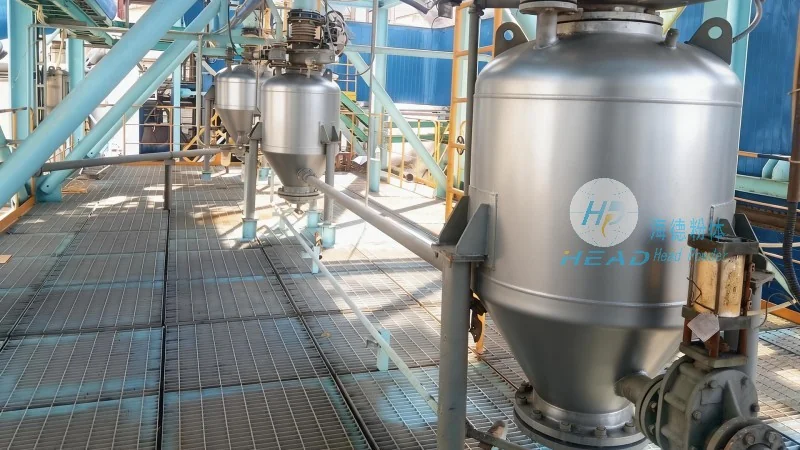
Introduction to Salt Material Conveying Lines
A salt material conveying line, also known as a salt conveyor system, is a specialized piece of industrial equipment designed to transport bulk salt from one location to another within a processing facility or between different stages of production. These systems are integral to the salt industry, supporting operations in salt mining, processing, and distribution. The design of a salt conveying line must account for the unique physical and chemical properties of salt, such as its granular structure, moisture content, and potential for corrosion, to ensure reliable and efficient operation.
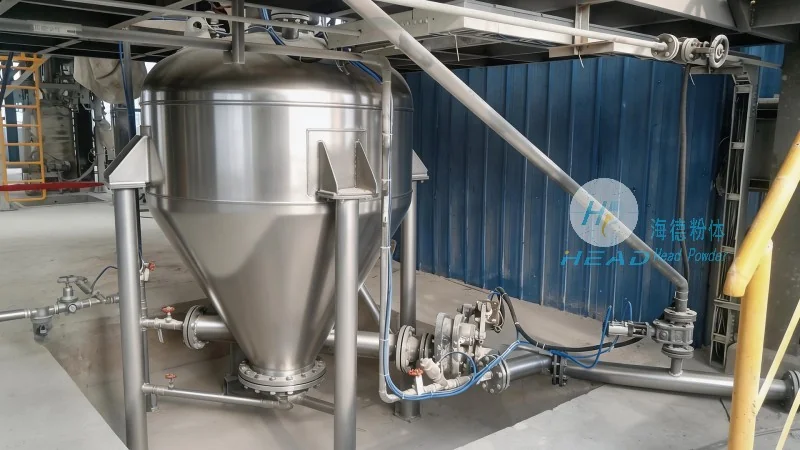
Key Components of a Salt Conveying Line
The core components of a salt material conveying line typically include the following elements:
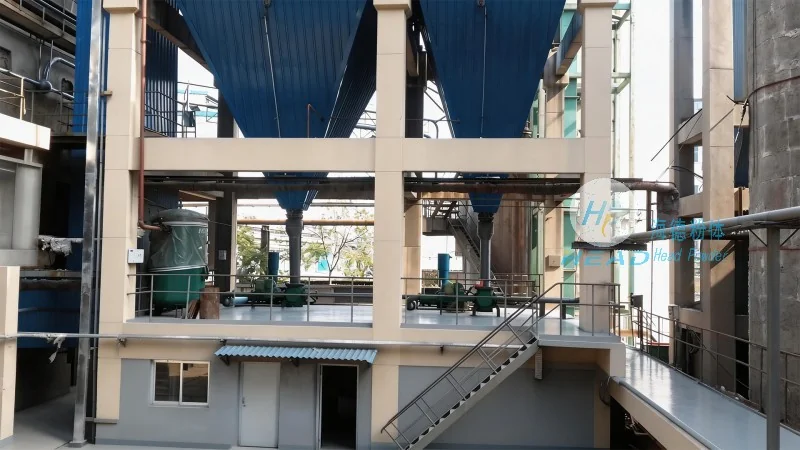
- Conveyor Belt: The primary component for transporting salt. The belt is usually made of durable materials like rubber or PVC, which can withstand the abrasive nature of salt particles and resist corrosion. The belt is often reinforced with steel cords or fabric to enhance strength and prevent tearing under heavy loads. The thickness of the belt is determined by the expected load and the distance to be covered, ensuring it can handle the weight of salt without excessive stretching or wear.
- Drive System: This includes motors, gearboxes, and pulleys that provide the necessary power to move the conveyor belt. The drive system is designed to handle the load of salt and maintain consistent speed, ensuring smooth material flow. Modern systems may use variable frequency drives (VFDs) to adjust speed dynamically based on the load, improving energy efficiency and operational flexibility.
- Loading and Unloading Hoppers: These are containers or chutes that feed salt onto the conveyor belt at the loading point and discharge it at the receiving point. The design of these hoppers is critical to prevent material spillage and ensure uniform feeding. They are often equipped with feeders, such as screw conveyors or vibratory feeders, to control the flow rate and prevent overloading the conveyor belt.
- Support Structure: A robust frame or structure that supports the conveyor belt and other components. This structure must be stable and capable of withstanding the weight of the salt and the equipment itself. It is typically made of steel and designed to handle the dynamic loads during operation.
- Control System: This includes sensors, control panels, and automation devices that monitor and regulate the operation of the conveying line. The control system ensures that the conveyor operates safely and efficiently, adjusting speed or stopping in case of blockages or other issues. Sensors such as photoelectric sensors or load cells may be used to detect the presence of salt and monitor the system's performance.
Design Principles for Salt Conveying Lines
The design of a salt material conveying line is guided by several key principles to optimize performance, durability, and safety. These principles include: