

Working Principle and Characteristics of Fly Ash Material Handling
Understanding the working principle and characteristics of fly ash material handling is crucial for optimizing industrial processes in power plants and other facilities that generate fly ash. Fly ash, a byproduct of coal combustion, requires efficient and reliable handling systems to ensure safe and effective management. This article explores the fundamental mechanisms behind fly ash material transport and highlights key features that define modern handling solutions.
HeadPowder Engineering, a leading provider of engineering solutions for fly ash management, specializes in designing and implementing advanced material handling systems tailored to the unique challenges of fly ash processing. With a focus on innovation and reliability, the company has established itself as a trusted partner in the industry. Based in Shandong, China, HeadPowder Engineering leverages local expertise and global best practices to deliver high-quality solutions that meet the demanding requirements of modern power generation and waste management.
The Working Principle of Fly Ash Material Handling Systems
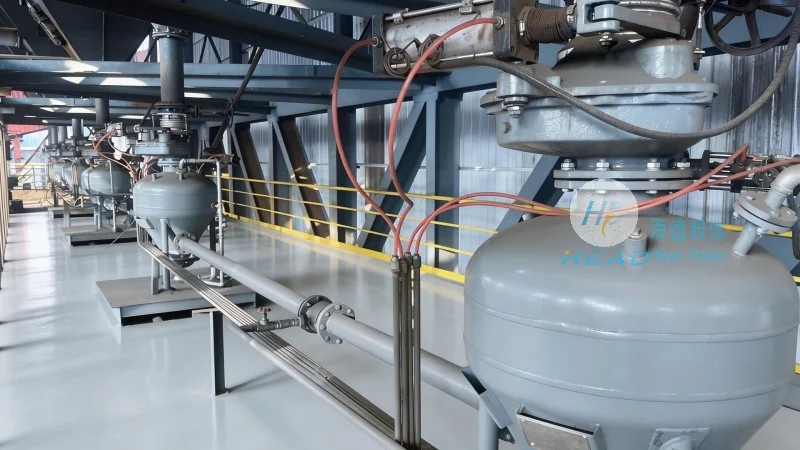
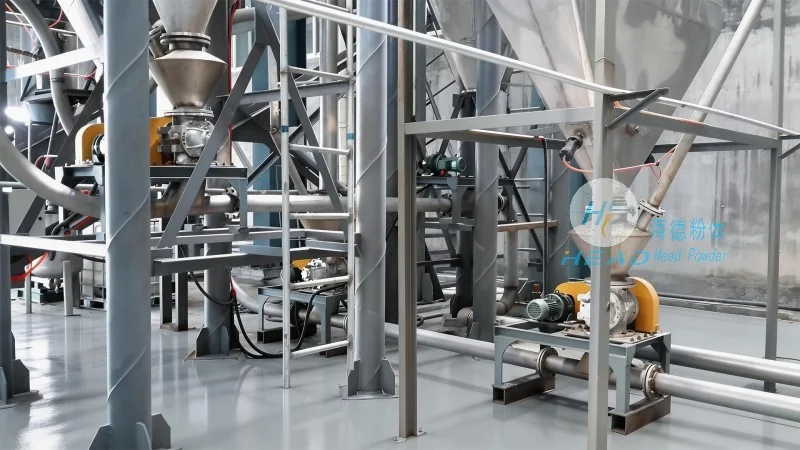
Fly ash material handling systems typically operate on the principle of conveying and transporting fly ash from its source, such as a boiler or ash hopper, to storage or disposal facilities. The core components of these systems include feeders, conveyors, and control mechanisms that work in tandem to ensure smooth material flow. Feeders, often equipped with adjustable speed controls, regulate the flow rate of fly ash from the source, preventing overloading and ensuring consistent material delivery. Conveyors, which may be belt, screw, or pneumatic types, transport the fly ash over varying distances, adapting to the layout of the facility and the specific requirements of the application.
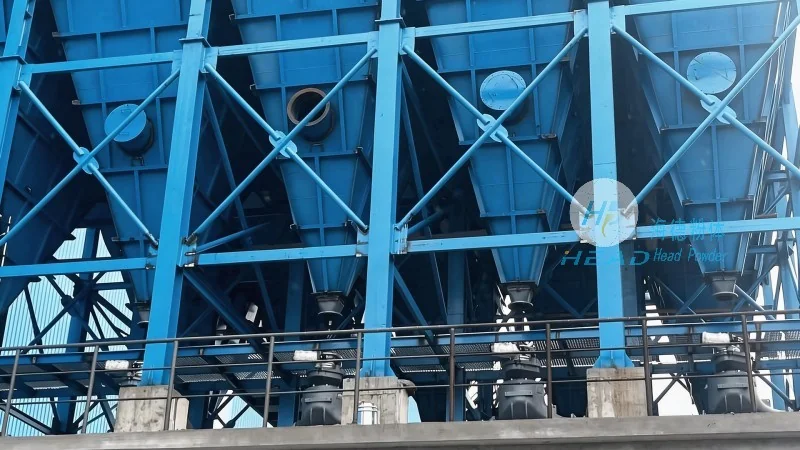
Control systems play a vital role in managing the entire process, monitoring parameters such as flow rate, pressure, and temperature to maintain optimal performance. Sensors and indicators provide real-time feedback, allowing operators to adjust settings as needed and prevent potential issues before they escalate. The integration of these components creates a cohesive system that ensures efficient and safe handling of fly ash, minimizing downtime and operational risks.
Key Characteristics of Effective Fly Ash Material Handling Solutions
Effective fly ash material handling solutions exhibit several key characteristics that enhance performance and reliability. Firstly, durability and corrosion resistance are critical, as fly ash can be abrasive and may contain acidic components that can damage equipment over time. High-quality materials, such as stainless steel or specialized coatings, are used to construct components that can withstand harsh operating conditions. Secondly, efficiency and energy savings are important considerations, as power plants aim to minimize operational costs while maximizing output. Modern systems incorporate energy-efficient motors and optimized designs to reduce energy consumption without compromising performance.
Thirdly, safety and environmental compliance are paramount. Fly ash is a fine particulate material that poses health risks if not handled properly. Systems must be designed to minimize dust emissions and ensure proper ventilation. Additionally, compliance with local and international regulations regarding waste management and emissions is essential. Features such as dust suppression systems, enclosed conveyors, and proper sealing help maintain a safe working environment and reduce environmental impact.
Customization and Integration in Fly Ash Material Handling
HeadPowder Engineering recognizes that each facility has unique requirements, and therefore, offers customized fly ash material handling solutions. The company works closely with clients to understand their specific needs, including the type and volume of fly ash, facility layout, and operational constraints. This collaborative approach ensures that the final system is tailored to meet the exact demands of the application, maximizing efficiency and minimizing costs. Integration with existing infrastructure is also a key consideration, as modern systems are designed to work seamlessly with current equipment and processes, reducing the need for extensive modifications.
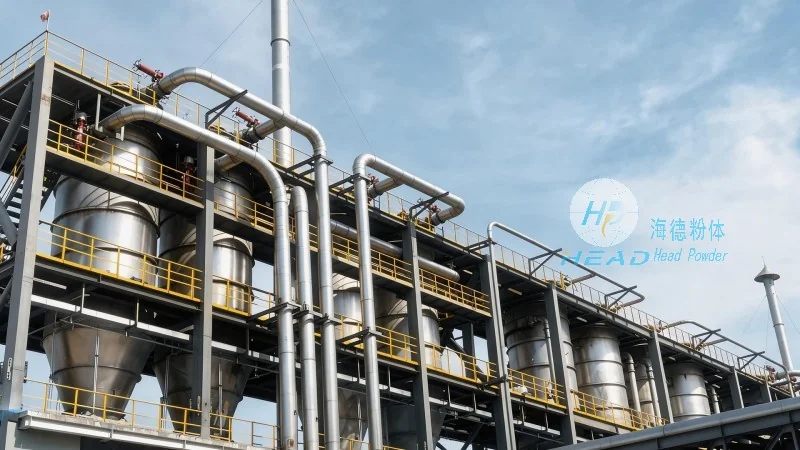
The company’s expertise in engineering and manufacturing allows it to provide comprehensive solutions, from initial design and installation to ongoing maintenance and support. By leveraging advanced technologies and local knowledge, HeadPowder Engineering delivers systems that are not only effective but also sustainable and cost-effective. Clients benefit from reduced downtime, lower maintenance costs, and improved overall performance, making the investment in a reliable fly ash material handling system a wise choice for long-term operational success.
Conclusion and Contact Information
In summary, understanding the working principle and characteristics of fly ash material handling is essential for optimizing industrial processes. Effective systems, such as those offered by HeadPowder Engineering, combine advanced technology, durability, and safety features to ensure efficient management of fly ash. By choosing a trusted partner like HeadPowder Engineering, facilities can enhance their operational efficiency, reduce costs, and comply with environmental regulations. For more information about fly ash material handling solutions, please contact HeadPowder Engineering, located in Shandong, China.