

Working Principle and Features of Borax Granule Material Handling
Shandong HeadPowder Engineering Co., Ltd., a leading manufacturer based in Shandong, China, specializes in providing advanced material handling solutions for various industrial applications. The company focuses on optimizing the transportation of bulk materials, including borax granules, through innovative engineering and robust system design.
The Working Principle of Borax Granule Material Handling
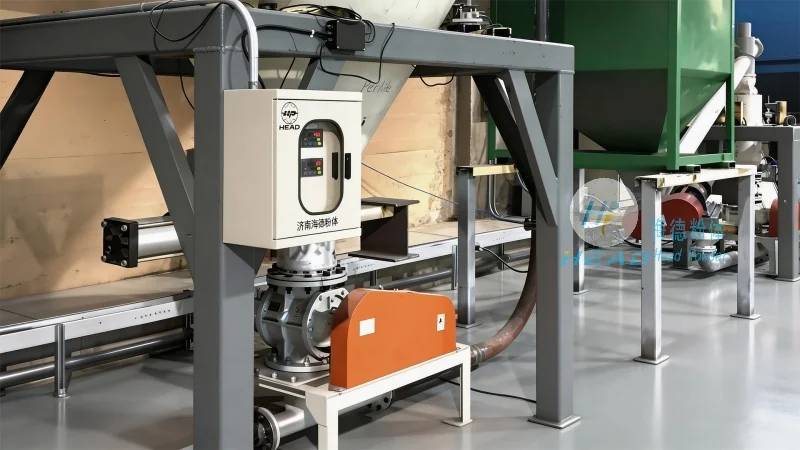
The working principle of borax granule material handling typically involves a series of integrated processes designed to ensure efficient and reliable movement of the material from storage to processing or packaging areas. At the core of this system is the use of specialized equipment such as belt conveyors, screw conveyors, and pneumatic transport systems, each tailored to handle the specific characteristics of borax granules, including their size, density, and flowability.
Key Steps in the Material Handling Process
One of the primary steps in the material handling process is the loading of borax granules from storage silos or hoppers into the initial conveying equipment. This is often achieved through gravity feed or mechanical assistance, ensuring a consistent flow rate that minimizes blockages and maintains system efficiency. The conveying equipment then transports the granules through a network of pipelines or conveyor belts, with possible intermediate processing steps like screening or sorting to remove impurities or oversized particles.
Control Systems and Flow Management
Key to the effectiveness of borax granule material handling is the control of material flow and the prevention of clogging. Advanced control systems, including variable speed drives and level sensors, are integrated into the system to adjust the flow rate based on real-time conditions, such as the material level in the hopper or the load on the conveyor. This dynamic adjustment helps maintain a steady throughput, reducing downtime and improving overall operational efficiency.
Handling Physical Properties of Borax Granules
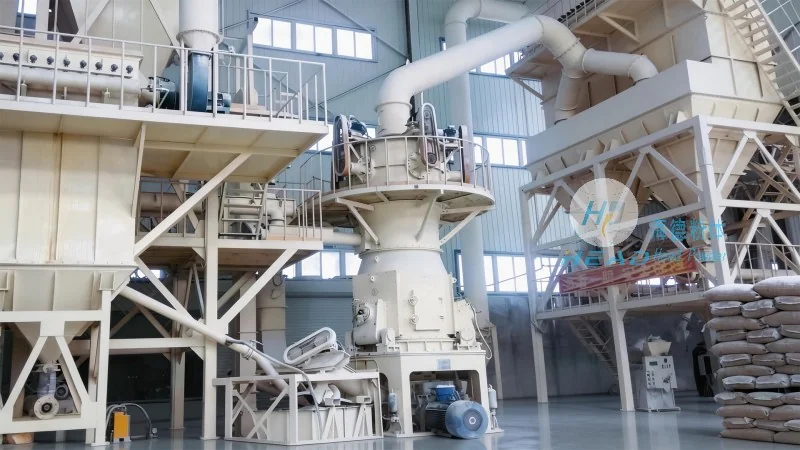
Another critical aspect is the handling of the material's physical properties. Borax granules are typically free-flowing but can become cohesive under certain conditions, such as high humidity or temperature fluctuations. To address this, the material handling system may incorporate features like vibration or air knives to maintain flowability and prevent agglomeration. These features are crucial for ensuring smooth operation and preventing material buildup in the conveying lines.
Durability and Corrosion Resistance
From an operational perspective, the working principle of borax granule material handling emphasizes reliability and durability. The equipment used is designed to withstand the corrosive and abrasive nature of borax, with materials like stainless steel or specialized coatings used in critical components to extend service life. This durability is essential for maintaining consistent performance in industrial environments where downtime can lead to significant production losses.
Key Features of Borax Granule Material Handling Systems
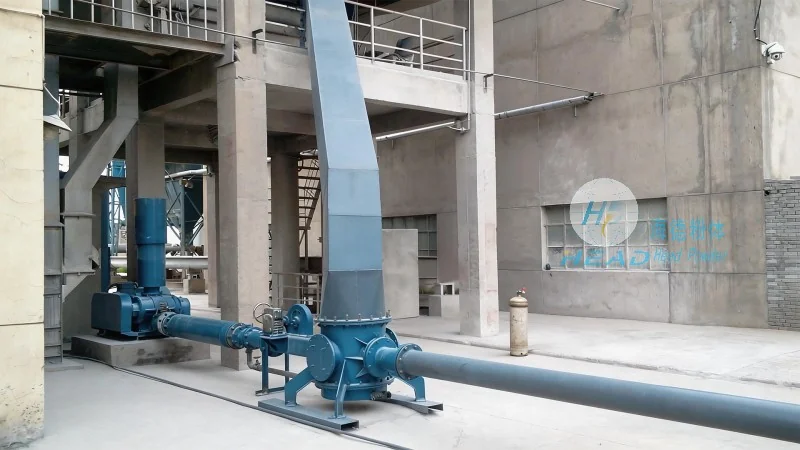
When considering the key features of borax granule material handling systems, several factors stand out as advantages. First, the systems are designed for high throughput, capable of handling large volumes of granules with minimal energy consumption. This efficiency is achieved through optimized conveyor speeds and reduced friction in the system components. Second, the systems offer flexibility in handling different particle sizes and shapes, making them suitable for various applications, from bulk storage to precise dosing in manufacturing processes.
Precise Dosing and Control
Third, the systems provide excellent control over material flow, allowing for precise dosing and batching. This is particularly important in industries where borax is used as a raw material, such as in glass manufacturing, detergents, or pharmaceuticals, where consistent quality and dosage are critical. The ability to adjust the flow rate in real-time ensures that the final product meets strict specifications, reducing waste and improving product quality.
Low Maintenance and Modular Design
Fourth, the systems are designed for low maintenance and easy operation. The use of robust components and automated control systems minimizes the need for frequent manual intervention, reducing labor costs and improving overall system reliability. Additionally, the modular design of many material handling systems allows for easy upgrades or modifications as production needs change, providing long-term value to the user.