

Working Principles and Features of Polyethylene Material Handling
Polyethylene material handling is a critical process in various industrial sectors, involving the efficient movement and management of polyethylene materials from production to end-use applications. This article explores the working principles and distinctive features of polyethylene material handling systems, providing insights into how these systems operate and their benefits in industrial operations.
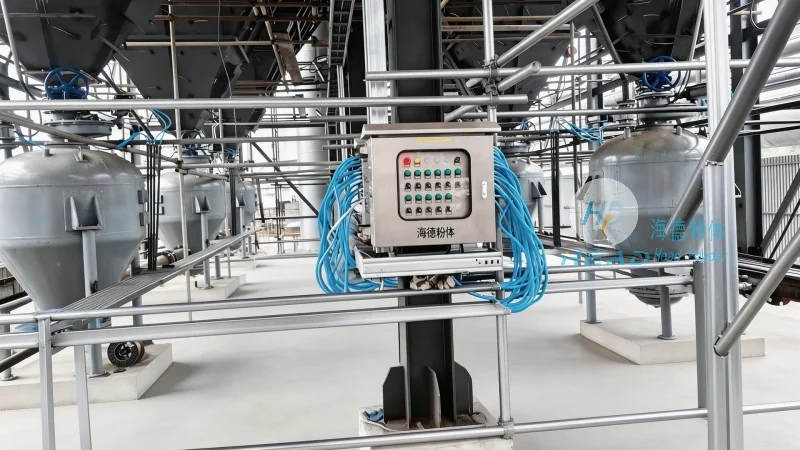
HeadPowder, a leading manufacturer in the field, specializes in developing advanced material handling solutions tailored to the unique needs of polyethylene processing. With a strong presence in Shandong, China, the company leverages years of expertise to deliver reliable and efficient systems for polyethylene material transport.
Working Principles of Polyethylene Material Handling
The working principles of polyethylene material handling typically revolve around several core mechanisms designed to ensure smooth and safe material movement. These systems often incorporate conveyor belts, pneumatic transport equipment, and automated sorting mechanisms to handle polyethylene pellets, granules, or sheets. The process begins with material feeding, where polyethylene raw materials are loaded into the system. From there, the material is transported through a series of stages, including mixing, drying, and conveying, to reach the processing or packaging stage.
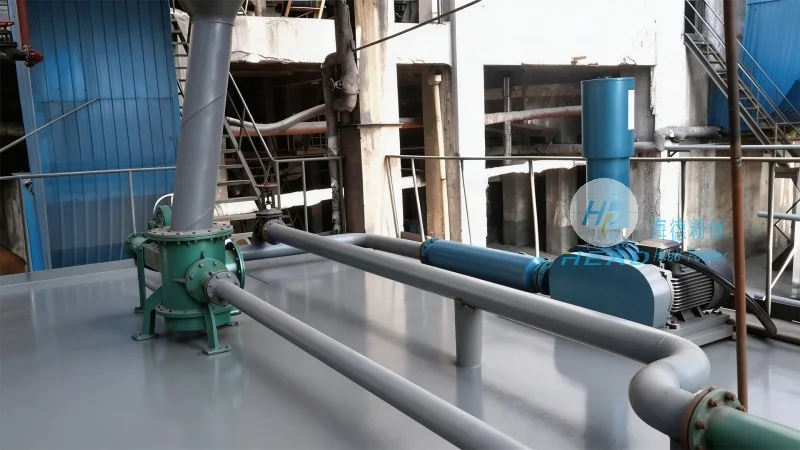
Conveyor systems are a fundamental component of polyethylene material handling. These systems use rollers or belts to move materials horizontally or vertically, depending on the layout of the facility. Pneumatic conveying, another common method, utilizes air pressure to transport polyethylene particles through pipelines, offering flexibility in system design and material flow control. Automated sorting and screening equipment further enhance the efficiency of polyethylene material handling by separating different grades or contaminants, ensuring only high-quality materials proceed to the next stage.
Key Features of Polyethylene Material Handling
Key features of polyethylene material handling systems include high efficiency, durability, and adaptability. The systems are engineered to handle the specific properties of polyethylene, such as its lightweight, flexible, and non-porous nature, which can affect material flow and handling. Advanced control systems allow for real-time monitoring and adjustment of material flow rates, ensuring optimal performance under varying production conditions. Additionally, the materials used in the construction of these systems, such as stainless steel and corrosion-resistant components, are chosen to withstand the chemical and thermal properties of polyethylene, extending the lifespan of the equipment.
Application Scenarios and Advantages
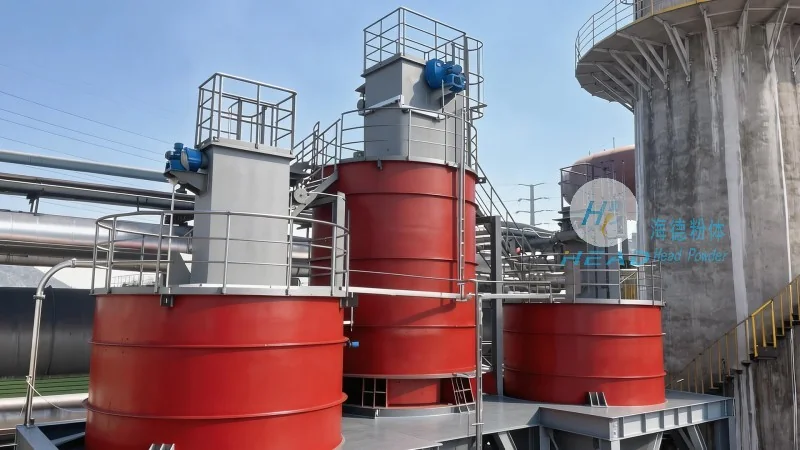
In industrial applications, polyethylene material handling systems are widely used in plastic manufacturing, packaging, and recycling industries. The advantages of these systems include reduced labor costs, minimized material loss, and improved safety by automating the handling process. For example, in plastic manufacturing plants, polyethylene material handling systems streamline the production of plastic products by efficiently transporting raw materials to extrusion or molding machines. In packaging facilities, these systems ensure that polyethylene films and sheets are handled with precision, reducing the risk of damage during processing.
Technical Specifications and Customization Options
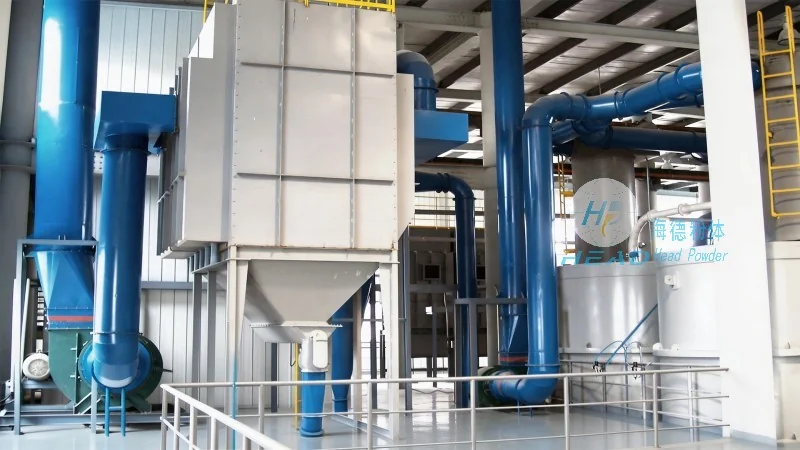
Technical specifications of polyethylene material handling systems vary based on the specific application and scale of operation. HeadPowder offers customized solutions that can be tailored to handle different types of polyethylene, including low-density polyethylene (LDPE), high-density polyethylene (HDPE), and linear low-density polyethylene (LLDPE). The systems can be designed to accommodate varying material volumes, with some models capable of handling up to several tons per hour. Additionally, the company provides maintenance and support services to ensure the long-term reliability of the equipment.
Conclusion
In conclusion, polyethylene material handling systems play a vital role in modern industrial operations, combining advanced technology with efficient design to optimize material flow and processing. By understanding the working principles and features of these systems, industries can enhance productivity, reduce costs, and improve the overall quality of their polyethylene products. HeadPowder continues to lead in the development of innovative material handling solutions, supporting the growth and efficiency of the polyethylene industry.