

Working Principle and Characteristics of Talc Powder Material Handling
Efficient material handling is crucial in industrial processes, especially when dealing with powders like talc. The proper management of talc powder from production to storage or further processing requires specialized equipment and techniques. This article explores the working principle and key characteristics of talc powder material handling systems, highlighting how they ensure safety, efficiency, and consistency in operations. The information is provided by Shandong HeadPowder Engineering Co., Ltd., a leading manufacturer of material handling solutions based in Shandong, China.
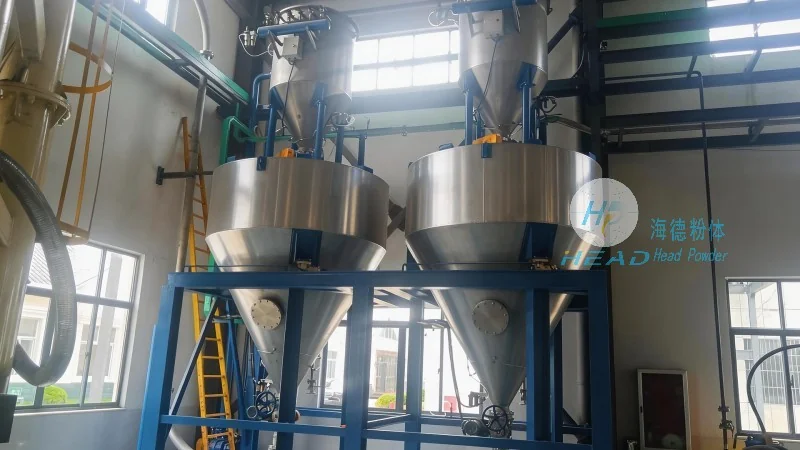
Overview of Talc Powder Material Handling
Talc powder, known for its softness and excellent lubricating properties, is widely used in various industries including cosmetics, pharmaceuticals, and ceramics. Due to its fine particle size and light weight, talc powder presents unique challenges during transportation and storage. Traditional methods like manual handling or simple conveyor belts may not be sufficient to maintain product quality and operational safety. Therefore, specialized material handling systems are essential to address these challenges effectively.
Working Principle of Talc Powder Material Handling Systems
The core of talc powder material handling lies in the integration of advanced machinery designed to handle fine powders. The process typically begins with the collection of talc powder from production lines or storage silos. This is often achieved using vacuum loaders or pneumatic conveying systems that can safely and efficiently transfer the powder without causing dust dispersion or product contamination. The working principle involves the use of air pressure or suction to move the powder through pipelines, ensuring minimal particle breakage and maintaining the powder's original properties.
Key components of the system include feeders, which regulate the flow of talc powder into the conveying line, and filters or cyclones that separate any larger particles or impurities. The conveying system may use positive or negative pressure depending on the application, with positive pressure systems being more common for long-distance or high-volume transport. The entire process is controlled by automated systems that monitor flow rates, pressure, and particle size distribution, ensuring consistent performance and preventing system failures.
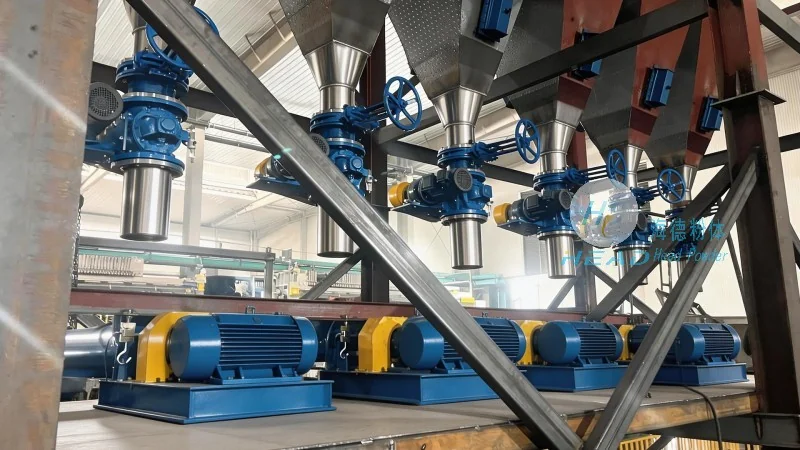
Key Characteristics of Talc Powder Material Handling
Several distinct characteristics define effective talc powder material handling systems. Firstly, dust control is paramount due to the fine nature of talc powder, which can cause respiratory issues and environmental contamination if not managed properly. Advanced systems incorporate sealed enclosures, dust collection systems, and explosion-proof designs to mitigate these risks. Secondly, the equipment must be designed to prevent product agglomeration or caking, as talc powder can stick together under certain conditions, leading to blockages and reduced efficiency.
Another critical characteristic is the ability to handle varying particle sizes and moisture content without compromising the powder's quality. This requires flexible and adjustable equipment, such as variable-speed conveyors and moisture sensors, which can adapt to different production batches. Additionally, the systems must be easy to clean and maintain to prevent cross-contamination and ensure long-term operational reliability. The use of stainless steel or corrosion-resistant materials in the construction of handling equipment further enhances durability and hygiene, meeting stringent industry standards.
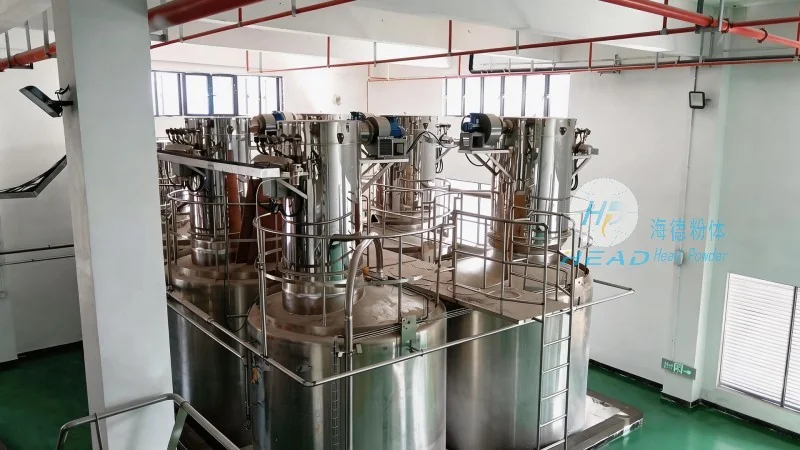
Operational Benefits and Applications
Implementing specialized talc powder material handling systems offers significant operational benefits. By reducing manual labor and automating the transport process, companies can improve productivity and reduce labor costs. The consistent flow of powder also minimizes downtime caused by blockages or equipment failures, leading to higher overall equipment effectiveness (OEE). Moreover, the controlled environment of these systems helps maintain the talc powder's purity and quality, which is essential for applications where even minor impurities can affect product performance.
These systems are widely used in talc processing plants, where they connect various stages of production, from grinding and classification to packaging and storage. In the cosmetics industry, for example, talc powder is often handled in clean rooms with advanced filtration systems to ensure it meets the high standards required for consumer products. Similarly, in the pharmaceutical sector, the systems must comply with Good Manufacturing Practices (GMP) to prevent contamination and ensure product safety.
Conclusion
In summary, the working principle of talc powder material handling systems revolves around the use of advanced pneumatic or mechanical equipment to safely and efficiently transport fine powders. The key characteristics include effective dust control, prevention of agglomeration, adaptability to varying particle sizes, and easy maintenance. These features collectively contribute to improved operational efficiency, product quality, and safety in industrial applications. For companies dealing with talc powder, investing in specialized material handling solutions is essential to meet the demands of modern production and maintain a competitive edge in the market. Shandong HeadPowder Engineering Co., Ltd. specializes in providing tailored material handling solutions to meet the unique needs of talc powder processing industries.