

Working Principle and Characteristics of Quicklime Powder Material Handling
Quicklime powder, also known as calcium oxide, is a widely used industrial material in various sectors including construction, agriculture, and chemical manufacturing. The efficient handling and transportation of quicklime powder are critical for maintaining operational efficiency and ensuring product quality. This article explores the working principle and key characteristics of quicklime powder material handling systems, providing insights into the technical aspects and practical applications.
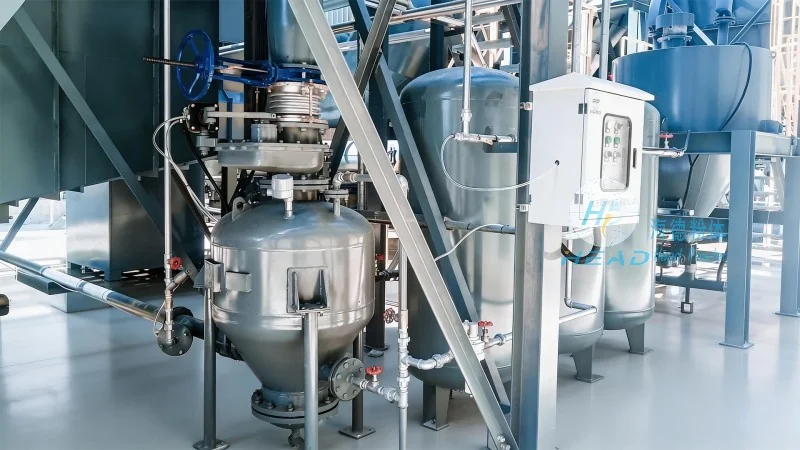
Working Principle of Quicklime Powder Material Transport
The material handling process for quicklime powder typically involves several stages, each designed to ensure safe and efficient movement from storage to processing or end-use applications. The primary working principle revolves around controlling the flow of the powder through a series of equipment, including silos, conveyors, and feeding mechanisms. These systems are engineered to manage the unique properties of quicklime powder, such as its high reactivity and potential for dust generation. The process begins with the storage of quicklime powder in bulk storage silos, where the material is kept under controlled conditions to prevent caking or degradation. From the silos, the powder is transferred to conveyor systems, which may include screw conveyors, bucket elevators, or pneumatic conveying lines, depending on the specific requirements of the application. The choice of conveyor type is critical as it directly impacts the efficiency and safety of the material transport. For example, screw conveyors are commonly used for horizontal or slight incline transport due to their ability to handle dry powders without the need for additional air or energy. Bucket elevators, on the other hand, are ideal for vertical transport, providing a reliable means of moving quicklime powder from lower to higher levels in a facility. Pneumatic conveying systems, which use air pressure to transport the powder, offer flexibility in routing and can handle both horizontal and vertical distances, though they require careful management of air flow and pressure to prevent material degradation or blockages.
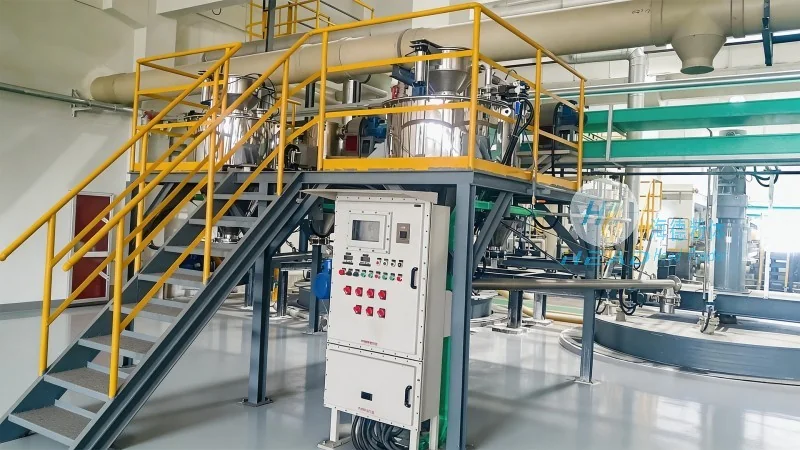
Key Characteristics of Quicklime Powder Handling Systems
Quicklime powder handling systems exhibit several distinct characteristics that set them apart from handling other bulk materials. One of the most significant characteristics is the need for dust control measures, as quicklime powder is highly fine and can generate significant dust during handling. This necessitates the use of enclosed systems, such as dust-tight conveyors and silos, to minimize exposure to airborne particles and ensure compliance with occupational health and safety regulations. Another key characteristic is the material's reactivity with moisture, which can cause the powder to clump or degrade if exposed to humidity. Therefore, handling systems are designed to maintain a dry environment, often incorporating moisture-proof seals and ventilation systems to prevent moisture ingress. Additionally, the high density and flowability of quicklime powder require specialized equipment to ensure smooth and consistent flow. For instance, the use of vibrators or air knives in conveyor systems can help prevent material bridging or buildup, which are common issues in handling cohesive powders. The characteristics of quicklime powder also influence the choice of materials for the handling equipment. Components such as hoppers, chutes, and conveyor belts are typically made from corrosion-resistant materials like stainless steel or high-density polyethylene to withstand the chemical properties of the powder and prevent degradation over time. Furthermore, the systems are designed to minimize friction and wear, as quicklime powder can be abrasive and cause premature equipment failure if not properly managed.
Technical Aspects and Operational Efficiency
The technical aspects of quicklime powder material handling systems focus on optimizing operational efficiency while ensuring safety and product integrity. One of the primary technical considerations is the control of material flow rates, which is crucial for maintaining consistent production rates and preventing overloading or underloading of downstream processes. Flow control devices, such as rotary valves or gate valves, are commonly used to regulate the amount of quicklime powder released from the storage silos to the conveyor systems. These devices are often equipped with sensors and automation controls to adjust flow rates in real-time based on production demands. Another technical aspect is the integration of monitoring and maintenance systems to ensure the longevity and reliability of the equipment. For example, temperature sensors and pressure gauges are installed in the silos and conveyors to detect any abnormalities, such as overheating or pressure build-up, which could indicate blockages or equipment malfunctions. Regular maintenance schedules are also critical, as quicklime powder can accumulate in equipment components and cause wear or clogging over time. The use of cleaning mechanisms, such as brush or air blowers, helps maintain the efficiency of the handling systems and prevent downtime. Additionally, the energy efficiency of the systems is a key consideration, as the operation of conveyors and pneumatic lines consumes significant power. Modern handling systems incorporate energy-saving features, such as variable speed drives and optimized air flow, to reduce energy consumption while maintaining performance. This not only lowers operational costs but also aligns with sustainability goals in industrial operations.
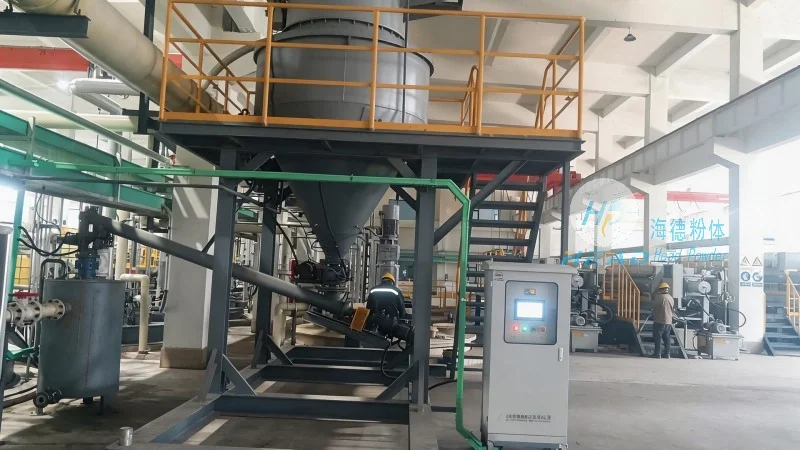
Application Scenarios and Industry Relevance
Quicklime powder handling systems are widely used in various industrial applications, reflecting the versatility and importance of quicklime in modern manufacturing. In the construction industry, quicklime is used as a component in cement production and as a binder in mortar and plaster. The handling systems in this sector are designed to feed quicklime powder into mixing plants and production lines, ensuring a consistent supply of material for concrete and other building materials. The chemical industry also relies heavily on quicklime powder for processes such as flue gas desulfurization, where it is used to neutralize acidic emissions. The handling systems in these applications must be capable of handling large volumes of quicklime powder and integrating with other chemical processing equipment. In agriculture, quicklime is used as a soil conditioner to adjust pH levels and improve soil fertility. The handling systems for agricultural applications are typically smaller and more portable, designed to transport quicklime powder from storage to application sites, such as farms or orchards. The characteristics of quicklime powder handling systems are also relevant in the environmental sector, where quicklime is used for waste treatment and water purification. These systems must be robust and reliable to handle the demands of industrial waste management and ensure the effective treatment of pollutants. Overall, the application scenarios of quicklime powder handling systems highlight their critical role in supporting various industrial processes and contributing to the efficiency and sustainability of modern operations.