

Working Principle and Features of Tonne Bag Material Handling Equipment
HeadPowder, a leading manufacturer based in Shandong, China, specializes in the design and production of efficient tonne bag material handling equipment. This equipment is engineered to streamline the process of transporting and handling bulk materials in various industrial applications. Understanding the working principle and key features of such equipment is crucial for optimizing material flow and enhancing operational efficiency in industrial settings.
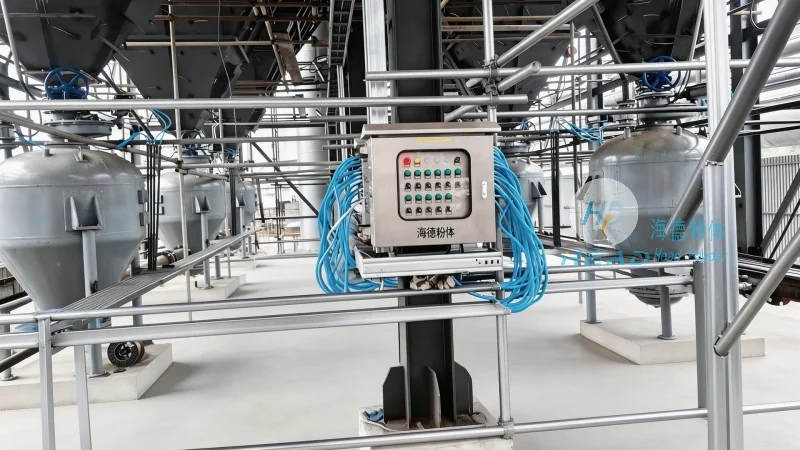
The core working principle of tonne bag material handling equipment revolves around the automated transfer of bulk materials from one location to another. Typically, these systems are designed to handle large quantities of materials, often in the form of filled tonne bags, which are then transported to processing or storage areas. The equipment operates by integrating several components, including feeding mechanisms, conveyor systems, and control units, to ensure smooth and continuous material movement.
One of the primary functions of this equipment is to facilitate the loading and unloading of tonne bags. The system may include a hopper or a loading platform where the bags are placed, followed by an automated conveyor that moves the bags to the desired destination. This process eliminates the need for manual handling, reducing labor costs and minimizing the risk of workplace injuries associated with heavy lifting and material transport.
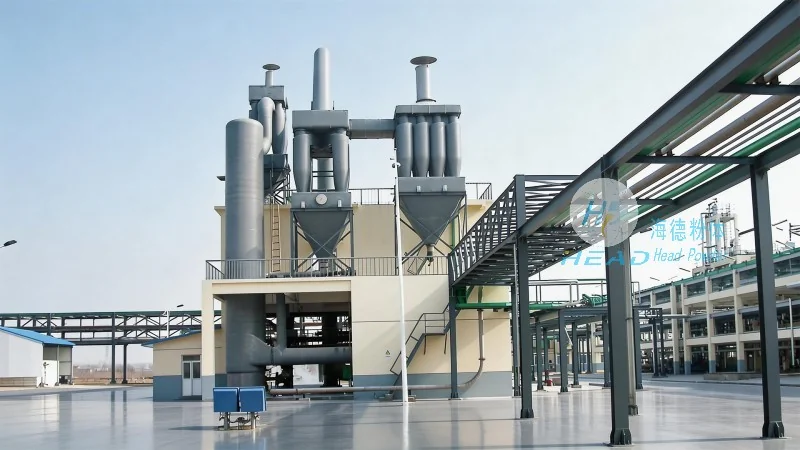
The working principle also involves precise control mechanisms to regulate the speed and direction of the conveyor. Advanced control systems, often equipped with sensors and feedback loops, ensure that the equipment operates efficiently and safely. These systems can adjust the conveyor speed based on the load, preventing overloading and maintaining consistent material flow. Additionally, safety features such as emergency stop buttons and overload protection are integrated to enhance operational safety.
Key features of tonne bag material handling equipment include high load capacity, durability, and adaptability to different material types. The equipment is constructed from robust materials, such as stainless steel or heavy-duty plastic, to withstand the rigors of continuous operation in industrial environments. This durability ensures long-term reliability and reduces maintenance costs over the equipment's lifespan.
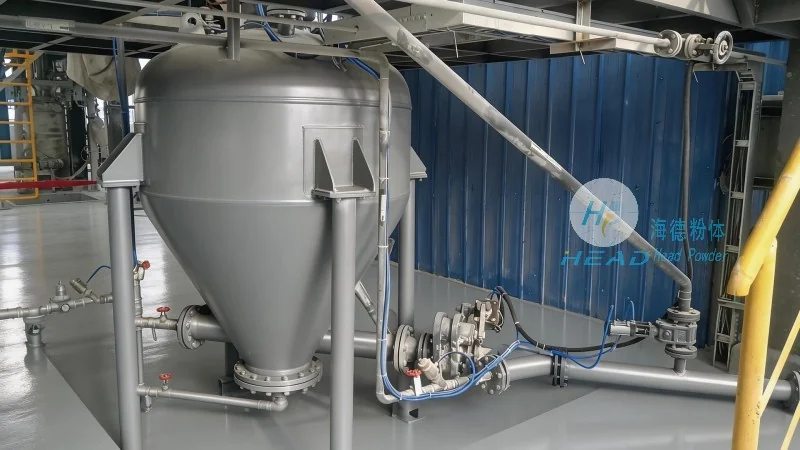
Another notable feature is the equipment's ability to handle a wide range of material densities and bag sizes. This adaptability makes it suitable for various industries, including mining, construction, and food processing, where different bulk materials are processed. The system can be customized to accommodate specific bag dimensions and material characteristics, ensuring optimal performance for each application.
Efficiency is a critical feature of tonne bag material handling equipment. By automating the material handling process, these systems significantly reduce the time required for material transport, allowing for faster production cycles and increased throughput. The integration of advanced control technologies further enhances operational efficiency by minimizing downtime and maximizing productivity.
Reliability is another essential characteristic of this equipment. With proper maintenance and regular inspections, tonne bag material handling systems can operate continuously for extended periods without significant performance degradation. This reliability is crucial for maintaining consistent production levels and meeting tight delivery schedules in industrial operations.
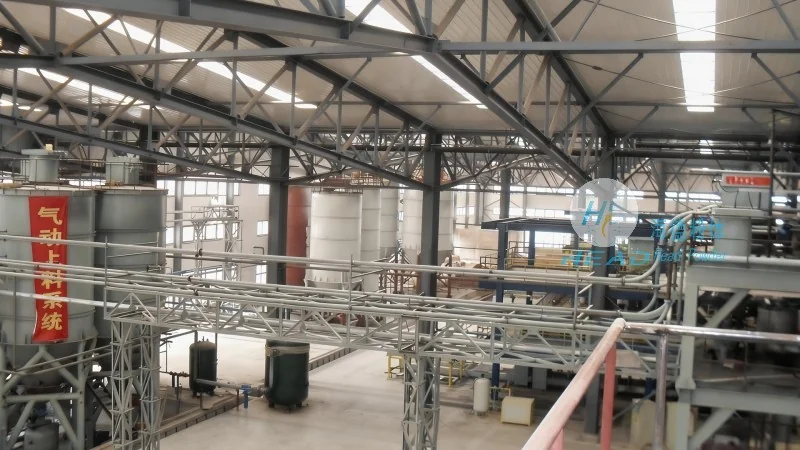
The equipment also offers flexibility in terms of integration with other industrial systems. It can be connected to existing material handling infrastructure, such as silos or storage tanks, to create a comprehensive material flow management system. This integration allows for seamless coordination between different stages of the production process, improving overall operational efficiency.
In conclusion, tonne bag material handling equipment from HeadPowder is designed to provide efficient, reliable, and safe material transport solutions for industrial applications. By understanding its working principle and key features, businesses can optimize their material handling processes, reduce operational costs, and enhance overall productivity. The equipment's adaptability and durability make it a valuable asset for various industries, contributing to improved operational performance and competitiveness.