

Working Principle and Features of Automatic Quantitative Material Handling Equipment
Automatic quantitative material handling equipment, commonly known as automated dosing and conveying systems, plays a crucial role in modern industrial production processes. These systems are designed to precisely measure, dispense, and transport materials with high accuracy and efficiency. The technology behind such equipment ensures consistent quality and productivity, making it indispensable in various industries including pharmaceuticals, food processing, chemicals, and manufacturing. This article will delve into the working principle and key features of these advanced systems, providing insights into how they enhance operational efficiency and reliability.
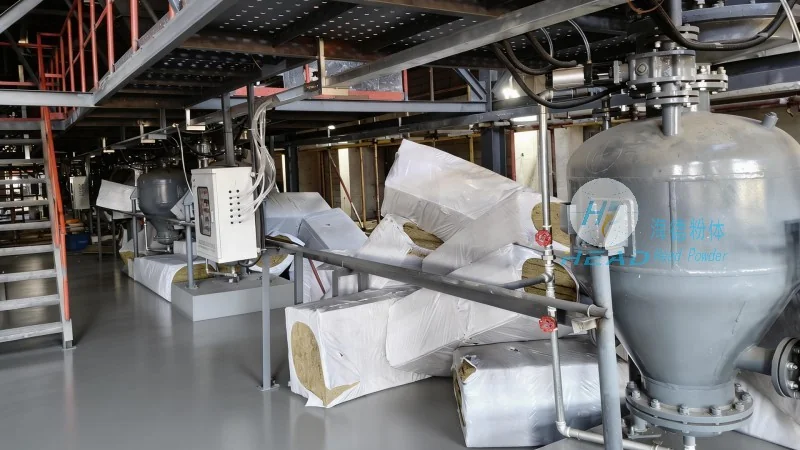
Company Overview: Shandong HeadPowder Engineering Co., Ltd.
HeadPowder, the manufacturer behind these sophisticated material handling solutions, is a leading company based in Shandong, China. With a strong commitment to innovation and quality, HeadPowder specializes in the design, development, and production of automated dosing and conveying equipment. The company's headquarters is located in Shandong, where it leverages advanced manufacturing capabilities and technical expertise to deliver high-performance solutions tailored to diverse industrial needs. HeadPowder's products are recognized for their precision, durability, and adaptability, serving clients across multiple sectors and contributing to their operational excellence.
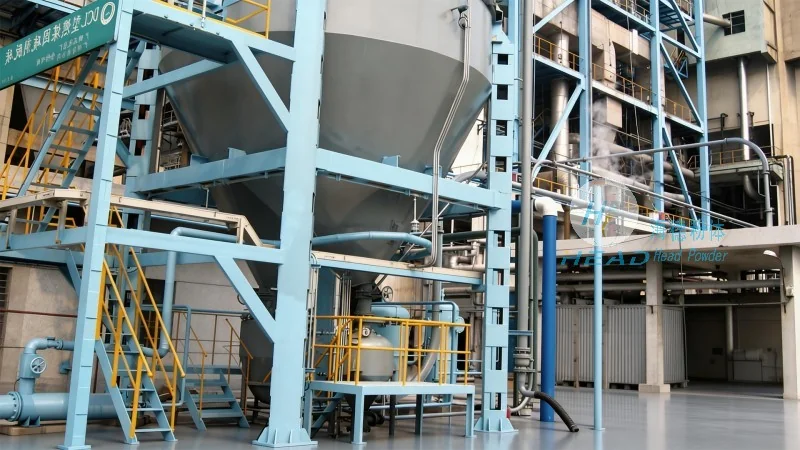
The Working Principle of Automatic Quantitative Material Handling Equipment
The core of automatic quantitative material handling equipment lies in its precise measurement and control mechanisms. These systems typically operate through a combination of sensors, actuators, and control systems that work in tandem to achieve accurate material dispensing and transportation. The process begins with the material being fed into the system, where it is then processed by a dosing unit that measures the required quantity. This dosing unit may employ various technologies such as gravimetric, volumetric, or volumetric with weight verification, depending on the material characteristics and application requirements. Once the correct amount is determined, the material is transferred to the conveyor system, which moves it to the designated destination with minimal error. The entire operation is monitored and controlled by a programmable logic controller (PLC) or a similar system, ensuring real-time adjustments and maintaining consistent performance. The integration of advanced sensors, such as load cells or flow meters, allows for continuous feedback, enabling the system to adapt to variations in material flow and maintain precision even under dynamic conditions.
Key Features of Automatic Quantitative Material Handling Equipment
Automatic quantitative material handling equipment offers several distinct features that set it apart from traditional manual or semi-automated systems. One of the primary advantages is its high level of accuracy and repeatability. These systems can achieve measurement deviations of less than 0.1% in many cases, ensuring that each batch of material meets strict quality standards. This precision is particularly critical in industries like pharmaceuticals, where dosage accuracy directly impacts product safety and efficacy. Another notable feature is the system's efficiency and speed. Automated dosing and conveying processes significantly reduce the time required for material handling, allowing for faster production cycles and increased throughput. This efficiency is further enhanced by the ability to integrate multiple dosing units and conveyors into a single system, enabling simultaneous processing of different materials or batches. Additionally, these systems are designed for durability and reliability, with robust construction and minimal maintenance requirements. This ensures long-term operational stability and reduces downtime, contributing to overall cost savings for the end-user. The adaptability of the equipment is also a key feature, as it can be customized to accommodate various material types, container sizes, and production volumes. This flexibility allows HeadPowder's solutions to be tailored to the specific needs of each client, ensuring optimal performance in diverse industrial settings.
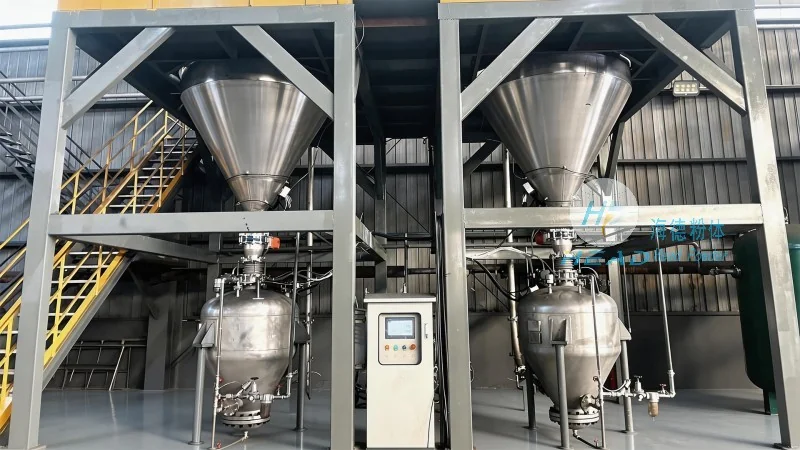
Conclusion and Advantages
Automatic quantitative material handling equipment, as exemplified by the solutions offered by Shandong HeadPowder Engineering Co., Ltd., represents a significant advancement in industrial material processing. By combining precise measurement technologies with efficient conveying systems, these devices enhance productivity, accuracy, and reliability in production processes. The features discussed, including high accuracy, operational efficiency, durability, and adaptability, make them essential tools for modern manufacturing. As industries continue to demand higher standards of quality and productivity, the role of such automated systems will only become more critical. HeadPowder's commitment to innovation and quality ensures that its products remain at the forefront of this technology, providing clients with reliable and effective solutions for their material handling needs.