

Working Principle and Features of PVC Material Handling Equipment
When it comes to the efficient and reliable transport of PVC materials in industrial settings, specialized equipment plays a crucial role. Understanding the working principle and key features of PVC material handling equipment is essential for optimizing production processes and ensuring safety. This article provides an in-depth look at how such equipment operates and the advantages it offers.
Working Principle of PVC Material Handling Equipment
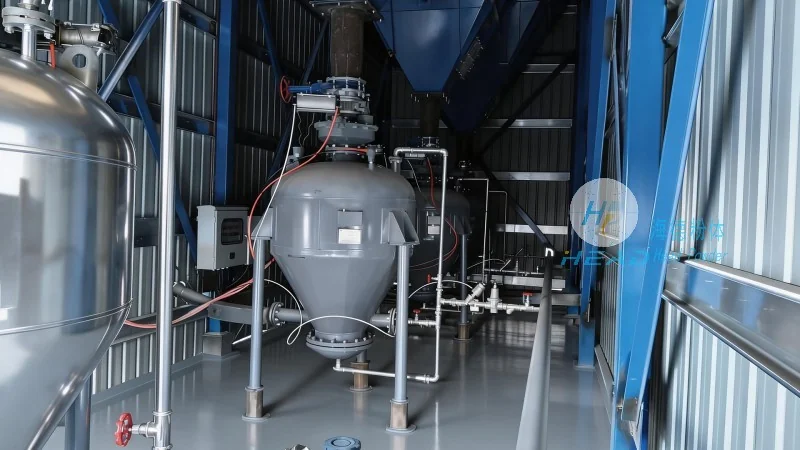
PVC material handling equipment is designed to transport plastic pellets, powders, or granules that are commonly used in manufacturing processes. The core working principle involves the use of mechanical systems to move these materials from one location to another within a production facility. Typically, these systems utilize components like conveyor belts, screw conveyors, or pneumatic transport lines to achieve the desired movement. The equipment operates by converting energy—often from electricity or compressed air—into motion, which then propels the PVC material through the system. For instance, a screw conveyor works by rotating a helical screw inside a tube, pushing the material forward as it turns. This mechanism ensures a continuous and controlled flow of PVC, preventing clogging and maintaining consistent speed. Additionally, many systems incorporate sensors and control mechanisms to adjust the speed or direction of the material flow based on real-time conditions, enhancing operational efficiency.
Key Features of PVC Material Handling Equipment
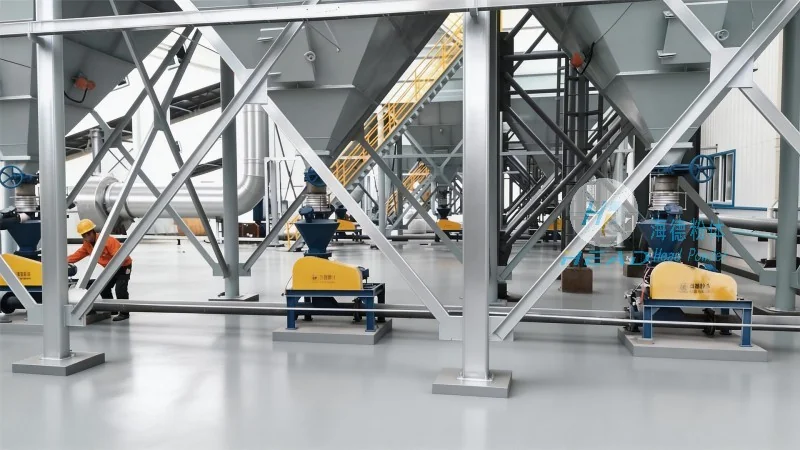
HeadPowder Engineering Co., Ltd., a leading manufacturer based in Shandong, China, offers a range of PVC material handling solutions that are distinguished by several key features. These features are tailored to meet the specific demands of industrial applications and enhance overall performance. One of the primary features is durability and resistance to chemical exposure. Since PVC materials can be abrasive or corrosive, the equipment is constructed from high-quality materials, such as stainless steel or specialized polymers, that can withstand the rigors of continuous use. This ensures long-term reliability and reduces maintenance costs over time. Another notable feature is the adaptability of the systems. Many models can be customized to accommodate different sizes and types of PVC materials, allowing for flexibility in various production scenarios. This adaptability is particularly valuable in industries where product specifications may change frequently. Furthermore, the equipment is designed with safety in mind. Features like emergency stop buttons, overload protection, and enclosed structures help minimize the risk of accidents and ensure compliance with safety regulations. The integration of advanced control systems also allows for remote monitoring and diagnostics, enabling proactive maintenance and reducing downtime.
Application-Specific Benefits and Operational Advantages
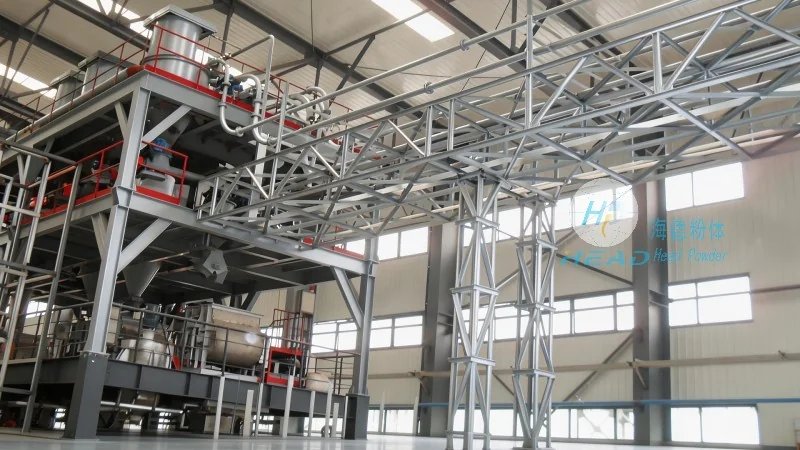
The application of PVC material handling equipment brings numerous benefits to industrial operations. By streamlining the movement of raw materials, these systems reduce labor costs and improve overall productivity. The consistent and controlled flow of materials also minimizes the risk of material loss or contamination, which is critical in maintaining product quality. Additionally, the energy-efficient design of many modern systems helps lower operational costs and align with sustainability goals. For example, some models utilize variable speed drives that adjust power consumption based on the load, resulting in significant energy savings. The compact design of certain equipment also allows for efficient use of space in production facilities, which is especially important in environments with limited floor area. Moreover, the reliability of these systems contributes to a stable production schedule, as they are less prone to breakdowns compared to manual handling methods. This reliability is further enhanced by the use of high-quality components and rigorous quality control processes implemented by manufacturers like HeadPowder Engineering Co., Ltd.
Conclusion
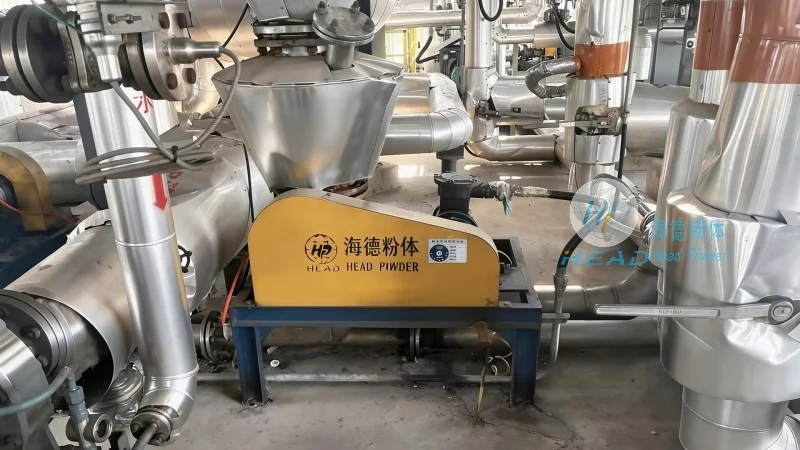
In conclusion, PVC material handling equipment operates through a combination of mechanical and control systems that ensure efficient transport of plastic materials. The key features offered by manufacturers like HeadPowder Engineering Co., Ltd. focus on durability, adaptability, and safety, making these systems suitable for a wide range of industrial applications. By understanding the working principle and advantages of such equipment, businesses can make informed decisions to optimize their production processes and enhance operational efficiency. The continuous advancements in technology and design further contribute to the effectiveness of these systems, ensuring they remain a vital component in modern manufacturing.