

Working Principle and Characteristics of Sand Powder Pneumatic Conveying
HeadPowder, a leading provider in the field of powder handling technology, specializes in the design and implementation of pneumatic conveying systems for various industrial applications. This article focuses on the working principle and key characteristics of sand powder pneumatic conveying, a critical process in material handling for industries dealing with granular materials like sand.
Introduction to Sand Powder Pneumatic Conveying
Sand powder pneumatic conveying is a method used to transport sand particles through a pipeline using compressed air or other gas as the conveying medium. This technology offers an efficient and flexible solution for moving sand from one location to another, eliminating the need for traditional mechanical conveyors that may suffer from blockages or wear and tear. The process is particularly advantageous in environments where dust control and hygiene are essential, such as in construction, foundries, and sand processing facilities.
Working Principle of Sand Powder Pneumatic Conveying
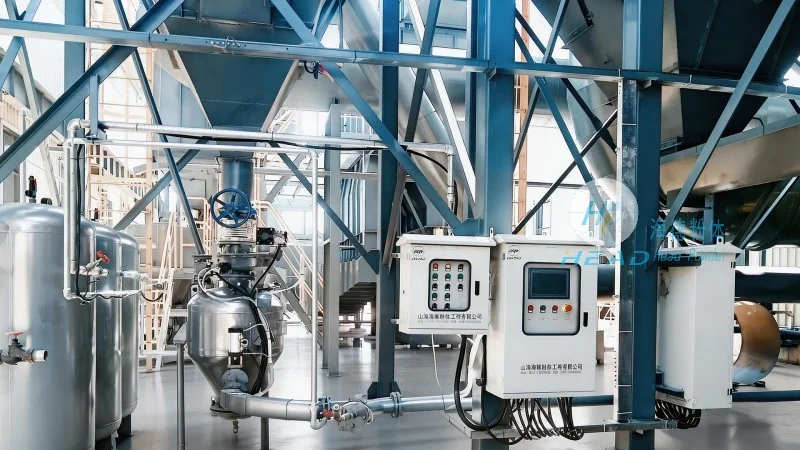
The core of sand powder pneumatic conveying lies in the interaction between the sand particles and the conveying gas. The process typically involves several key components and steps. First, the sand is introduced into a hopper or feeder, where it is fed into the conveying line. Then, a compressor or blower generates high-pressure air, which is introduced into the pipeline. As the air flows through the line, it creates a low-pressure zone that draws the sand particles into the stream. The sand particles are then carried along the pipeline by the moving gas, traveling to the destination point where the air is released and the sand is deposited.
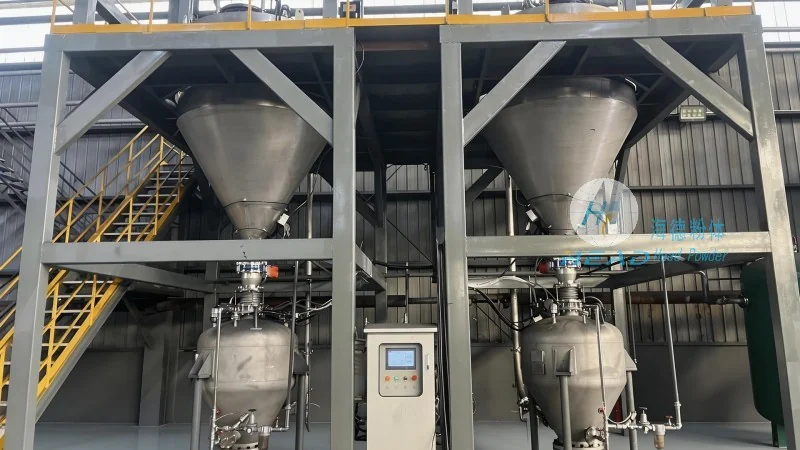
There are two main types of pneumatic conveying systems used for sand: dilute-phase and dense-phase. Dilute-phase systems operate at higher air velocities, typically transporting sand particles in a dispersed state, similar to a cloud of dust. This method is suitable for short to medium distances and when the sand is relatively dry. Dense-phase systems, on the other hand, operate at lower air velocities and higher gas-to-solid ratios, resulting in a more concentrated mixture of sand and air. This approach is ideal for longer distances and when the sand is more cohesive or contains moisture, as it reduces the risk of particle separation and blockages.
Key Characteristics of Sand Powder Pneumatic Conveying
Several important characteristics define the performance and suitability of sand powder pneumatic conveying systems. One of the primary advantages is the ability to handle a wide range of sand types, including fine, coarse, and mixed sand particles. The system can accommodate different particle sizes and shapes without requiring significant modifications to the equipment. Another key characteristic is the flexibility in system design, as the conveying lines can be configured in various configurations, such as straight, curved, or vertical, to suit the layout of the facility.
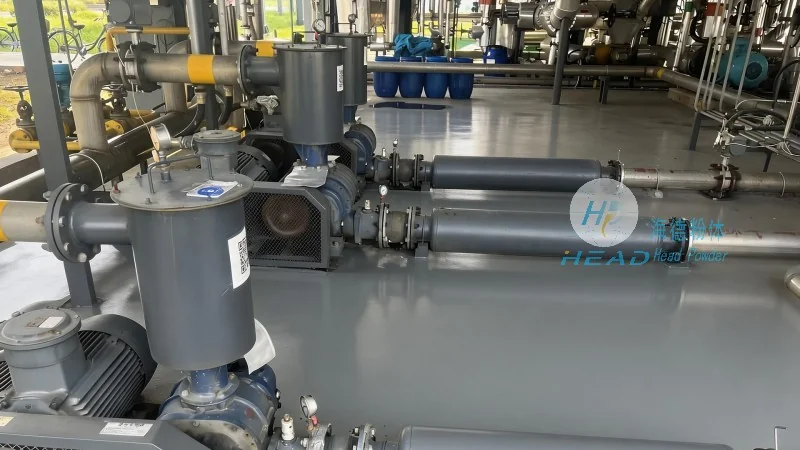
Efficiency is a critical characteristic of pneumatic conveying systems. By using compressed air, the system can transport sand quickly and with minimal energy consumption compared to mechanical conveyors. The process also offers better control over the flow rate and pressure, allowing for precise delivery of sand to the required location. Additionally, pneumatic conveying systems provide better dust control, as the sand is contained within the pipeline and the air is filtered before being released, reducing the risk of environmental contamination.
Another important characteristic is the reliability and durability of the equipment. The components used in pneumatic conveying systems, such as the hopper, feeder, and pipeline, are designed to withstand the abrasive nature of sand particles, ensuring long-term operation with minimal maintenance. The system also offers better safety features, as there are no moving parts in direct contact with the sand, reducing the risk of accidents or injuries.
Applications and Benefits in Industrial Settings
Sand powder pneumatic conveying is widely used in various industrial applications, particularly in the construction, foundry, and sand processing industries. In construction, the system is used to transport sand from storage silos to mixing plants or job sites, ensuring a consistent supply of material. In foundries, the process is used to move sand for molding and casting operations, where the quality and uniformity of the sand are critical. In sand processing facilities, the system is used to transport sand for further processing, such as washing, screening, or drying.
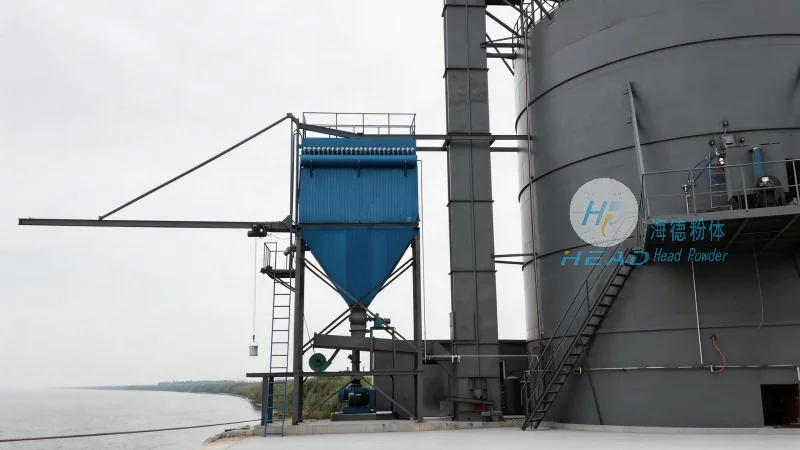
The benefits of using sand powder pneumatic conveying in these applications are significant. The system reduces labor costs by automating the material handling process, improves productivity by ensuring a continuous supply of sand, and enhances safety by minimizing the risk of dust exposure and accidents. Additionally, the system offers better control over the quality of the sand, as the particles are not subjected to mechanical abrasion or compression, which can affect their properties.
Conclusion
Sand powder pneumatic conveying is an efficient and versatile technology for transporting sand particles in industrial settings. The working principle, which involves the use of compressed air to move sand through a pipeline, offers several advantages over traditional mechanical conveyors. The key characteristics of the system, including its ability to handle various sand types, flexibility in design, and efficiency, make it an ideal solution for industries dealing with granular materials. As a leading provider in this field, Shandong HeadPowder Engineering Co., Ltd. specializes in designing and implementing customized pneumatic conveying systems that meet the specific needs of clients, ensuring optimal performance and reliability in material handling operations.