

Principle and Application Scenarios of PP Pneumatic Conveying
PP (polypropylene) is a widely used thermoplastic polymer in various industrial applications, and efficient material handling is crucial for its processing and transportation. Pneumatic conveying, as a key technology in material handling, offers a flexible and effective solution for transporting PP and other powders or bulk materials. This article explores the fundamental principles of PP pneumatic conveying and highlights its distinctive characteristics across different working scenarios.
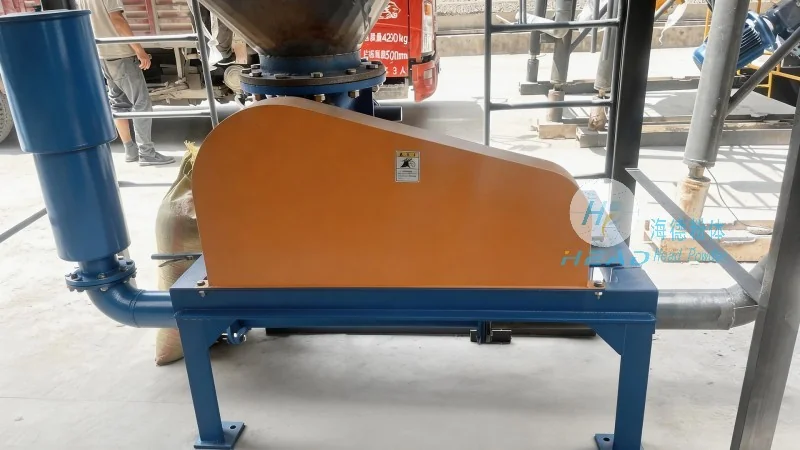
1. Core Principles of PP Pneumatic Conveying
Pneumatic conveying systems operate by using air or gas to transport solid particles through a pipeline. The process typically involves generating a pressure differential or using vacuum to move the material. For PP, which is often in powder or granular form, the system can be categorized into two main types: pressure and vacuum systems. Pressure systems use compressed air to push the material forward, while vacuum systems create a negative pressure to draw the material into the pipeline. The choice between these systems depends on factors such as the distance to be covered, the material's properties, and the required flow rate. In both cases, the key components include a feeder, a conveying line, a separator, and a receiver. The feeder ensures a consistent flow of PP into the system, while the conveying line transports the material. The separator separates the air from the material, and the receiver collects the conveyed PP. The air, now containing fine particles, is often filtered and recycled to minimize waste and energy consumption.
2. Key Working Scenarios and Their Characteristics
PP pneumatic conveying is employed in diverse industrial settings, each with unique requirements and operational characteristics. Understanding these scenarios helps in selecting the appropriate system for specific applications.
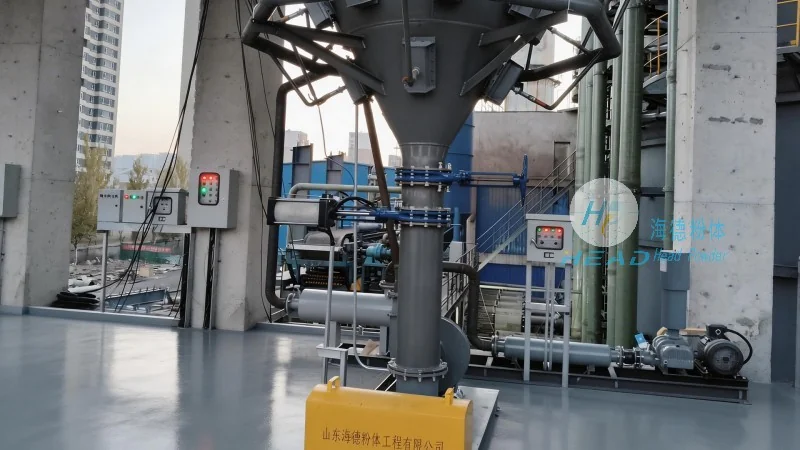
2.1. Bulk Material Handling in Manufacturing Plants
In manufacturing facilities, PP is commonly used in injection molding, extrusion, and other processing operations. Pneumatic conveying is ideal for transporting PP pellets or powders from storage silos to processing machines. The system can handle large volumes of material with minimal downtime, ensuring a continuous production flow. For instance, in a plastic processing plant, a pressure conveying system may be used to move PP from a bulk storage tank to an injection molding machine. The system's ability to maintain a consistent flow rate is critical to prevent material buildup or clogging in the pipeline. The design of the conveying line, including the diameter and length, is optimized to minimize pressure drop and energy consumption. Additionally, the use of flexible hoses or rigid pipes depends on the plant layout and the need for flexibility in material routing.
2.2. Pharmaceutical and Food Processing Applications
Due to its non-toxic and hygienic properties, PP is widely used in the pharmaceutical and food industries. Pneumatic conveying in these sectors must adhere to strict sanitary standards. The system components, such as the feeder and separator, are typically made of stainless steel or other food-grade materials to prevent contamination. The conveying air is often filtered and sterilized to ensure the material remains clean and safe. In pharmaceutical applications, the system may be used to transport PP-based excipients or packaging materials. The key is to maintain a sterile environment throughout the conveying process, which requires careful control of air quality and system cleaning protocols. The working scenario often involves small-scale, high-purity conveying, where precision and reliability are paramount.
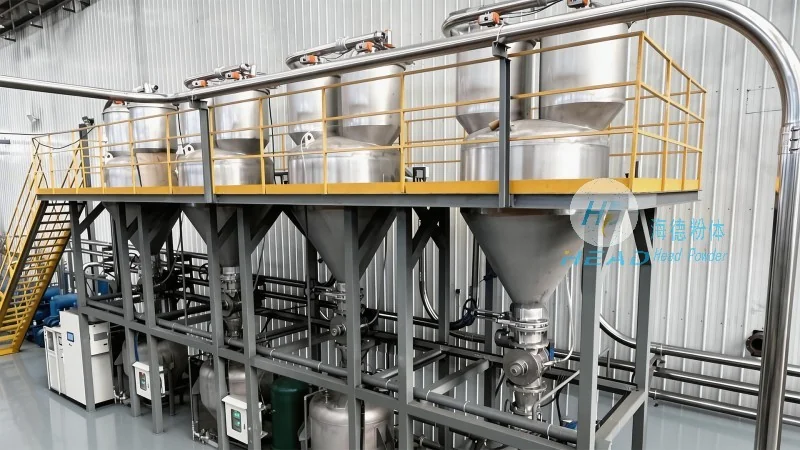
2.3. Chemical and Petrochemical Industries
In chemical and petrochemical plants, PP may be used as a raw material or as a component in various products. Pneumatic conveying is used to transport PP powders or granules between processing units, such as reactors and storage tanks. The system must be robust enough to handle potentially abrasive or corrosive materials, if present. The pressure system is often preferred in these applications due to its ability to handle higher material loads and longer distances. The conveying line is designed with corrosion-resistant materials, such as stainless steel or special coatings, to ensure durability. The system's control mechanisms, including pressure regulators and flow meters, are critical to maintain stable operation and prevent overpressure or underflow. The working scenario may involve continuous or batch operations, depending on the production schedule.
2.4. Construction and Infrastructure Projects
PP is also used in construction materials, such as plastic pipes and insulation. Pneumatic conveying can be used to transport PP pellets or powders to construction sites for on-site processing. The system is typically mobile or semi-mobile, allowing flexibility in material delivery. The working scenario often involves short to medium distances, with the system being set up on-site. The key considerations include the need for easy installation and maintenance, as well as the ability to handle varying material volumes. The system may be integrated with other equipment, such as mixers or extruders, to facilitate on-site production. The use of PP in construction materials highlights the versatility of pneumatic conveying in different industrial sectors.
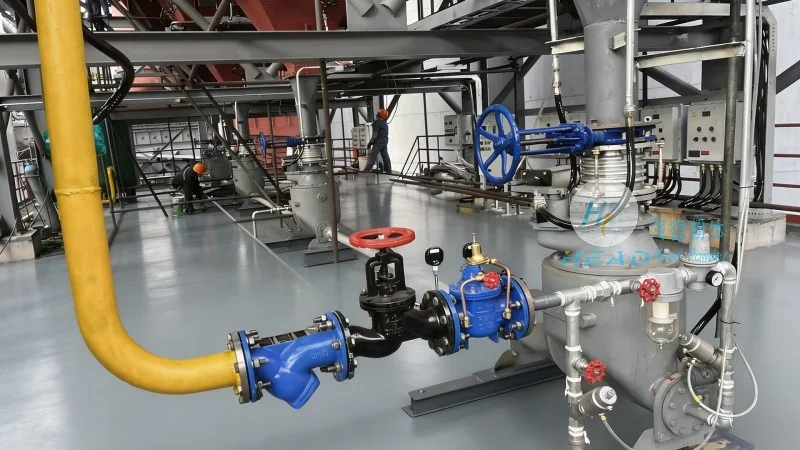
3. Advantages and Considerations in PP Pneumatic Conveying
PP pneumatic conveying offers several advantages that make it a preferred choice in many industries. These include the ability to transport materials in a closed system, which reduces dust emissions and improves safety. The system is also flexible, allowing for changes in material routing without major modifications. Additionally, it can handle a wide range of material sizes and shapes, from fine powders to coarse granules. However, there are also considerations to keep in mind. The system requires regular maintenance to ensure optimal performance, including cleaning of filters and checking for leaks. The energy consumption can be significant, especially for long-distance conveying, and energy-efficient designs are essential. The initial investment cost may be higher compared to other material handling methods, but the long-term benefits, such as reduced labor and improved safety, often outweigh the costs.
4. Conclusion
Pneumatic conveying is a vital technology for handling PP and other bulk materials, offering efficiency and flexibility across various industrial applications. By understanding the core principles and working scenarios, industries can select and implement the most suitable system for their specific needs. As technology advances, the design and operation of pneumatic conveying systems continue to improve, enhancing their performance and reliability. The continued use of PP in diverse applications underscores the importance of effective material handling, and pneumatic conveying remains a key solution for ensuring smooth and efficient operations.