

Principles and Application Scenarios of Automatic Bag Opening Pneumatic Conveying
Automatic bag opening pneumatic conveying systems represent a sophisticated solution for material handling in various industrial applications. This technology integrates the processes of bag opening, material extraction, and pneumatic transport into a seamless operation, enhancing efficiency and safety in material transfer. The system typically comprises several key components, including a bag opener, a hopper for material collection, a pneumatic conveying line, and a control unit. Each component works in concert to ensure reliable and continuous material movement from the point of bag storage to the processing or storage destination.
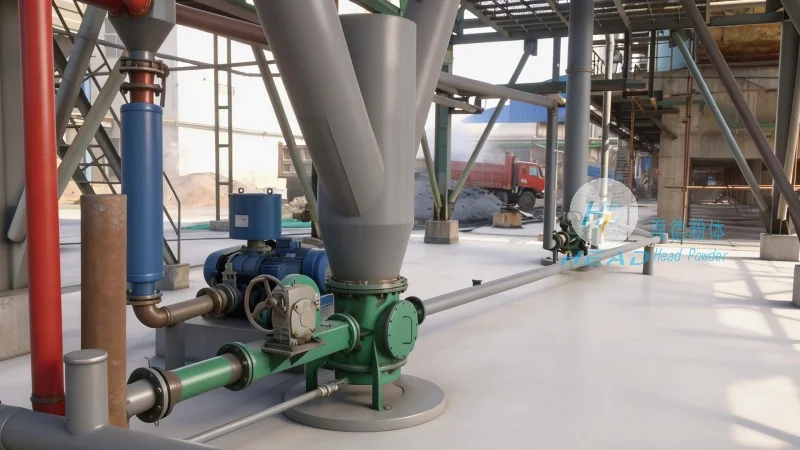
Principles of Operation
The core principle of automatic bag opening pneumatic conveying involves the use of compressed air to create a vacuum or pressure differential that draws material from the bag into the conveying system. The bag opener, often equipped with mechanical or pneumatic actuators, safely opens the bag without damaging the contents. Once opened, the material is discharged into a hopper or feeder, where it is then drawn into the pneumatic line by the air flow. The conveying medium, usually air, is managed by a blower or compressor to maintain the necessary pressure and flow rates. The system can operate in both dilute-phase and dense-phase modes, depending on the material characteristics and required transport distance. Dilute-phase conveying uses higher air velocities to move material in a dispersed state, while dense-phase conveying employs lower velocities to transport material in a more concentrated form, reducing particle degradation and improving system efficiency.
Key Components and Their Functions
Several critical components contribute to the effective operation of an automatic bag opening pneumatic conveying system. The bag opener is responsible for safely opening the bag, which may involve cutting the bag seal, tearing the top, or using a vacuum-assisted mechanism to draw the material out. The hopper or feeder ensures that the material is collected uniformly and transferred to the conveying line without blockages. The pneumatic conveying line, typically made of stainless steel or other corrosion-resistant materials, is designed to withstand the pressure and temperature conditions of the material being transported. The blower or compressor provides the necessary air pressure and flow, with adjustable settings to match the material's properties and system requirements. The control unit monitors and regulates the entire process, ensuring that the bag opening, material flow, and air pressure are synchronized and optimized for continuous operation.
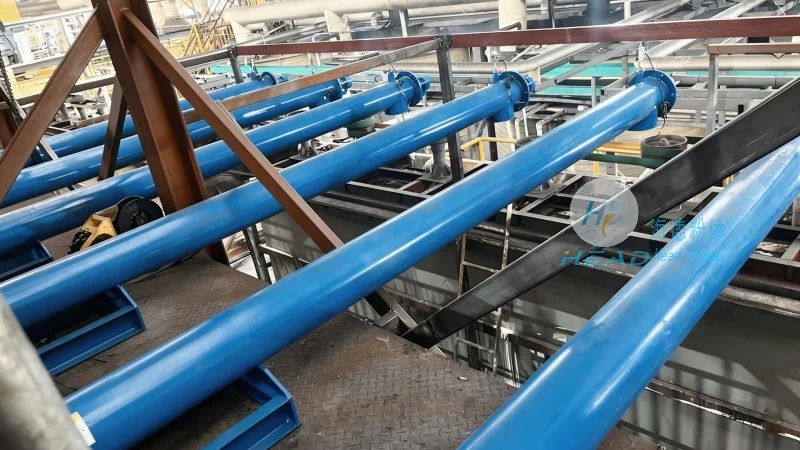
Application Scenarios and Industry Use Cases
Automatic bag opening pneumatic conveying is widely used in industries where bulk materials are handled, such as food and beverage, pharmaceuticals, chemicals, and mining. In the food industry, for example, this system is employed to transfer powders like flour, sugar, or spices from storage bags to processing equipment, maintaining hygiene and preventing contamination. The pharmaceutical industry utilizes this technology for handling active pharmaceutical ingredients (APIs) and other sensitive materials, ensuring that the material is transferred under controlled conditions to meet regulatory standards. In the chemical industry, the system is used to transport powders like pigments, polymers, or catalysts, where dust control and material integrity are crucial. The mining industry also benefits from this technology for conveying bulk materials like ores or minerals from storage to processing plants, improving safety and reducing manual handling risks.
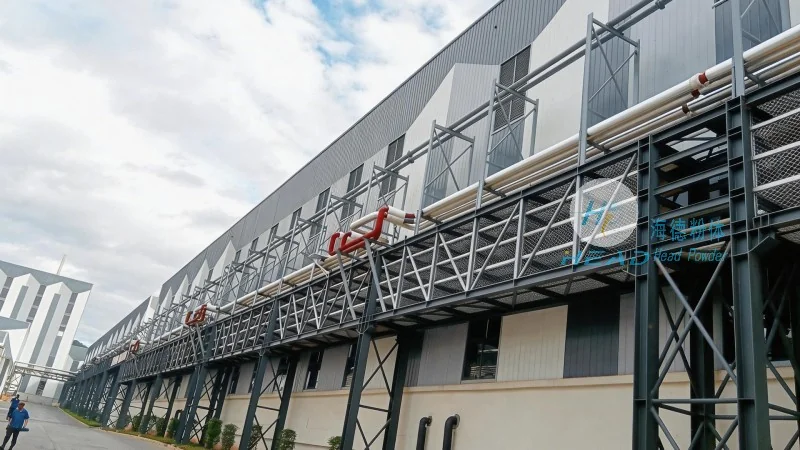
Advantages of Automatic Bag Opening Pneumatic Conveying
Compared to traditional material handling methods, automatic bag opening pneumatic conveying offers several advantages. One of the primary benefits is the reduction in manual labor, as the system automates the bag opening and material transfer processes, minimizing the need for human intervention and associated risks. The system also enhances safety by eliminating the need for workers to handle heavy bags or operate machinery directly, reducing the risk of injuries and exposure to hazardous materials. Additionally, the automated process improves efficiency and consistency, ensuring that material is transferred at a steady rate without interruptions or variations. The system's ability to handle a wide range of materials, from fine powders to bulk solids, makes it versatile and adaptable to various industrial needs. Furthermore, the enclosed nature of the pneumatic conveying line helps in controlling dust emissions, improving workplace air quality and compliance with environmental regulations.
Considerations for System Design and Integration
When designing an automatic bag opening pneumatic conveying system, several factors must be considered to ensure optimal performance and reliability. The first consideration is the material properties, including particle size, density, and moisture content, as these characteristics affect the conveying velocity and system design. The required transport distance and height also influence the system's configuration, such as the number of conveying lines and the type of blower. The system's integration with existing facilities is another critical factor, as it must be compatible with the plant layout and operational requirements. The choice of materials for the conveying line and components is essential to prevent corrosion or wear from the material being transported. Additionally, the control system must be robust and user-friendly, allowing for easy monitoring and adjustment of the process parameters. Regular maintenance and cleaning of the system are also important to ensure long-term performance and prevent material buildup or blockages.