

Principle and Working Scene Characteristics of Automatic Feeding Pneumatic Conveying
Automatic feeding pneumatic conveying systems represent a sophisticated method of material handling, integrating advanced automation with efficient air-based transport technology. This technology is designed to move bulk materials from one location to another through a pipeline system, utilizing compressed air or other gases to create a flow that propels the material. The core of such systems lies in the automatic feeding mechanism, which ensures consistent and controlled material input, enhancing overall operational efficiency and reliability.
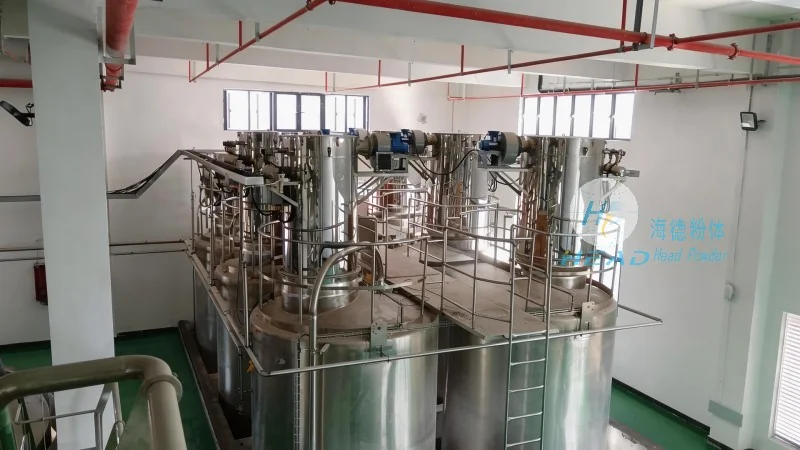
The Fundamental Principle of Pneumatic Conveying
The principle of pneumatic conveying involves the use of a pressure differential to transport solid materials. In an automatic feeding system, materials are typically fed into a hopper or feeder, where they are then introduced into a pipeline. Compressed air, often generated by a blower or compressor, is introduced at the discharge end of the pipeline, creating a flow that draws the material particles along with it. The velocity of the air and the size of the particles determine the conveying velocity and efficiency. The system is designed to maintain a stable flow rate, minimizing the risk of blockages or uneven material distribution.
Key Components and Their Functions
Automatic feeding pneumatic conveying systems consist of several critical components, each playing a vital role in the overall operation. The primary components include the material feeder, which controls the rate of material input; the conveying pipeline, which transports the material; the air supply system, which provides the necessary pressure and flow; and the control system, which monitors and adjusts the operation. The feeder, often equipped with sensors and automation controls, ensures that the material is fed at a consistent rate, preventing overfeeding or underfeeding. The pipeline is typically made of materials like stainless steel or plastic, chosen for their durability and resistance to corrosion. The air supply system includes a blower, filters, and pressure regulators, ensuring a clean and consistent air flow. The control system uses sensors to monitor pressure, flow, and material level, allowing for real-time adjustments to maintain optimal performance.
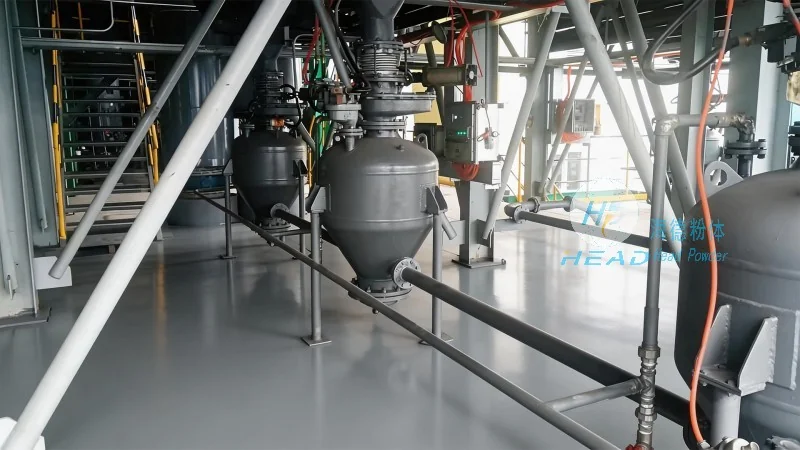
Working Scene Characteristics and Applications
The working scene characteristics of automatic feeding pneumatic conveying systems are tailored to various industrial applications, offering flexibility and adaptability. These systems are commonly used in industries such as food processing, pharmaceuticals, chemicals, and minerals, where the handling of bulk materials requires precision and hygiene. The automatic feeding feature is particularly beneficial in environments where human intervention is limited or where consistent material flow is critical, such as in continuous production lines. The systems are designed to handle a wide range of materials, from fine powders to bulk solids, with varying particle sizes and densities. The ability to transport materials over long distances without the need for mechanical components makes these systems ideal for applications where traditional conveyor belts or elevators are impractical. Additionally, the systems can be integrated with other equipment, such as mixers, classifiers, and storage silos, to form a comprehensive material handling solution.
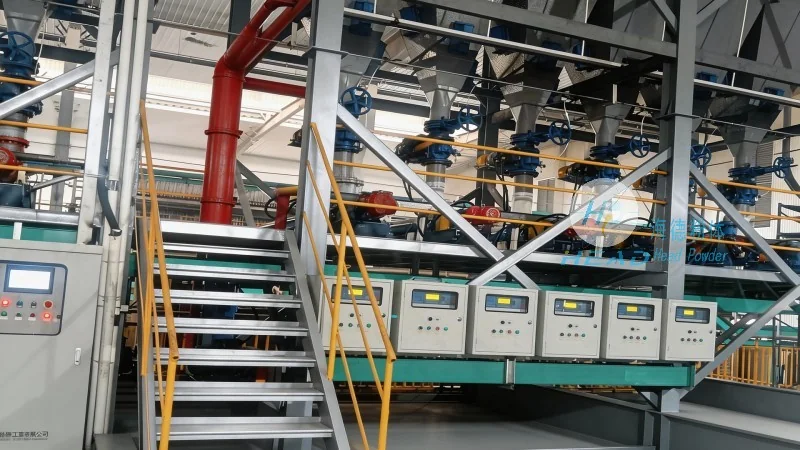
Advantages of Automatic Feeding Pneumatic Conveying
Automatic feeding pneumatic conveying systems offer numerous advantages over traditional material handling methods. One of the key benefits is the reduction in labor costs, as the system operates with minimal human intervention. The automated feeding mechanism ensures consistent material flow, leading to improved product quality and reduced waste. The systems are also highly efficient in terms of energy consumption, as they use compressed air, which can be generated from existing industrial air systems. The lack of moving parts in the conveying pipeline reduces maintenance requirements and downtime, increasing overall system reliability. Furthermore, the systems are designed to be hygienic and easy to clean, making them suitable for industries with strict sanitary standards, such as food and pharmaceuticals. The ability to handle a wide range of materials and the flexibility in system design allow for customization to meet specific operational needs.
About Shandong HeadPowder Engineering Co., Ltd.
Shandong HeadPowder Engineering Co., Ltd., commonly known as HeadPowder, is a leading manufacturer and supplier of advanced material handling solutions, including automatic feeding pneumatic conveying systems. With a strong focus on innovation and quality, HeadPowder has established itself as a trusted partner in the industry, providing customized solutions tailored to the unique needs of its clients. The company’s products are designed to meet the highest standards of performance, reliability, and safety, ensuring that they deliver long-term value to its customers. HeadPowder’s commitment to research and development ensures that its systems incorporate the latest technological advancements, maintaining a competitive edge in the market. The company’s extensive experience in the field, combined with its customer-centric approach, has enabled it to serve a diverse range of industries, from food processing to chemical manufacturing. HeadPowder’s dedication to excellence and customer satisfaction has earned it a reputation as a reliable and innovative supplier in the material handling industry.