

Principle and Application Characteristics of Dry Desulfurization
Understanding the fundamental principles and operational characteristics of dry desulfurization systems is crucial for industries seeking efficient and reliable methods to reduce sulfur dioxide emissions. This article explores the core mechanisms behind dry desulfurization, alongside key application scenarios that highlight its practical advantages in modern industrial settings.
Core Principles of Dry Desulfurization
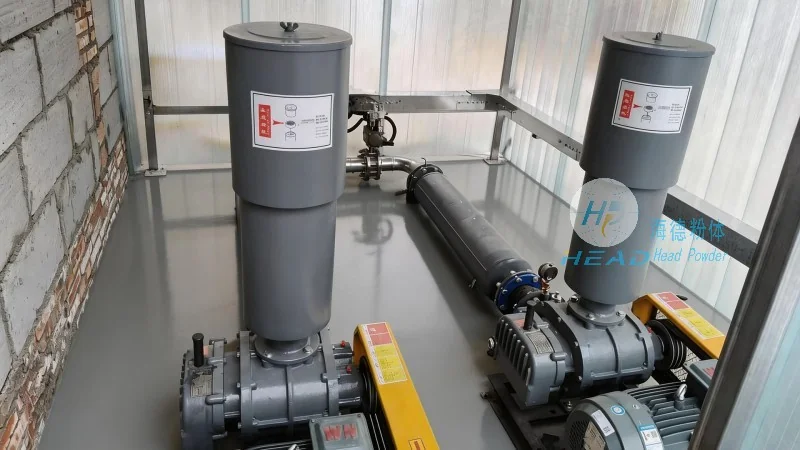
Dry desulfurization, also known as dry flue gas desulfurization (FGD), operates on the principle of using solid absorbents to capture sulfur dioxide (SO₂) from flue gases. Unlike wet desulfurization processes that rely on liquid solutions, dry systems utilize dry powders or granules that react chemically with SO₂ to form stable solid byproducts. The process typically involves several key steps: gas preparation, absorption, and regeneration or disposal of the spent absorbent.
The primary chemical reaction in dry desulfurization often involves alkaline absorbents such as calcium-based materials (e.g., limestone or calcium hydroxide). These materials react with SO₂ to form calcium sulfite or calcium sulfate, which are then removed from the gas stream. For instance, the reaction with calcium carbonate (CaCO₃) can be represented as: CaCO₃ + SO₂ + 1/2 O₂ → CaSO₄ + CO₂. This reaction effectively removes sulfur dioxide while producing a solid waste product that can be managed through standard industrial waste disposal protocols.
Key Working Characteristics and Advantages
Dry desulfurization systems exhibit several distinct characteristics that make them suitable for specific industrial applications. One of the most notable advantages is their compact design and low space requirements, which is particularly beneficial for facilities with limited installation space. The process also operates at relatively low temperatures, reducing energy consumption compared to wet systems that require heating and cooling cycles.
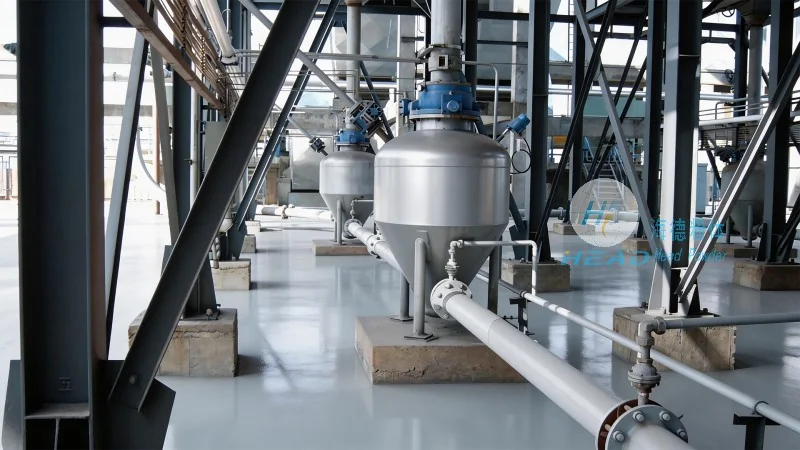
Another critical characteristic is the ability to handle high-temperature flue gases directly without the need for extensive gas cooling. This direct treatment approach minimizes energy losses and simplifies the overall system layout. Additionally, dry desulfurization systems typically have lower operating costs due to reduced water usage and the elimination of wastewater treatment requirements, which are common in wet FGD processes.
Typical Application Scenarios
Dry desulfurization is widely applied in various industrial sectors where flue gas treatment is essential to comply with environmental regulations. Power generation facilities, particularly those using coal or natural gas as fuel, frequently employ dry desulfurization systems to meet stringent emission standards. The technology is also utilized in industrial boilers, cement plants, and waste incineration facilities, where the removal of sulfur dioxide is critical to protect air quality and prevent acid rain formation.
In power plants, dry desulfurization systems are often integrated with the existing flue gas treatment infrastructure, allowing for seamless operation and minimal disruption to the plant's overall performance. The modular design of these systems enables easy scaling to accommodate varying flue gas volumes, making them adaptable to both new and retrofit applications. For example, in a coal-fired power station, the dry desulfurization system may be installed as a post-combustion treatment step, ensuring that the emitted gases meet national and international emission limits.
Operational Considerations and Maintenance
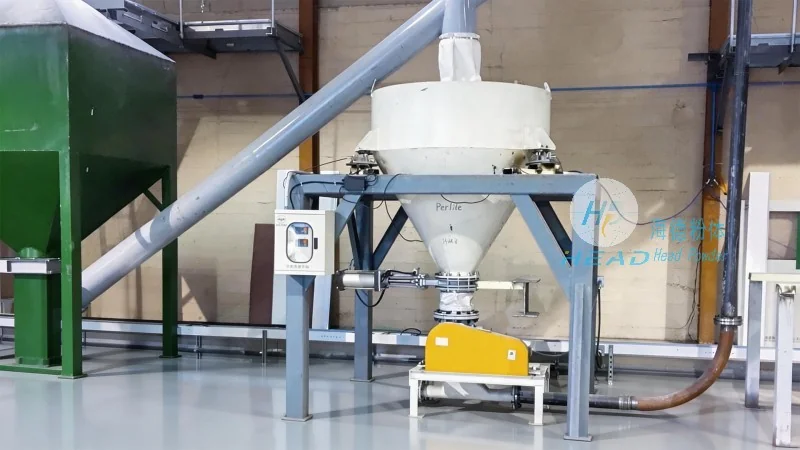
While dry desulfurization offers several advantages, proper operation and maintenance are essential to ensure optimal performance and longevity of the system. Key operational considerations include the selection of appropriate absorbent materials based on the specific characteristics of the flue gas, such as temperature, humidity, and sulfur dioxide concentration. The absorbent's reactivity and particle size distribution significantly impact the efficiency of SO₂ capture, and regular monitoring is required to maintain consistent performance.
Maintenance activities typically involve periodic replacement of the spent absorbent, cleaning of the gas handling equipment, and inspection of the reaction chambers for any signs of corrosion or degradation. Advanced monitoring systems, such as online SO₂ analyzers and particle size sensors, help operators track the system's performance in real-time and adjust operational parameters as needed. Proper maintenance not only ensures compliance with emission regulations but also maximizes the system's service life and reduces long-term operational costs.
Conclusion
Dry desulfurization represents a robust and efficient technology for reducing sulfur dioxide emissions in industrial applications. By understanding its core principles and operational characteristics, industries can make informed decisions about implementing this technology to meet environmental standards while optimizing operational efficiency. As regulatory requirements for air quality continue to evolve, dry desulfurization systems remain a viable solution for sustainable industrial operations.