

Principle and Application Scenarios of Fine Sand Pneumatic Conveying
HeadPowder, a leading provider of industrial conveying solutions, specializes in the efficient and reliable transportation of fine sand through pneumatic systems. This article explores the fundamental principles behind fine sand pneumatic conveying and highlights the key working scenarios where this technology excels. The company, with its headquarters in Shandong, China, has extensive experience in designing and implementing advanced conveying systems tailored to the unique needs of various industries.
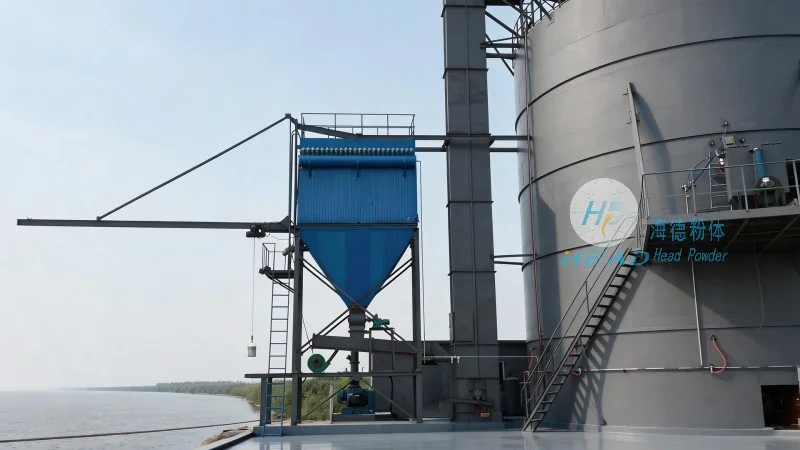
The Core Principles of Fine Sand Pneumatic Conveying
Fine sand pneumatic conveying operates on the principle of transporting dry bulk materials, such as fine sand, using compressed air or other gases. The process involves creating a flow of air that carries the sand particles through a pipeline. Key components include a hopper for material storage, a blower or compressor to generate the air flow, and a pipeline system that directs the material to its destination. The efficiency of this method depends on several factors, including the particle size of the sand, the air velocity, and the system's pressure. Proper design ensures that the sand particles are suspended in the air stream without clogging the system, which is crucial for maintaining consistent performance. The technology leverages air dynamics to achieve seamless material transfer, making it an ideal solution for applications requiring precision and control.
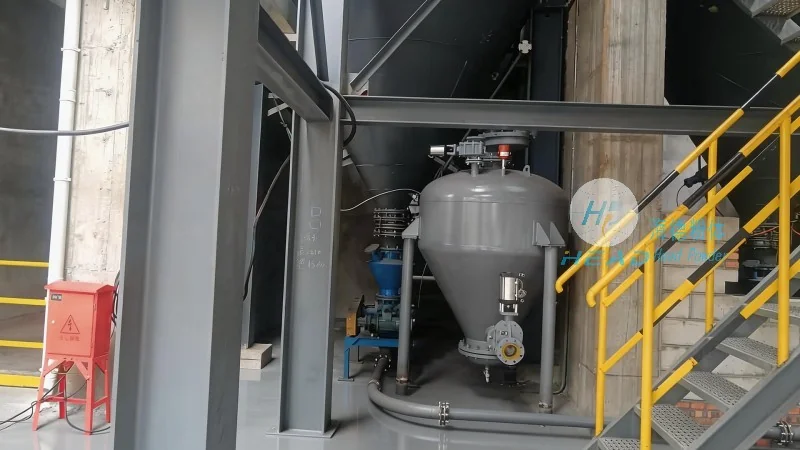
Working Scenarios and Applications
Fine sand pneumatic conveying is particularly effective in various industrial settings where traditional mechanical conveying methods may be impractical or inefficient. For instance, in construction and mining industries, it is used to transport sand from stockpiles to processing facilities or mixing plants. The technology is also widely applied in the glass manufacturing sector, where fine sand is a critical raw material for glass production. Additionally, in the chemical and pharmaceutical industries, fine sand pneumatic conveying is employed to handle sand-based materials in production lines, ensuring a clean and controlled environment. HeadPowder's systems have been successfully implemented in these sectors, demonstrating the reliability and effectiveness of fine sand pneumatic conveying.
Advantages of Fine Sand Pneumatic Conveying
Compared to traditional methods like belt conveyors or screw conveyors, fine sand pneumatic conveying offers several advantages. One of the primary benefits is the ability to transport materials over long distances without the need for multiple transfer points. This reduces the risk of material degradation and contamination, which is essential for high-quality applications. Another advantage is the minimal space requirement, as the system can be installed in a compact area, making it suitable for facilities with limited floor space. Furthermore, the process is relatively low maintenance, as there are fewer moving parts compared to mechanical conveyors, leading to lower operational costs and increased uptime. The technology also allows for better control over the material flow, enabling precise dosing and reducing waste.
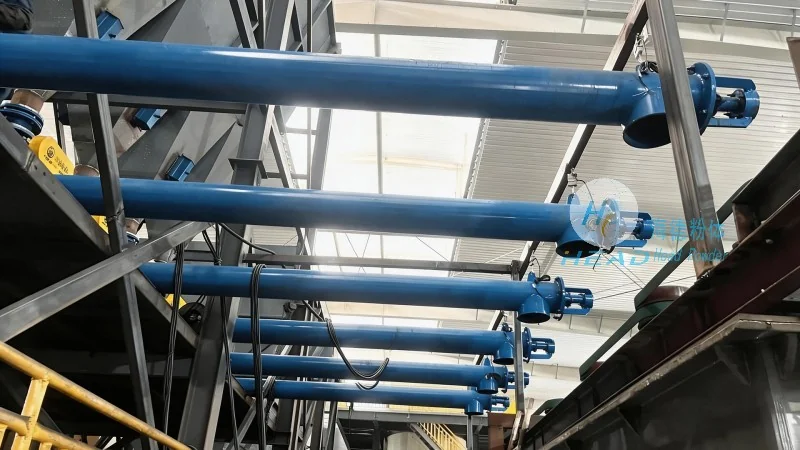
System Design and Customization
HeadPowder designs and manufactures customized fine sand pneumatic conveying systems tailored to the specific needs of each client. The company considers factors such as the volume of sand to be transported, the distance of the transfer, and the required air pressure to develop an optimal solution. The systems are built with high-quality materials, including stainless steel and corrosion-resistant components, to ensure durability and longevity. HeadPowder's engineering team works closely with clients to understand their operational requirements and provides comprehensive support from system design to installation and maintenance. The company's commitment to quality and innovation has made it a trusted partner for businesses seeking efficient and reliable fine sand conveying solutions.