

Principle and Working Scene Characteristics of Wood Powder Pneumatic Conveying
Wood powder, a common material in various industrial applications, often requires efficient and reliable transportation methods to ensure smooth production processes. Pneumatic conveying systems have emerged as a preferred solution for handling wood powder due to their ability to transport materials in a dust-free environment and with minimal maintenance. This article explores the fundamental principles behind wood powder pneumatic conveying and highlights the key characteristics of different working scenes where such systems are typically applied.
The Core Principle of Pneumatic Conveying for Wood Powder
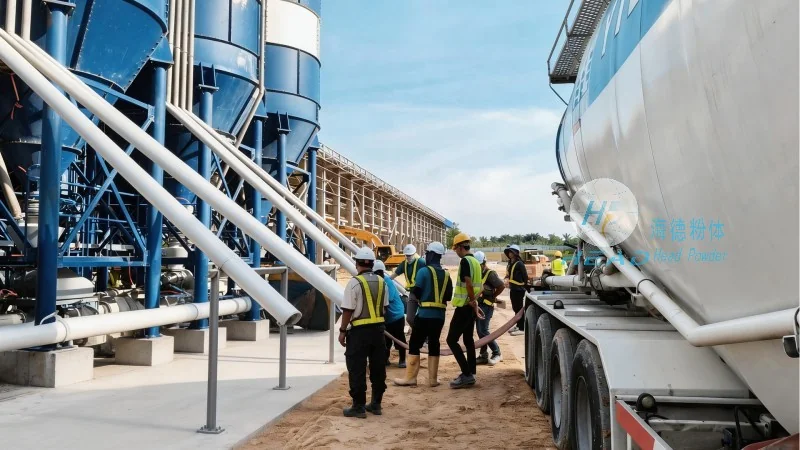
The primary principle of wood powder pneumatic conveying involves the use of air or gas to transport solid particles through a pipeline. In this process, the wood powder is suspended in a stream of air, which then carries the material from the source to the destination. The system typically operates under either positive or negative pressure, depending on the specific requirements of the application. Positive pressure systems force air and material through the pipeline, while negative pressure systems create a vacuum to draw the material into the system. The choice between these two methods depends on factors such as the distance of transport, the volume of material, and the need to minimize dust emissions.
Key Components and Their Functions in Wood Powder Pneumatic Conveying Systems
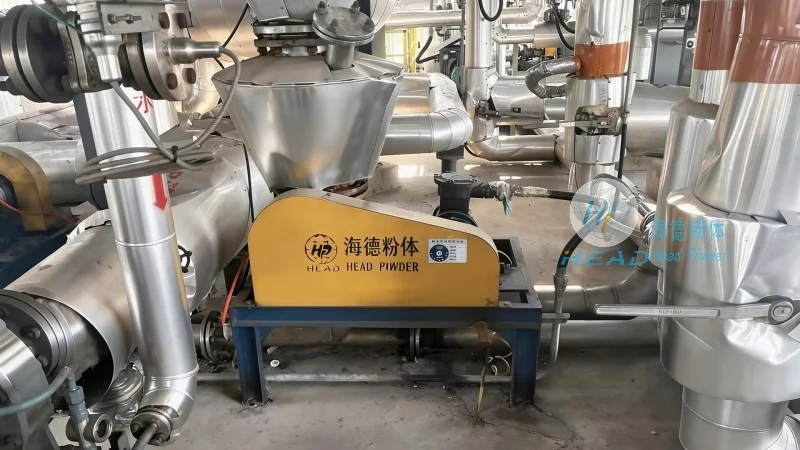
Wood powder pneumatic conveying systems consist of several critical components that work in tandem to ensure efficient material transport. These components include the hopper or feed device, which holds the wood powder and feeds it into the system; the air compressor or vacuum pump, which generates the necessary air pressure or vacuum; the pipeline network, which transports the material; and the receiver or discharge device, which collects the wood powder at the destination. Each component plays a vital role in maintaining the system's performance and reliability. For instance, the hopper must be designed to prevent material bridging and ensure a consistent feed rate, while the air compressor must provide sufficient air volume and pressure to maintain the material's suspension in the pipeline.
Working Scene Characteristics: Industrial Applications of Wood Powder Pneumatic Conveying
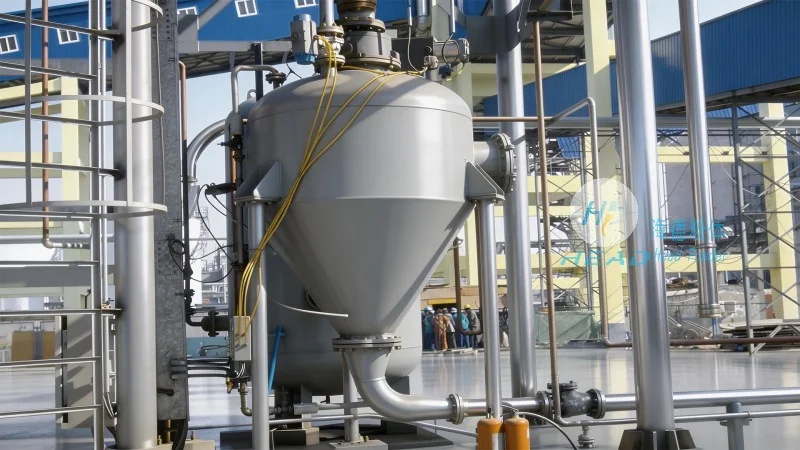
Wood powder pneumatic conveying systems are widely used in various industrial settings, each with distinct characteristics that influence the system's design and operation. One common application is in the wood processing industry, where wood powder is transported from grinding or milling operations to storage silos or processing units. In this scenario, the system must handle fine, abrasive particles and operate in a clean environment to prevent contamination of the final product. Another application is in the production of wood-based composites, such as particleboard or MDF, where the wood powder is conveyed to mixing and pressing equipment. Here, the system's efficiency directly impacts the quality and consistency of the final composite material.
Advantages and Considerations for Wood Powder Pneumatic Conveying
Implementing wood powder pneumatic conveying offers several advantages over traditional methods like belt conveyors or manual handling. These include reduced dust exposure for operators, lower maintenance costs due to fewer moving parts, and the ability to transport materials over long distances without the need for intermediate storage. However, the system also has considerations that must be addressed, such as the need for proper air filtration to prevent dust accumulation in the system and the potential for material degradation if the system is not designed to handle the specific properties of the wood powder. Additionally, the initial investment cost for a pneumatic conveying system can be higher than for other transport methods, but the long-term benefits often outweigh this initial expense.
Conclusion: The Role of Wood Powder Pneumatic Conveying in Modern Industry
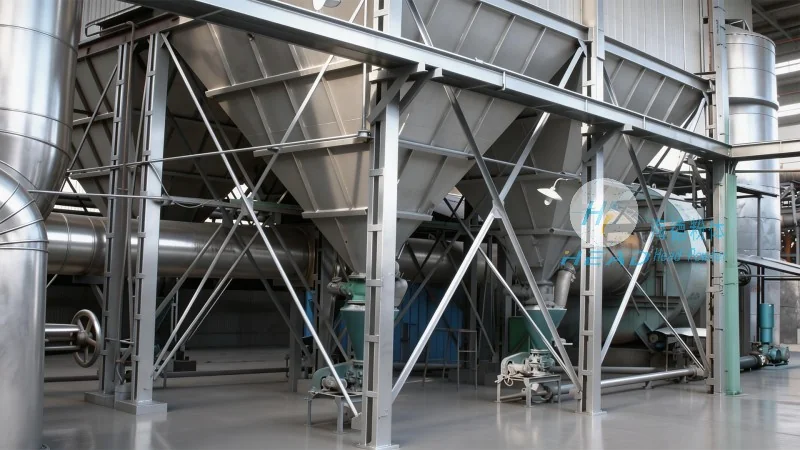
Wood powder pneumatic conveying systems play a crucial role in modern industrial processes by providing an efficient, reliable, and dust-free method of transporting wood powder. By understanding the fundamental principles and working scene characteristics of these systems, industries can optimize their material handling processes and improve overall productivity. As technology continues to advance, further innovations in pneumatic conveying systems are expected to enhance their performance and expand their applications, ensuring their continued relevance in the wood processing and related industries.