

Principles and Working Scene Characteristics of Silage Material Pneumatic Conveying
HeadPowder, a leading engineering firm based in Shandong, China, specializes in the design and implementation of advanced material handling solutions. This article explores the principles of pneumatic conveying for silage materials and highlights the key characteristics of its working environments.
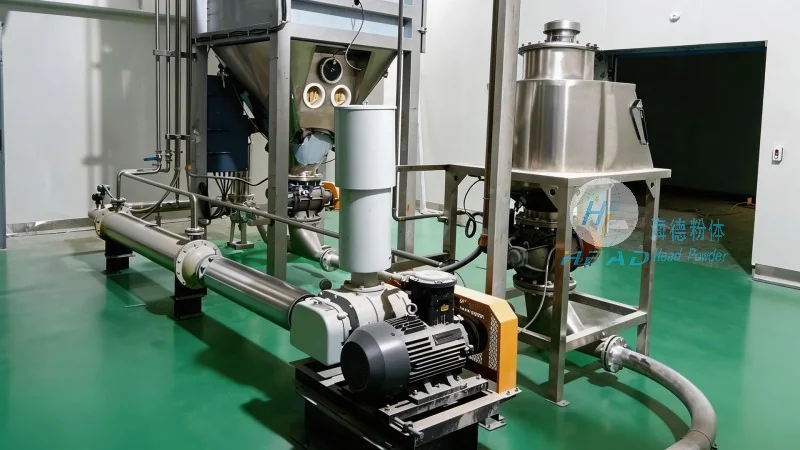
Introduction to Silage Material Pneumatic Conveying
Silage, a fermented forage used in livestock feeding, often requires efficient and hygienic transport from storage to feeding areas. Pneumatic conveying offers a versatile solution for moving silage, leveraging air pressure to transport the material through pipelines. This method is particularly effective for handling bulk materials like silage, ensuring minimal contamination and optimal preservation of the feed quality.
The Core Principles of Pneumatic Conveying for Silage
The fundamental principle of pneumatic conveying involves the use of a vacuum or pressure system to move silage particles through a pipeline using air. There are two primary types of pneumatic conveying systems: pressure and vacuum. Pressure systems use compressed air to push the material forward, while vacuum systems use a suction mechanism to draw the material into the pipeline. For silage, which is often wet and sticky, a combination of these systems or specialized designs may be employed to ensure smooth operation.
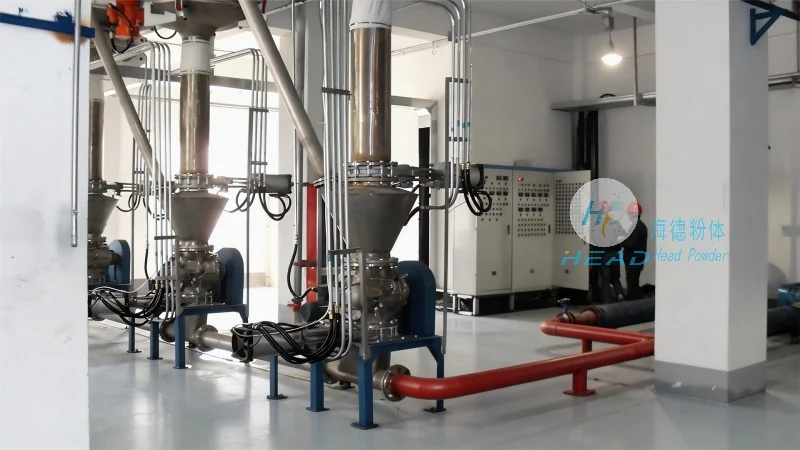
Key components of a silage pneumatic conveying system include the silo or storage bin, the conveying pipeline, a fan or blower to generate the air flow, and a discharge point at the destination. The system operates by drawing silage from the storage container and transporting it through the pipeline to the feeding area or processing unit. The air flow is carefully controlled to maintain the correct velocity and pressure, preventing material blockages and ensuring consistent delivery.
Working Scene Characteristics of Silage Pneumatic Conveying
The working environment for silage pneumatic conveying is characterized by several factors that influence system design and performance. Firstly, the material properties of silage, such as its moisture content and particle size, play a critical role. Wet silage requires higher air flow rates and possibly larger pipeline diameters to maintain efficient transport. Additionally, the hygienic requirements for livestock feed mean that the system must be designed to minimize contamination and prevent the growth of bacteria or mold during transport.
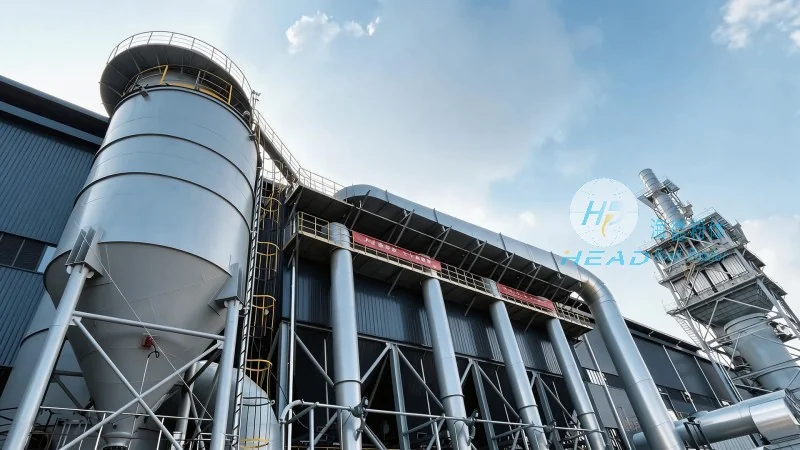
Secondly, the operational scale of the system affects its characteristics. Large-scale farms or feed processing facilities may use multiple pipelines and high-capacity fans to handle substantial volumes of silage. The layout of the conveying system, including the number of branches and the length of the pipeline, must be optimized to minimize energy consumption and maximize throughput. For example, a system with multiple discharge points may be designed to serve different feeding areas or processing stages simultaneously.
Thirdly, the environmental conditions in the working scene, such as temperature and humidity, can impact the performance of the pneumatic conveying system. High temperatures may cause the silage to dry out or lose its fermentative properties, while high humidity can lead to condensation in the pipeline, potentially causing blockages. Proper insulation and moisture control measures are often integrated into the system design to mitigate these effects.
Applications and Benefits in Practical Settings
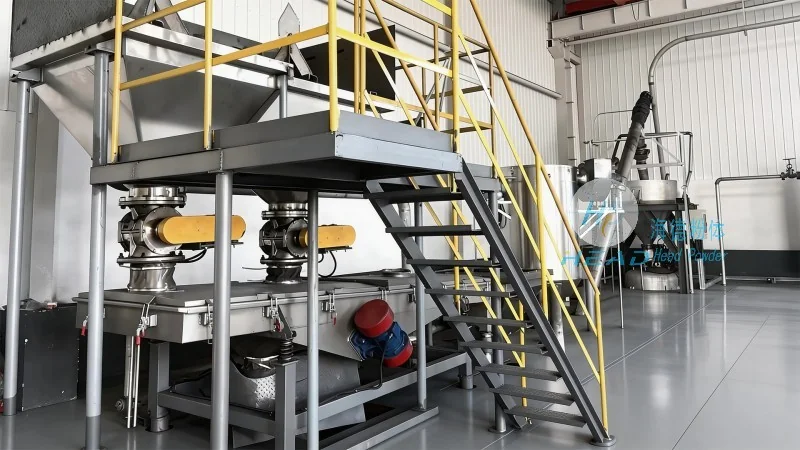
Silage pneumatic conveying is widely used in various agricultural and livestock operations. In dairy farms, for instance, the system efficiently transports silage from the silo to the milking parlor or feed storage, ensuring that fresh feed is available to the herd. In feed processing plants, the technology enables the seamless integration of silage with other ingredients, such as grains or proteins, to create balanced animal feed. The benefits of this method include reduced labor costs, improved feed quality, and enhanced operational efficiency compared to traditional methods like manual loading or truck transport.
Conclusion
HeadPowder Engineering Co., Ltd., based in Shandong, China, provides comprehensive solutions for silage material pneumatic conveying, combining advanced engineering with practical application knowledge. By understanding the principles and working scene characteristics of this technology, agricultural operations can optimize their feed handling processes, ensuring efficient, hygienic, and cost-effective management of silage for livestock feeding.