

Principles and Application Scenarios of Compound Fertilizer Pneumatic Conveying
Compound fertilizer pneumatic conveying represents a sophisticated method for transporting bulk solid materials, particularly in the fertilizer sector. This technology utilizes air pressure to move granular or powdered fertilizers through a pipeline system, offering significant advantages over traditional mechanical conveying methods. The core principle is centered on creating a pressure differential that propels the material, either by pushing it with compressed air (pressure system) or pulling it with a vacuum (vacuum system). The efficiency of the process depends on several factors, including the particle size distribution, moisture content, and the distance to be covered, all of which influence the air flow rate and system design.
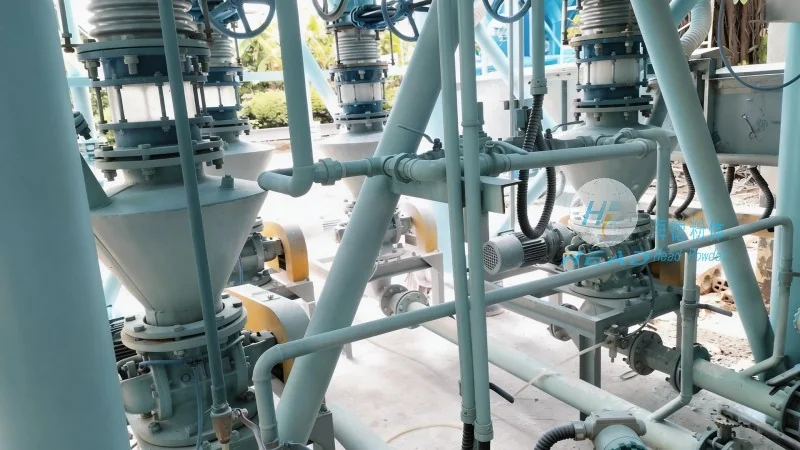
Core Principles and System Design
The fundamental principle of pneumatic conveying for compound fertilizers is based on the physics of fluid dynamics and particle movement. When air is introduced into the conveying line, it creates a flow that lifts and transports the solid particles. The system typically consists of a hopper for material storage, a conveyor line (pipeline) with appropriate diameter and slope, and a discharge unit at the receiving end. The air flow is controlled by a blower or vacuum pump, and the pressure or vacuum level is adjusted to match the material's characteristics and the required conveying distance. For compound fertilizers, which often have a mix of different nutrients and varying particle sizes, the system must be designed to handle these variations without causing segregation or caking. This involves selecting the right air velocity, pipeline diameter, and system configuration to ensure smooth and continuous flow. The design also considers factors like the potential for material buildup in bends or elbows, which can lead to blockages and reduced efficiency. Proper maintenance and monitoring of the system are essential to prevent such issues and maintain optimal performance.
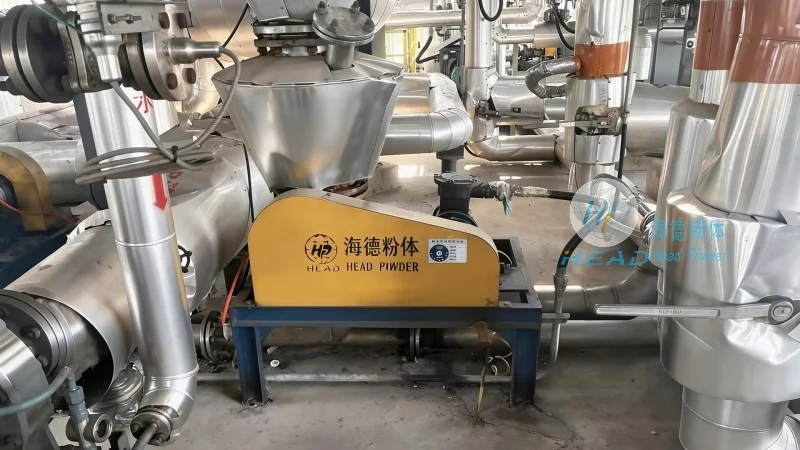
Common Application Scenarios and Operational Benefits
Pneumatic conveying for compound fertilizers is widely employed in various industrial and agricultural settings, providing efficient material handling solutions. A primary application is in the internal logistics of fertilizer manufacturing plants, where the system transports raw materials from storage silos to processing units. This automated process reduces labor costs, minimizes the risk of dust exposure, and ensures consistent material flow, which is critical for maintaining production efficiency. Another key scenario is in the loading and unloading of bulk fertilizer at distribution centers or ports. The technology allows for rapid transfer of fertilizer from storage tanks or silos to trucks or ships, streamlining the logistics chain and improving delivery times. This is particularly advantageous for large-scale operations, as it eliminates the need for manual handling and reduces the time required for loading operations. Additionally, pneumatic conveying is used in agricultural settings for distributing fertilizer from storage facilities to application sites, though this is more common in smaller-scale or localized operations. The operational benefits of this method include improved safety, reduced energy consumption compared to some mechanical systems, and the ability to handle materials in a dust-free environment, which enhances worker health and product quality.
Workplace Characteristics and Safety Measures
The work environment for pneumatic conveying systems in compound fertilizer applications is characterized by the handling of bulk materials, which can generate dust and pose respiratory health risks. Consequently, safety is a top priority in the design and operation of these systems. Enclosed conveying lines and filtration systems are typically incorporated to minimize dust emissions and maintain air quality. The equipment is also designed to prevent material buildup and blockages, which can lead to pressure surges or equipment failure. Regular maintenance, including cleaning of the pipeline and inspection of components, is essential to ensure the system operates smoothly and safely. The use of pneumatic conveying also reduces physical strain on workers, as the material handling process is automated, making it more ergonomic and less labor-intensive. However, operators must still follow safety protocols, such as wearing protective equipment and ensuring proper ventilation, to mitigate any risks associated with the handling of bulk materials.
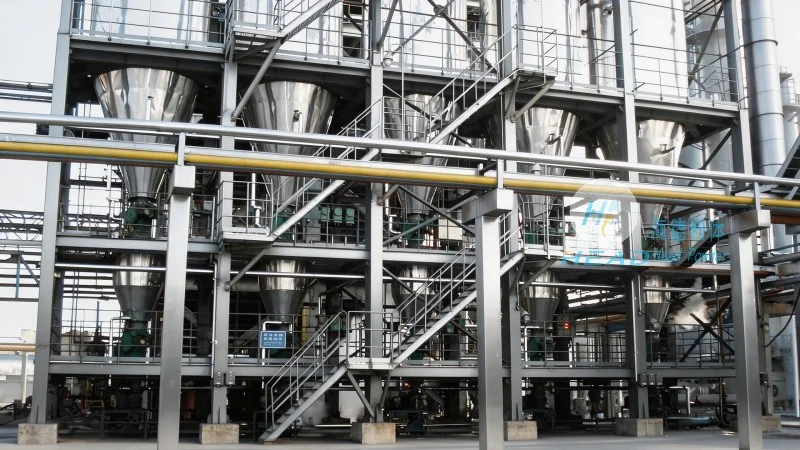
Introduction to Shandong HeadPowder Engineering Co., Ltd.
Shandong HeadPowder Engineering Co., Ltd. is a prominent engineering firm specializing in the design, development, and implementation of pneumatic conveying systems for the fertilizer industry. HeadPowder has established itself as a leader in providing customized solutions that meet the specific requirements of compound fertilizer processing and distribution. The company leverages advanced engineering principles and years of industry experience to deliver high-performance systems that enhance operational efficiency and reduce costs for clients. HeadPowder's facilities are located in Shandong, China, where it benefits from a strong industrial base and access to skilled workforce and technology. The company's commitment to innovation and customer satisfaction is reflected in its product range, which includes a variety of pneumatic conveying systems tailored to different material types and application needs. By focusing on material flow optimization and system reliability, HeadPowder helps fertilizer manufacturers and distributors improve their material handling processes, ensuring consistent product quality and operational excellence. With a reputation for quality and service, HeadPowder is a trusted partner in the global fertilizer processing sector, dedicated to advancing the industry through advanced engineering solutions.