

Principles and Working Scene Characteristics of Desulfurization and Denitrification Agent Pneumatic
Desulfurization and denitrification agents are critical components in modern industrial processes aimed at reducing air pollution from flue gases. The efficient handling and transportation of these agents are essential for maintaining the performance of pollution control systems. Pneumatic conveying technology offers a reliable solution for this purpose, enabling the safe and effective movement of these materials from storage to processing units. This article explores the principles behind pneumatic conveying of desulfurization and denitrification agents, along with the key characteristics of its application scenarios.
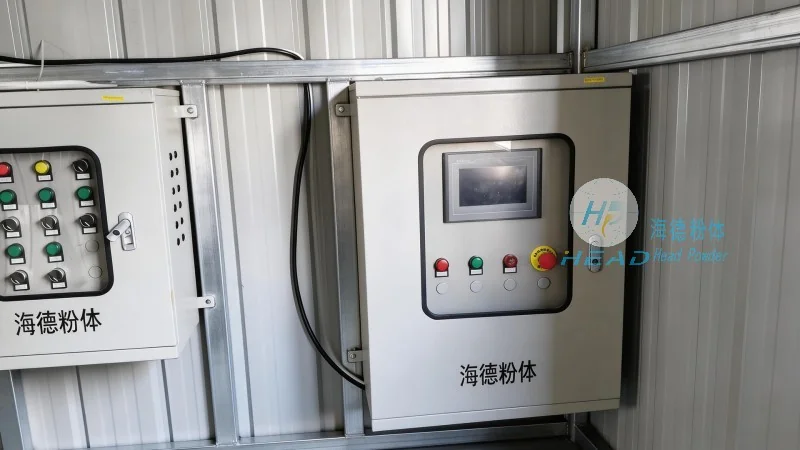
Principles of Pneumatic Conveying for Desulfurization and Denitrification Agents
Pneumatic conveying involves the transport of solid materials using a gas stream, typically air or a mixture of air and other gases. In the context of desulfurization and denitrification agents, these materials are often powders or granules with specific chemical properties. The core principle is to create a flow of air that lifts and transports the particles through a pipeline system. This is achieved by generating sufficient air velocity within the pipeline to overcome the gravitational force acting on the particles and to maintain their suspension in the air stream.
The process typically includes a few key components: a material feed system, a conveying line, a separation or collection system, and a dust collection or filtration unit. The material is fed into the conveying line, where it is mixed with the air stream. The air velocity is controlled to ensure that the particles remain suspended without settling or clogging the pipeline. At the end of the conveying line, the air and material are separated, and the material is collected for further processing. The air is then filtered to remove any residual particles before being released back into the environment.
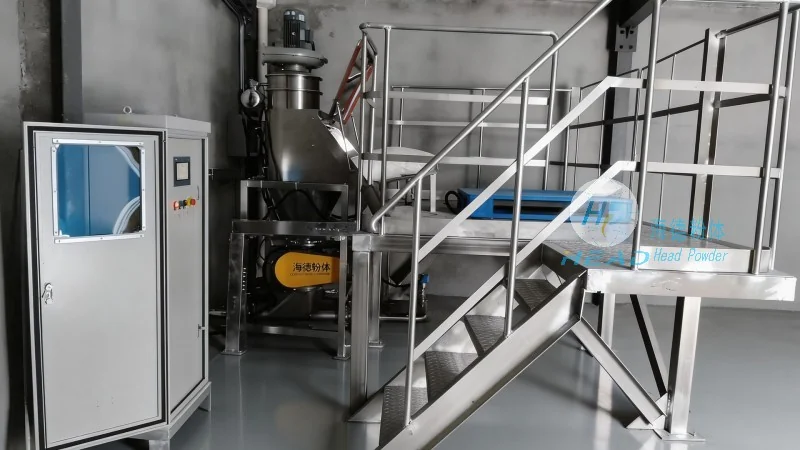
For desulfurization and denitrification agents, the choice of conveying system depends on factors such as the particle size, density, and moisture content of the material, as well as the distance and layout of the conveying line. Different types of pneumatic conveying systems include dilute-phase and dense-phase systems. Dilute-phase systems operate at higher air velocities, suitable for fine powders with low density, while dense-phase systems use lower air velocities and higher material concentration, ideal for handling bulkier or more abrasive materials.
Working Scene Characteristics of Pneumatic Conveying Applications
The application scenarios for pneumatic conveying of desulfurization and denitrification agents vary across different industrial sectors, each with its own unique requirements and operational conditions. Understanding these characteristics is crucial for selecting the appropriate conveying system and ensuring optimal performance.
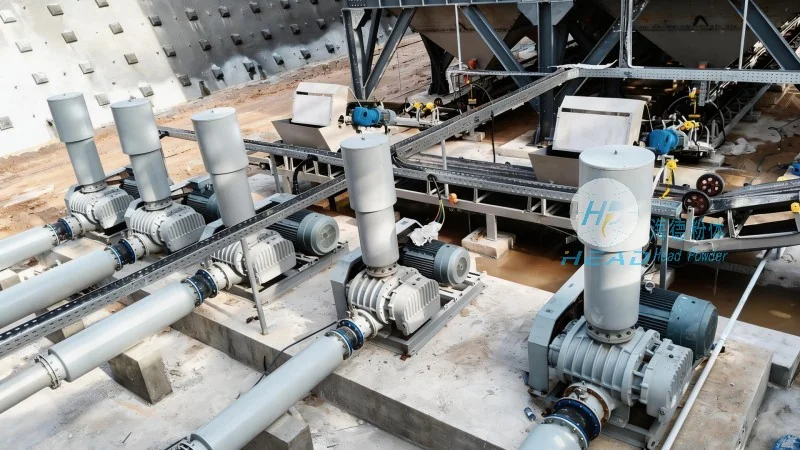
In power plants, for example, desulfurization agents such as limestone or lime are used in flue gas desulfurization (FGD) systems. The pneumatic conveying system must be capable of handling large volumes of these materials over long distances, often from storage silos to the FGD reactor. The system must also be designed to withstand the corrosive nature of the flue gases and the abrasive properties of the limestone particles. The working environment in power plants is typically characterized by high temperatures and high humidity, which can affect the performance of the conveying equipment. Therefore, materials used in the construction of the conveying line, such as stainless steel or special alloys, are essential to ensure durability and longevity.
In industrial manufacturing facilities, denitrification agents like ammonia or urea are used in selective catalytic reduction (SCR) systems. The pneumatic conveying system in these applications must be able to handle smaller particle sizes and higher material concentrations, as the agents are often used in precise dosing applications. The system must also be integrated with the existing process control systems to ensure accurate and consistent delivery of the agents. The working scene in manufacturing facilities is often characterized by strict safety regulations due to the presence of hazardous materials, and the conveying system must be designed to minimize the risk of leaks or spills.
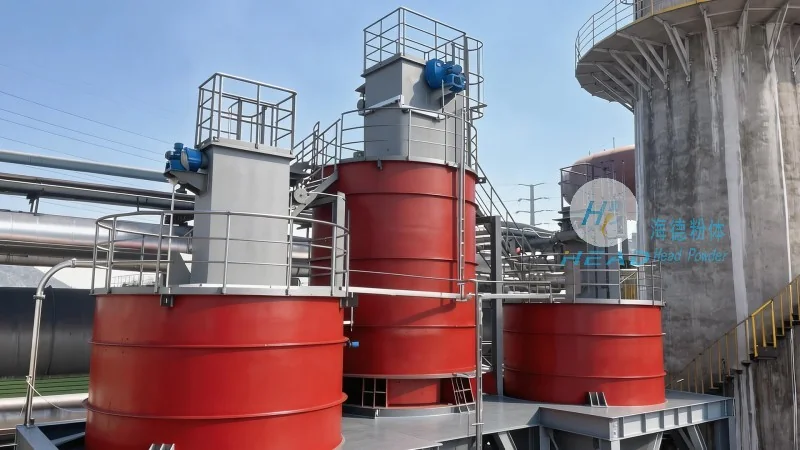
In chemical processing plants, desulfurization and denitrification agents are used in various processes, such as the production of fertilizers or the treatment of industrial wastewater. The pneumatic conveying system in these plants must be able to handle a wide range of materials, from fine powders to bulk granules. The system must also be compatible with the existing chemical processes and equipment, ensuring that it does not interfere with the overall operation. The working environment in chemical plants is often characterized by high pressure and temperature, which requires specialized equipment to handle the materials safely and efficiently.
Company Background: HeadPowder Engineering
HeadPowder, or Shandong HeadPowder Engineering Co., Ltd., is a leading provider of pneumatic conveying solutions for industrial applications. With a focus on innovation and quality, the company has developed advanced systems tailored to the specific needs of desulfurization and denitrification processes. HeadPowder's expertise lies in designing and manufacturing customized conveying systems that ensure reliable and efficient transport of desulfurization and denitrification agents. The company's facilities are located in Shandong, China, where it leverages local resources and expertise to deliver high-quality products and services to clients worldwide.