

Principle and Working Scene Characteristics of Bulk Bag Unpacking Pneumatic Conveying System
For industries dealing with bulk materials, efficient material handling is crucial to operational efficiency and cost management. The bulk bag unpacking pneumatic conveying system offers a sophisticated solution that streamlines the process of transferring materials from bulk bags to processing equipment. This system integrates advanced technology to ensure reliable, low-maintenance operation across various industrial applications.
Principle of Operation
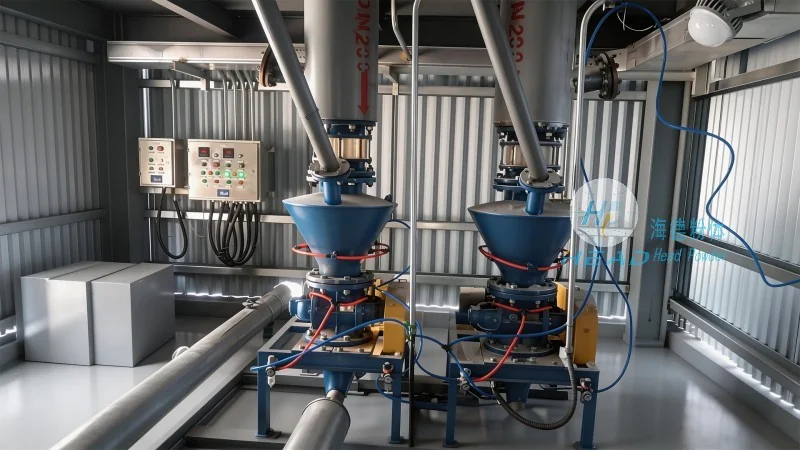
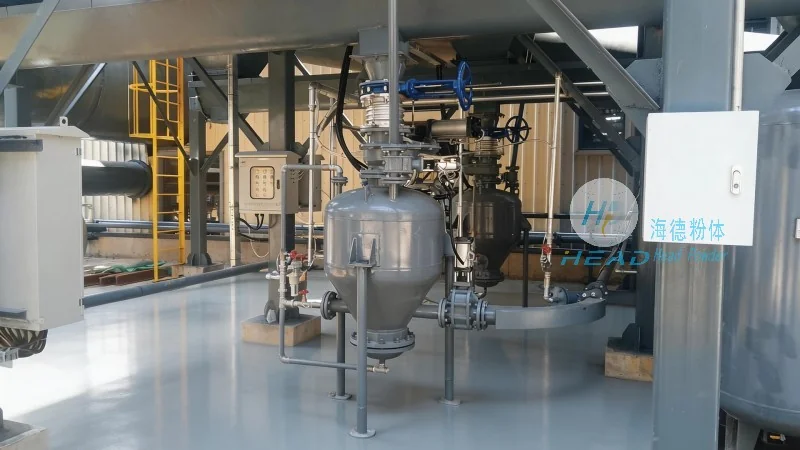
The core of the bulk bag unpacking pneumatic conveying system lies in its pneumatic conveying technology, which uses air as the medium to transport bulk materials. The system typically consists of several key components: a bulk bag discharger, a pneumatic conveying line, a dust collection system, and a material receiver. When a bulk bag is placed on the discharger, the system first opens the bag's top and discharges the material into a hopper. Simultaneously, a vacuum or pressure air stream is generated to draw the material from the hopper through the conveying line to the destination point. The dust collection system ensures that the process is clean and compliant with environmental regulations. This integrated approach minimizes manual intervention and reduces the risk of material spillage or contamination. The system's design allows for precise control of air flow and material velocity, ensuring consistent and efficient transfer. Advanced sensors and control systems further enhance performance by monitoring pressure, flow, and material level in real-time, enabling automatic adjustments to maintain optimal operation.
Working Scene Characteristics
The bulk bag unpacking pneumatic conveying system is designed to meet the diverse needs of industrial environments. Its adaptability makes it suitable for various working scenes, including manufacturing plants, chemical processing facilities, food and beverage processing lines, and pharmaceutical production sites. In manufacturing plants, the system efficiently handles raw materials such as powders, granules, and pellets, ensuring a continuous supply to production lines. In chemical processing, it supports the transfer of hazardous or sensitive materials with high precision, maintaining safety standards. For food and beverage applications, the system’s hygienic design and easy cleaning features are critical, as it must comply with strict food safety regulations. In pharmaceutical production, the system’s ability to handle sterile materials and maintain contamination-free conditions is essential. Additionally, the system’s scalability allows it to be customized for different bag sizes and material types, making it a versatile solution for a wide range of industrial needs. The system can handle materials with varying properties, including fine powders, coarse granules, and even sticky substances, thanks to its adjustable conveying parameters and specialized equipment. This flexibility ensures that it can be integrated into existing workflows without significant modifications.