

Principle and Working Scene Characteristics of Copper Powder Pneumatic Conveying Systems
HeadPowder, a leading engineering company based in Shandong, China, specializes in the design and implementation of advanced pneumatic conveying systems tailored for handling copper powders. These systems represent a sophisticated solution for the efficient and safe transportation of copper powders, which are widely used in various industrial applications such as electronics, metallurgy, and chemical processing. The following discussion will delve into the fundamental principles of these systems and explore the key characteristics of their operational environments.
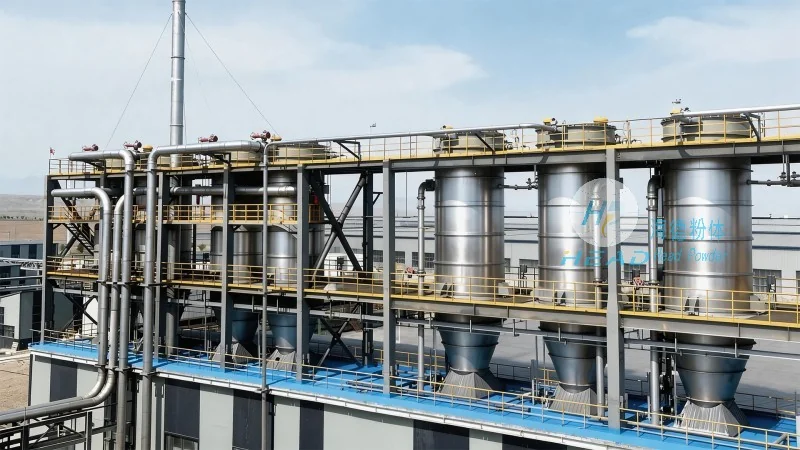
The Working Principle of Pneumatic Conveying for Copper Powders
The core mechanism of a copper powder pneumatic conveying system involves the use of air or other gases to transport particulate materials like copper powder through a pipeline. This process typically operates under either positive pressure (pressure conveying) or negative pressure (vacuum conveying), depending on the specific requirements of the application. In pressure conveying systems, a blower or compressor generates a high-pressure air stream that propels the copper powder particles through the pipeline. The air flow is carefully controlled to maintain a stable and uniform flow of the powder, preventing issues such as clogging or particle degradation. Conversely, vacuum conveying systems utilize a vacuum pump to create a low-pressure environment that draws the copper powder from the source into the pipeline. Both methods rely on the principles of fluid dynamics and particle behavior to ensure effective and reliable material transport.
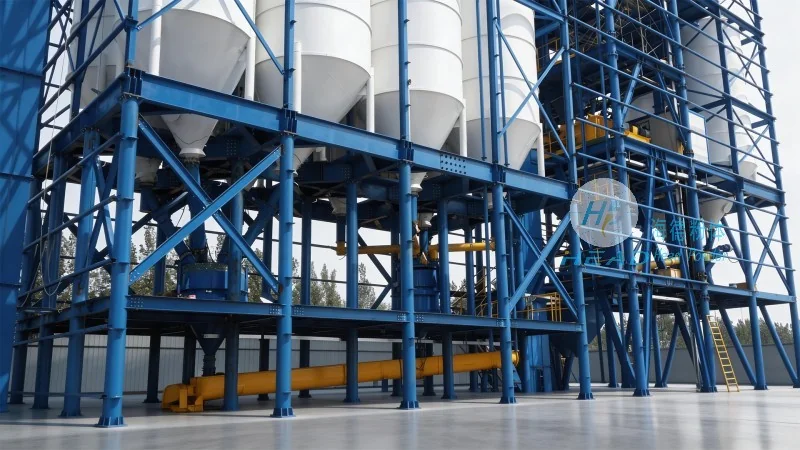
Key Characteristics of Working Scenes for Copper Powder Conveying
The operational environments for copper powder pneumatic conveying systems exhibit distinct characteristics that influence system design and performance. Firstly, the material properties of copper powder, including its particle size distribution, density, and flowability, play a critical role in determining the optimal conveying parameters. Copper powders are often fine and abrasive, which can lead to wear on system components if not properly managed. Therefore, system designers must consider materials with high wear resistance, such as stainless steel or specialized alloys, to ensure longevity and maintain product quality. Secondly, the scale of the operation is a significant factor. From small-scale laboratory applications to large-scale industrial production lines, the system's capacity and throughput must be matched to the production requirements. This involves selecting appropriate pipeline diameters, air flow rates, and pressure levels to accommodate varying material volumes. Thirdly, the environmental conditions within the working scene, such as temperature and humidity, can impact the performance of the conveying system. For instance, high temperatures may cause the copper powder to agglomerate, while excessive humidity can lead to moisture absorption and material degradation. Thus, proper environmental control measures, such as temperature regulation and moisture-proofing, are essential to maintain system efficiency and product integrity.
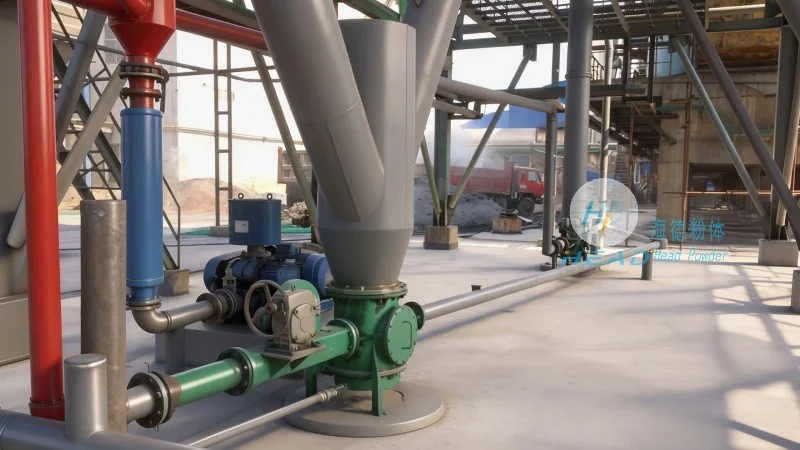
Applications and Advantages in Industrial Settings
Copper powder pneumatic conveying systems find extensive applications across various industrial sectors. In the electronics industry, these systems are crucial for transporting copper powders used in the production of printed circuit boards (PCBs) and other electronic components. The precision and cleanliness of the conveying process are vital to prevent contamination and ensure the quality of the final products. In metallurgy, copper powders are used in the manufacturing of copper alloys and metal powders for additive manufacturing. The ability of pneumatic conveying systems to handle fine powders with minimal loss and contamination makes them ideal for these applications. Additionally, in chemical processing, copper powders are used as catalysts or raw materials in various chemical reactions. The advantages of using pneumatic conveying systems in these scenarios include improved safety, as the material is transported in a closed system, reducing exposure risks for operators. Furthermore, the systems offer high efficiency and flexibility, allowing for easy integration into existing production lines and adaptation to changing production demands.
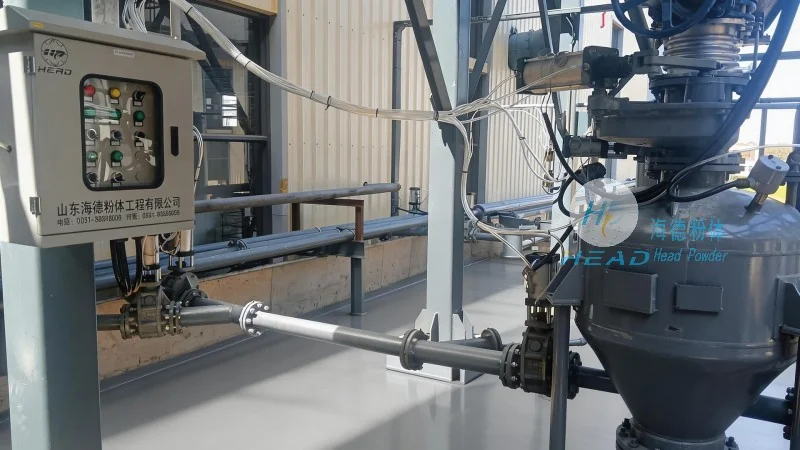
Conclusion and Company Overview
HeadPowder Engineering Co., Ltd., with its headquarters in Shandong, China, is a trusted provider of specialized engineering solutions for copper powder pneumatic conveying systems. By leveraging advanced technology and a deep understanding of material handling principles, the company designs and implements systems that meet the unique needs of its clients. The principles and characteristics discussed above highlight the importance of tailored system design in ensuring efficient, safe, and reliable copper powder transportation. As industries continue to demand higher precision and productivity, the role of advanced pneumatic conveying systems will remain critical in the handling of copper powders. HeadPowder's commitment to innovation and quality ensures that its systems contribute to the success of its clients in various industrial applications.