

Principle and Working Scene Characteristics of Magnesia Sand Pneumatic Conveying Systems
For industrial applications involving magnesia sand, efficient material handling is crucial to ensure smooth production processes and maintain operational efficiency. Pneumatic conveying systems have emerged as a reliable solution for transporting such bulk materials, offering advantages in terms of flexibility, safety, and cost-effectiveness. This article explores the fundamental principles behind magnesia sand pneumatic conveying systems and highlights the key characteristics of their working environments, presented by Shandong HeadPowder Engineering Co., Ltd., a leading provider of industrial material handling solutions based in Shandong, China.
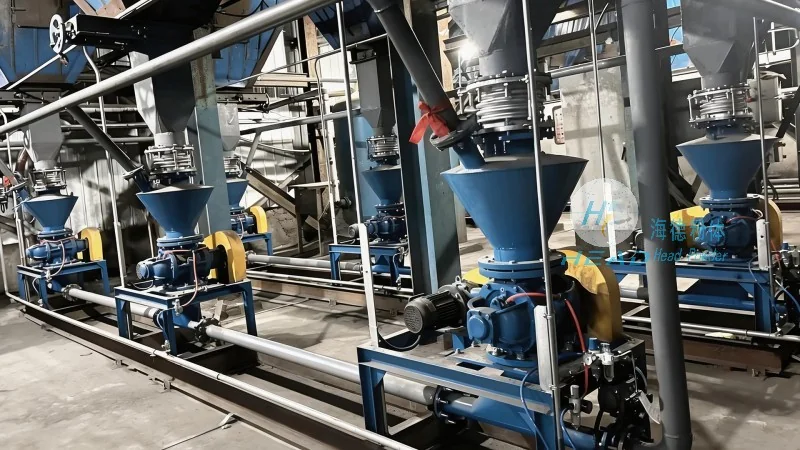
Introduction to Magnesia Sand Pneumatic Conveying Systems
Magnesia sand, a high-purity form of magnesium oxide, is widely used in various industrial sectors, including refractory production, chemical manufacturing, and construction materials. Handling this material requires specialized equipment due to its abrasive nature and the need for precise control over particle flow. Pneumatic conveying systems provide an effective method to transport magnesia sand from storage silos, processing units, or production lines to the next stage of manufacturing without the need for mechanical components like belts or buckets.
The Core Principle of Pneumatic Conveying
The fundamental principle of pneumatic conveying involves using air or other gases to transport bulk materials through a pipeline system. In the case of magnesia sand, the system typically operates under pressure, where compressed air is introduced into the conveying line to create a flow that propels the sand particles. This method is known as pressure pneumatic conveying, which is particularly suitable for materials like magnesia sand due to its ability to handle fine powders and abrasive particles without causing excessive wear on equipment.
Key components of a magnesia sand pneumatic conveying system include the material feed hopper, which holds the sand and regulates its discharge into the conveying line; the air compressor, which generates the necessary pressure to move the material; the conveying pipeline, which transports the sand and air mixture; and the receiving hopper or discharge point, where the material is collected for further processing. The system may also incorporate additional components such as filters, cyclones, or rotary valves to ensure efficient separation of air from the sand and to control the flow of material.
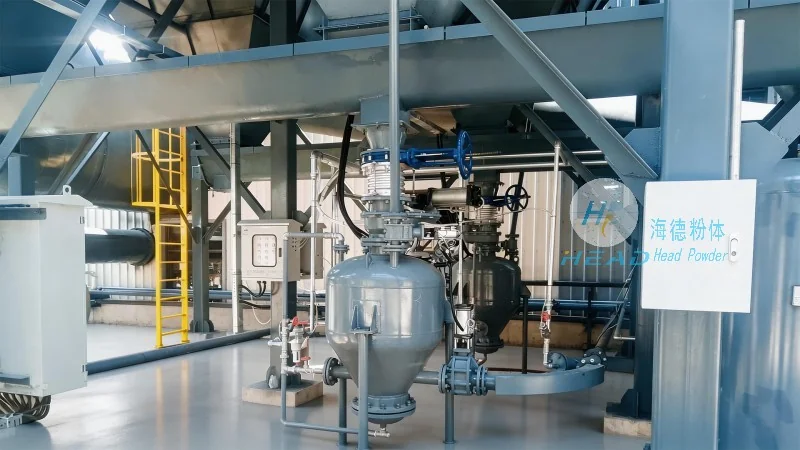
Working Scene Characteristics of Magnesia Sand Pneumatic Conveying
The working environment of magnesia sand pneumatic conveying systems is characterized by several factors that influence system performance and operational efficiency. These characteristics include the nature of the material being conveyed, the scale of the operation, and the specific industrial application.
Firstly, the abrasive and fine nature of magnesia sand requires specialized equipment to minimize wear and maintain system longevity. The conveying system must be designed with materials that can withstand the abrasive action of the sand particles, such as stainless steel or high-grade alloys, to prevent premature failure of components like pipelines and valves.
Secondly, the scale of the operation plays a significant role in determining the system's design. For large-scale industrial applications, such as in refractory production plants, the pneumatic conveying system may need to handle high volumes of magnesia sand, often requiring multiple pipelines or a larger air compressor to ensure consistent material flow. In contrast, smaller-scale operations may use a more compact system with lower air pressure and reduced material throughput.
Thirdly, the specific industrial application dictates the working conditions of the system. For example, in a chemical manufacturing plant, the magnesia sand may be used as a raw material in the production of magnesium-based compounds, and the pneumatic conveying system must be integrated with other processing equipment to ensure seamless material transfer. In construction material production, the sand may be used to create refractory bricks or other building materials, requiring the system to handle varying particle sizes and moisture content.
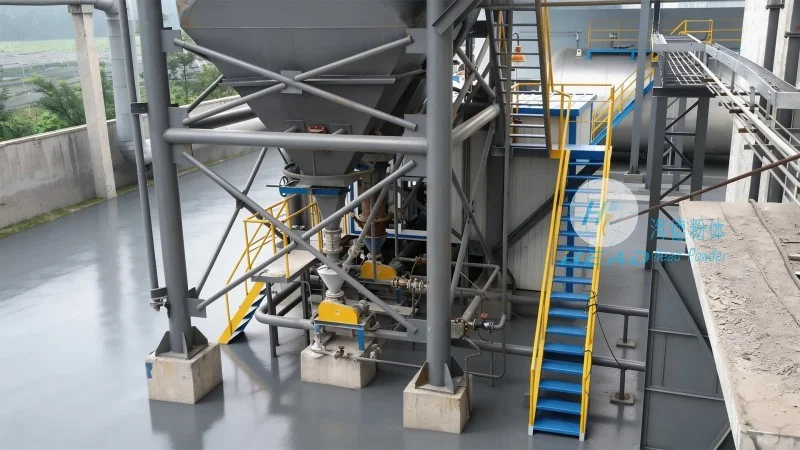
Advantages and Considerations in Magnesia Sand Pneumatic Conveying
Pneumatic conveying systems for magnesia sand offer several advantages over traditional mechanical conveying methods. These include reduced labor costs, as the system can operate automatically without the need for manual handling; improved safety, as the material is contained within a sealed pipeline, minimizing dust exposure and the risk of accidents; and enhanced flexibility, as the system can be easily reconfigured to accommodate changes in production requirements or material flow patterns.
However, there are also considerations to keep in mind when implementing a magnesia sand pneumatic conveying system. One of the main challenges is the potential for material buildup or blockages in the pipeline, especially if the sand contains moisture or has high moisture content. Proper system design, including the use of filters and cyclones, is essential to prevent such issues and ensure continuous operation. Additionally, the energy consumption of the air compressor must be considered, as it represents a significant portion of the system's operational costs. Optimizing the system's design to minimize energy use can lead to long-term cost savings.
Conclusion
Magnesia sand pneumatic conveying systems represent an effective and efficient solution for handling this critical industrial material. By understanding the fundamental principles of pneumatic conveying and the specific characteristics of the working environment, industries can implement systems that maximize operational efficiency, ensure material quality, and reduce costs. As technology continues to advance, further improvements in system design and materials may enhance the performance of these systems, making them even more suitable for a wide range of industrial applications.