

Principle and Working Scene Characteristics of Polystyrene Pneumatic Conveying Systems
Polystyrene, a widely used thermoplastic, is often handled in bulk quantities across various industries. The efficient and safe transportation of this material is crucial for industrial operations. Pneumatic conveying systems offer a reliable solution for moving polystyrene from storage to processing or packaging areas. This article explores the fundamental principles of polystyrene pneumatic conveying systems and highlights the key characteristics of their operational environments.
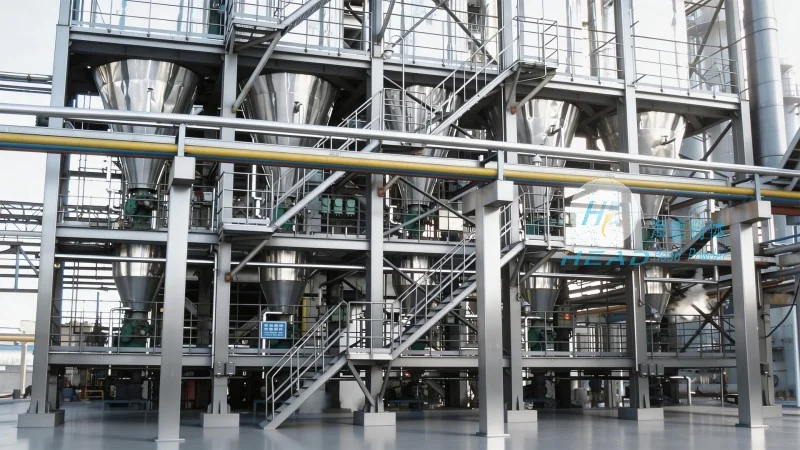
Company Introduction
Shandong HeadPowder Engineering Co., Ltd., based in Shandong, China, specializes in the design, manufacturing, and installation of advanced material handling systems. With a focus on innovation and customer satisfaction, the company provides tailored solutions for diverse industrial needs. Their expertise in pneumatic conveying technology ensures that clients receive systems optimized for efficiency, durability, and safety.
Principle of Pneumatic Conveying Systems
Pneumatic conveying systems utilize compressed air or other gases to transport solid materials like polystyrene through a network of pipes. The core principle involves creating a pressure differential that propels the material along the pipeline. There are two main types of pneumatic conveying: pressure and vacuum systems. Pressure systems use positive pressure to push material from a source to a destination, while vacuum systems create a negative pressure to draw material into the system. For polystyrene, which is often lightweight and can be abrasive, the choice of system depends on factors such as material flow rate, distance, and the need for containment.
Key Characteristics of Polystyrene Pneumatic Conveying
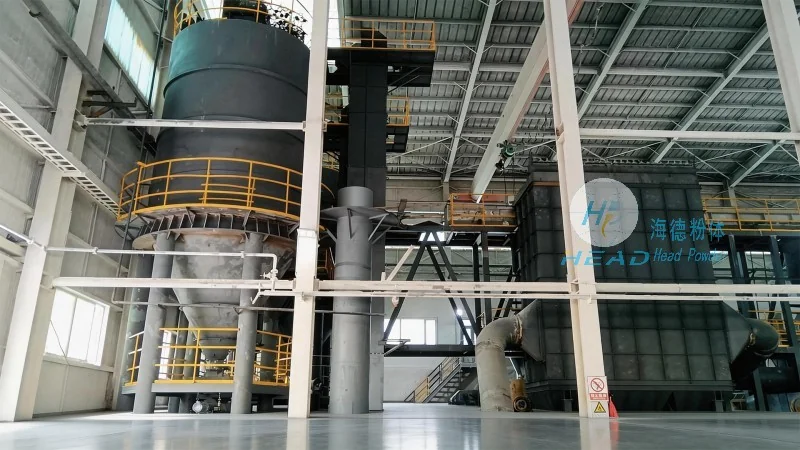
Polystyrene has unique properties that influence the design and operation of pneumatic conveying systems. Its low density and relatively low bulk density mean that higher air velocities are required to maintain material transport. Additionally, polystyrene can be hygroscopic in some forms, which may affect its flow characteristics and the need for moisture control within the system. The system must also address potential issues like material segregation or blockages, especially when dealing with irregularly shaped or lightweight particles. HeadPowder Engineering's systems are engineered to handle these challenges, ensuring consistent and reliable performance.
Working Scene Characteristics
The operational environments for polystyrene pneumatic conveying systems vary across industries. In the packaging sector, these systems are commonly used to move polystyrene pellets or beads from storage silos to extrusion or molding machines. The systems must be designed to minimize dust generation and maintain clean air quality, as polystyrene is often used in food packaging applications where contamination is a concern. In the chemical and manufacturing industries, the systems may be integrated with other processing equipment, requiring seamless coordination between material transport and production lines. The working scenes also include considerations for space constraints, as industrial facilities often have limited room for large conveying equipment. HeadPowder Engineering's solutions are adaptable to these diverse environments, providing flexible and space-efficient designs that meet specific operational requirements.
Efficiency and Safety in Operational Environments
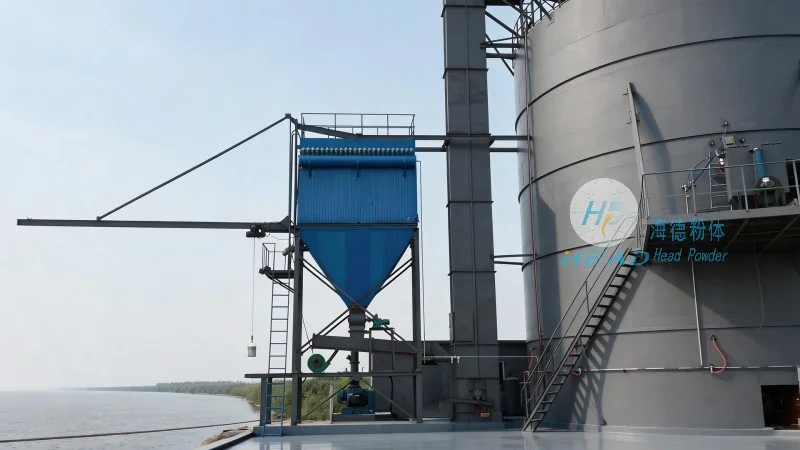
Efficiency is a critical factor in the design of polystyrene pneumatic conveying systems. The systems must minimize energy consumption while maintaining high material throughput. This involves optimizing air pressure, flow rates, and pipeline design to reduce energy waste and operational costs. Safety is equally important, as pneumatic conveying systems can pose risks such as dust explosions or material entrapment. HeadPowder Engineering incorporates safety features like explosion-proof components, dust collection systems, and emergency shut-off mechanisms to mitigate these risks. The working scenes are designed to comply with industry standards and regulations, ensuring that the systems operate safely and reliably in various industrial settings.
Conclusion
Pneumatic conveying systems are essential for the efficient handling of polystyrene in industrial applications. The principles of these systems, combined with the specific characteristics of polystyrene, dictate the design and operation of effective material transport solutions. Shandong HeadPowder Engineering Co., Ltd. leverages its expertise to provide customized pneumatic conveying systems that meet the unique needs of their clients, ensuring optimal performance, safety, and efficiency in diverse working environments.