

Principle and Working Scene Characteristics of Pneumatic Conveying Systems for Lithium-Ion Battery M
HeadPowder, a leading provider in the field of material handling solutions, specializes in the design, manufacturing, and implementation of advanced pneumatic conveying systems tailored for the lithium-ion battery material industry. This article delves into the fundamental principles behind these systems and highlights the key working scene characteristics that define their effectiveness and application in modern battery production facilities.
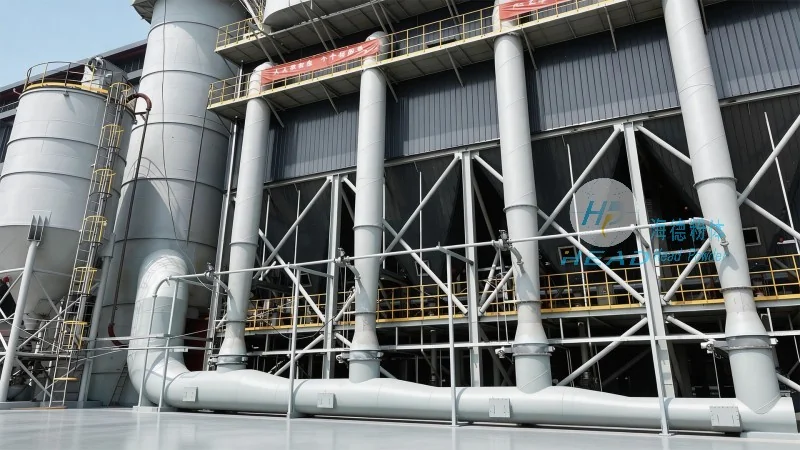
Understanding the Core Principle of Pneumatic Conveying Systems
Pneumatic conveying systems operate on the principle of transporting bulk materials through a pipeline using a pressurized or vacuum air stream. In the context of lithium-ion battery materials, such as lithium carbonate, lithium hydroxide, graphite, and other powders used in cathode and anode production, these systems efficiently move raw materials from storage silos or processing units to the next stage of manufacturing. The system typically consists of a hopper, a conveyor line, and a control unit that regulates air pressure and flow. By utilizing air as the conveying medium, the system eliminates the need for mechanical components like belts or buckets, reducing maintenance requirements and minimizing the risk of material contamination. This principle is particularly advantageous for handling sensitive materials that require a clean and controlled environment, which is critical in battery manufacturing to ensure product quality and consistency.
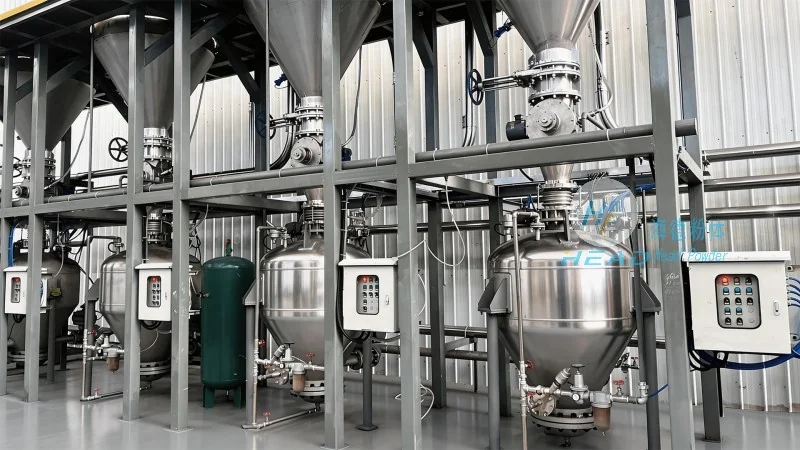
Key Working Scene Characteristics of Lithium-Ion Battery Material Pneumatic Conveying
The working scene characteristics of pneumatic conveying systems for lithium-ion battery materials are shaped by several factors, including material properties, system design, and operational environment. Firstly, the system must accommodate a wide range of material types, from fine powders to larger granules, with varying moisture content and flowability. The design of the conveying line, including the choice of pipeline diameter, material of construction (often stainless steel to prevent corrosion), and the integration of filters and cyclones, is critical to ensure efficient and reliable material transport. Secondly, the system operates in a high-purity environment, as any contamination from the conveying process could compromise the battery's performance and lifespan. Therefore, features like dust collection systems and air filtration are essential to maintain a clean working environment. Thirdly, the system's scalability is a key characteristic, as battery production facilities often require the ability to handle increasing material volumes as production scales up. The modular design of these systems allows for easy expansion and integration with existing production lines, ensuring flexibility and adaptability to changing production demands.
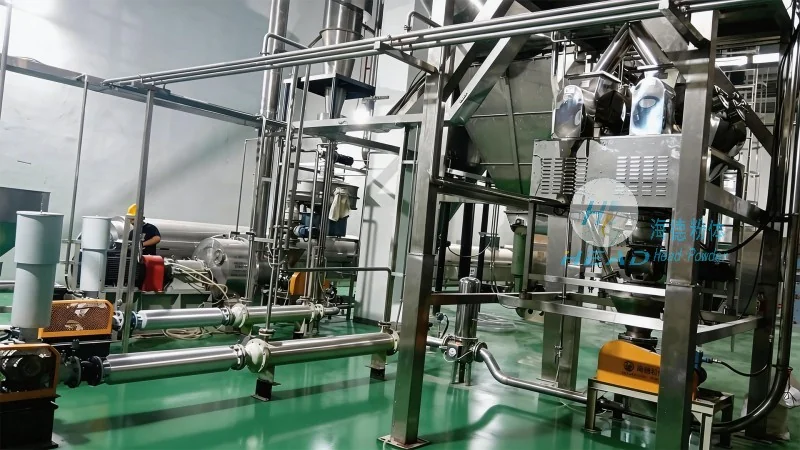
Application Scenarios and Operational Efficiency
The application scenarios for pneumatic conveying systems in lithium-ion battery manufacturing are diverse and critical to the overall production process. One common scenario is the transfer of raw materials from bulk storage to processing units, such as mixing and grinding equipment. This step is crucial for preparing the materials to the desired particle size and composition for battery cell production. Another scenario involves the internal transport of materials within a production line, such as moving cathode or anode materials from one processing stage to another, like from mixing to coating or from coating to drying. The efficiency of these systems directly impacts the production throughput, as they can handle large volumes of material at high speeds with minimal downtime. Additionally, the systems are designed to operate in a continuous mode, supporting 24/7 production schedules typical in battery manufacturing plants. This continuous operation, combined with the system's low maintenance requirements, contributes to improved operational efficiency and reduced production costs.
Advantages and Considerations in Implementing Pneumatic Conveying Systems
Implementing pneumatic conveying systems for lithium-ion battery materials offers several advantages, including improved material handling efficiency, reduced labor costs, and enhanced product quality. The systems provide a clean and controlled environment, which is essential for maintaining the purity of battery materials. Additionally, the absence of mechanical components reduces the risk of material degradation and contamination, leading to higher quality end products. However, there are also considerations to keep in mind when implementing such systems. For instance, the initial investment cost can be higher compared to traditional mechanical systems, although the long-term cost savings from reduced maintenance and increased efficiency often justify the investment. Furthermore, the system's performance is highly dependent on the proper selection of air pressure and flow rate, which requires careful engineering and system design to optimize material transport without causing excessive wear on the pipeline or components. Proper training of operators and regular maintenance are also essential to ensure the system operates at peak efficiency and longevity.
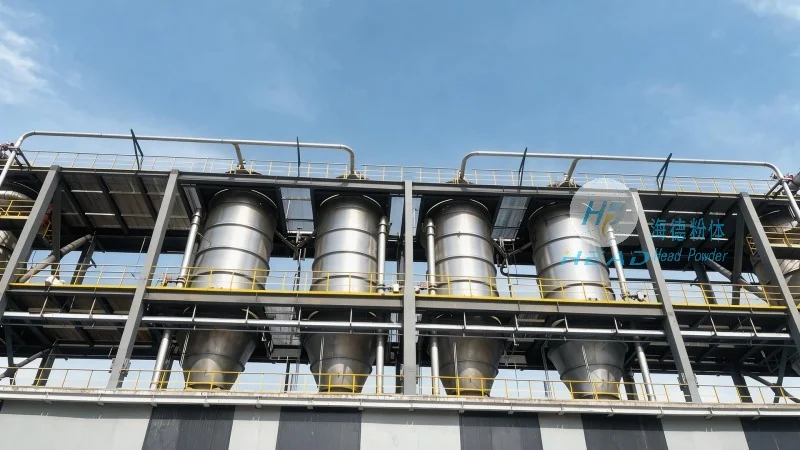
Conclusion: The Role of Pneumatic Conveying Systems in Lithium-Ion Battery Manufacturing
In conclusion, pneumatic conveying systems play a vital role in the efficient and reliable handling of lithium-ion battery materials. By understanding the core principles of these systems and the key working scene characteristics, manufacturers can optimize their material handling processes to improve productivity, reduce costs, and enhance product quality. As the demand for lithium-ion batteries continues to grow, the importance of advanced material handling solutions like pneumatic conveying systems will only increase. HeadPowder, with its expertise in engineering and manufacturing, remains committed to providing tailored solutions that meet the evolving needs of the battery industry, ensuring that material transport remains a seamless and efficient part of the production process.