

Principles and Working Scene Characteristics of Refractory Material Pneumatic Conveying Systems
Refractory material pneumatic conveying systems represent a sophisticated method for transporting bulk materials, particularly in industrial settings where traditional mechanical conveying may face limitations. These systems utilize air or other gases to move refractory powders, granules, or other particulate materials from one location to another. The technology is widely adopted in industries such as ceramics, steel, and construction due to its efficiency, flexibility, and ability to handle materials that are abrasive or have specific handling requirements.
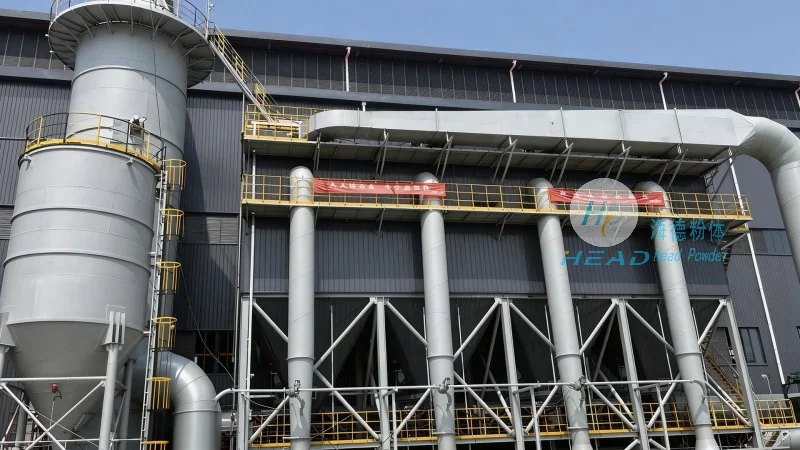
The Core Principles of Pneumatic Conveying
The fundamental principle of pneumatic conveying is the use of pressure differentials to move materials through a pipeline. There are two primary types of systems: pressure and vacuum. In pressure systems, a positive pressure is maintained throughout the pipeline, often using a blower or compressor to generate the necessary force. This method is suitable for long-distance or high-volume transport and is commonly used for abrasive or heavy materials. Vacuum systems, on the other hand, create a negative pressure at the receiving end, drawing material from the source. This approach is ideal for shorter distances or when the material is light and requires gentle handling.
Key components of a pneumatic conveying system include the material hopper, which stores the refractory material; the conveyor line, typically made of stainless steel or other corrosion-resistant materials to withstand the abrasive nature of refractory powders; and the air supply unit, which provides the necessary airflow. The system also incorporates control valves, filters, and dust collection equipment to ensure efficient operation and environmental compliance. The design of the system is critical, as it must account for the material's properties—such as particle size, density, and flowability—to optimize performance and prevent blockages or system failures.
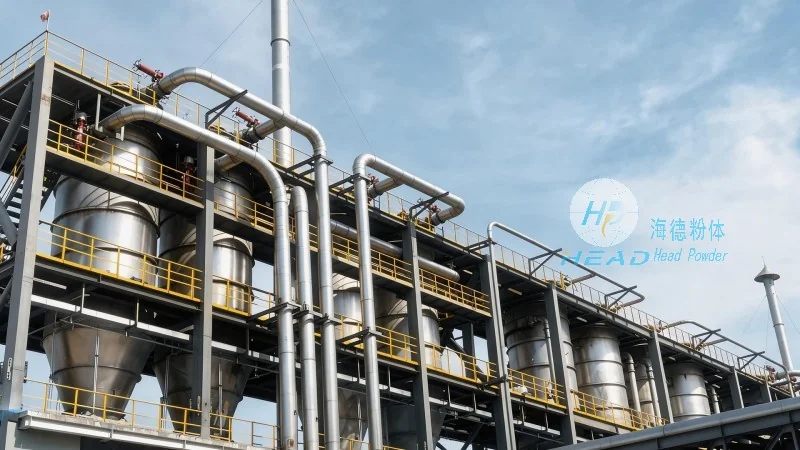
Working Scene Characteristics and Application Scenarios
The working scene characteristics of refractory material pneumatic conveying systems are shaped by the specific requirements of industrial processes. One key characteristic is the system's adaptability to different material types and particle sizes. For instance, systems can be configured to handle fine powders, such as alumina or silica, which are common in ceramic production, or larger granules, like refractory bricks or aggregates used in steel furnaces. This flexibility allows manufacturers to integrate the system into existing production lines without significant modifications.
Another important characteristic is the system's ability to operate in diverse environmental conditions. Pneumatic conveying systems are often installed in areas with high temperatures or dust exposure, making robust construction and effective dust control essential. The use of stainless steel and other durable materials ensures longevity and resistance to corrosion, while advanced filtration systems maintain air quality and prevent contamination of the refractory material. Additionally, the system's design allows for easy integration with other industrial equipment, such as mixers, kilns, or storage silos, enabling seamless material flow from extraction to processing.
Specific application scenarios vary widely across industries. In the ceramics industry, pneumatic conveying is used to transport raw materials like clay, feldspar, and quartz from storage silos to mixing and grinding units. The system's ability to handle fine powders with minimal degradation is crucial for maintaining product quality. In the steel industry, refractory materials are used to line furnaces and kilns, and pneumatic conveying systems efficiently deliver these materials to the production site, reducing manual handling and improving safety. The construction industry also benefits from these systems, as they can transport refractory aggregates for building materials, ensuring consistent quality and reducing labor costs.
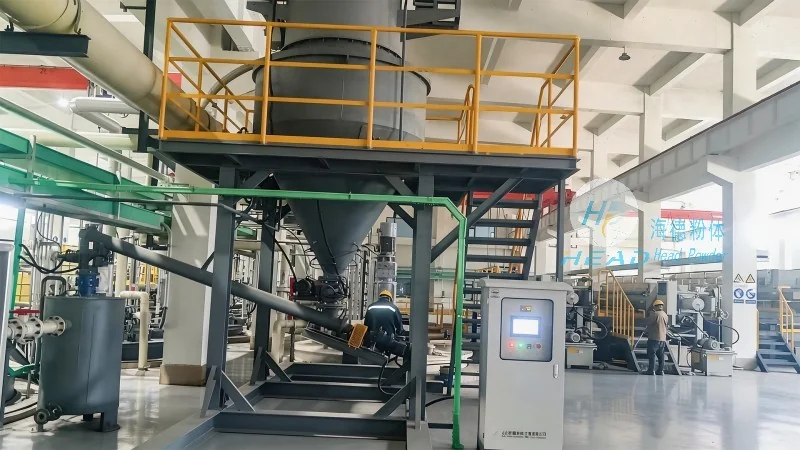
Advantages and Considerations in Practical Applications
Implementing a refractory material pneumatic conveying system offers several advantages. One of the most significant benefits is the reduction in manual labor, as the system automates the material transport process. This not only improves efficiency but also enhances workplace safety by minimizing the handling of heavy or abrasive materials. Additionally, pneumatic conveying systems can handle materials with high moisture content or those that are prone to caking, as the airflow prevents agglomeration and ensures smooth transport.
However, there are also considerations to keep in mind when selecting or operating such a system. The initial investment and maintenance costs can be higher compared to traditional mechanical conveyors, particularly for systems designed to handle abrasive or high-volume materials. Proper system design and regular maintenance are essential to prevent wear and tear on components, such as the conveyor line and air supply unit. Furthermore, the system's performance is highly dependent on the material's properties, so accurate characterization of the refractory material is critical for optimal operation.