

Principle and Working Scene Characteristics of Powder Pneumatic Conveying Equipment
Headpowder, a leading manufacturer based in Shandong, China, specializes in the design and production of advanced powder pneumatic conveying systems. These systems are engineered to efficiently transport bulk powders and granular materials over long distances with minimal maintenance and operational costs. The core principle behind pneumatic conveying involves using compressed air or other gases to create a flow that moves the material through pipelines, offering a flexible and reliable solution for various industrial applications.
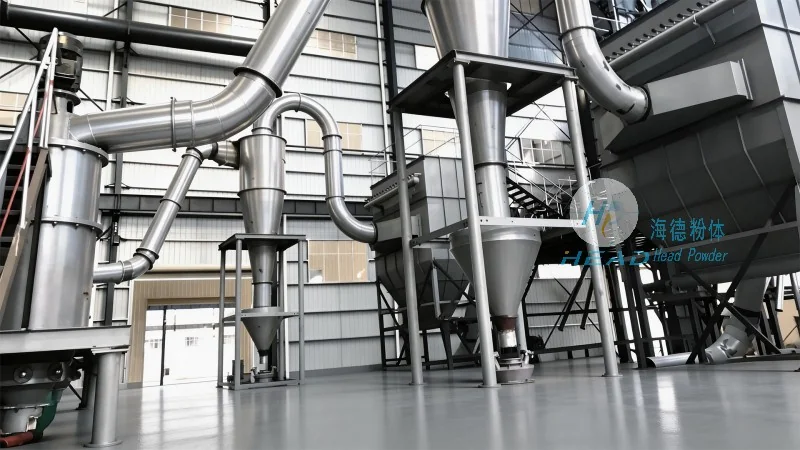
Working Principle of Pneumatic Conveying Systems
The fundamental operation of a pneumatic conveying system centers on the generation of a pressure differential. In a typical system, a blower or compressor supplies compressed air to the material feed point. As the air is introduced, it creates a low-pressure zone that draws the powder into the pipeline. The air-powder mixture then travels through the conveying line, with the velocity and pressure maintained to ensure the material remains suspended and transported to the destination. This process eliminates the need for mechanical components like conveyors or elevators, reducing friction and wear on the material and equipment.
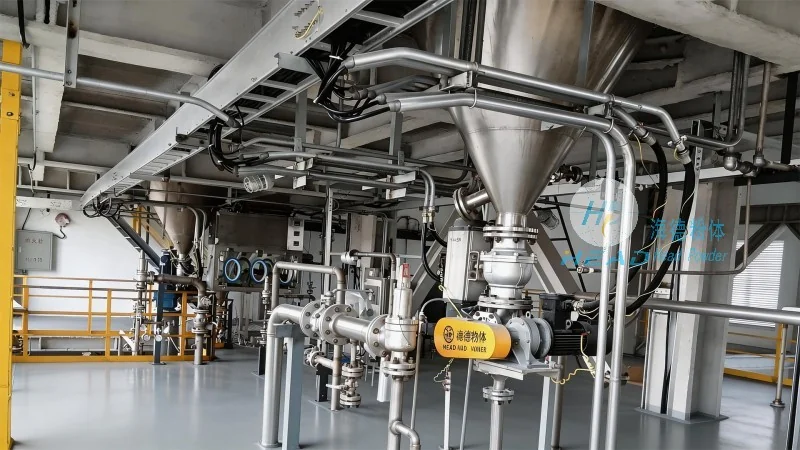
Key Components and Their Functions
Headpowder's pneumatic conveying equipment typically consists of several critical components, each playing a vital role in the system's performance. The main components include a material feeder, which controls the flow rate of the powder into the system; a conveying line, often made of stainless steel or other corrosion-resistant materials to handle various powder types; a separation or cyclone unit, which separates the air from the powder at the discharge point; and a dust collector or filter to ensure air quality compliance. Additionally, the system may incorporate pressure regulators, valves, and sensors to monitor and adjust the flow, pressure, and temperature for optimal operation.
Working Scene Characteristics and Applications
The working scene characteristics of pneumatic conveying systems are tailored to meet the demands of diverse industrial environments. These systems are particularly suitable for applications where materials need to be transported in a dust-free manner, such as in pharmaceutical, food processing, and chemical industries. The flexibility of pneumatic conveying allows for the movement of materials between different levels, floors, or even buildings, making it ideal for complex layouts. Furthermore, the system's ability to handle a wide range of particle sizes and densities makes it versatile for various bulk materials, including powders, granules, and even fine particles. Headpowder's equipment is designed to adapt to these varying requirements, ensuring efficient and reliable performance in different working scenarios.
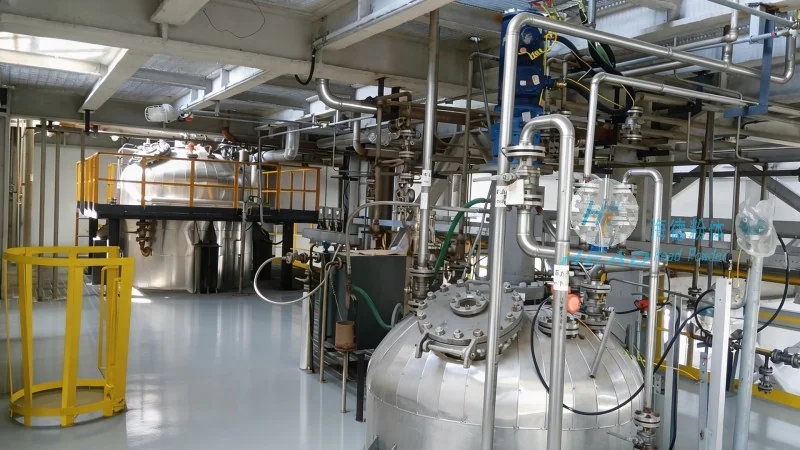
Advantages and Benefits of Pneumatic Conveying
Compared to traditional mechanical conveying methods, pneumatic conveying offers several advantages that make it a preferred choice for many industries. One of the primary benefits is the elimination of material contamination, as the system operates in a closed environment, preventing exposure to external contaminants. This is crucial for industries where product purity is paramount, such as in food and pharmaceutical manufacturing. Another advantage is the reduced risk of material degradation due to minimal friction and abrasion. Additionally, pneumatic conveying systems are more energy-efficient and require less maintenance, as they have fewer moving parts compared to mechanical conveyors. The flexibility in system design allows for easy integration into existing production lines, minimizing downtime during installation and operation.