

Principle and Working Scene Characteristics of Gypsum Sand Pneumatic Conveying Equipment
HeadPowder, a leading provider in the field of material handling solutions, specializes in the design, manufacturing, and installation of advanced pneumatic conveying systems. This article delves into the fundamental principles of gypsum sand pneumatic conveying equipment, exploring its operational mechanisms and the diverse industrial environments where it excels. By understanding these aspects, industries can better appreciate the efficiency and reliability of such systems in handling gypsum sand, a material widely used in construction, agriculture, and other sectors.
Introduction to Gypsum Sand Pneumatic Conveying Equipment
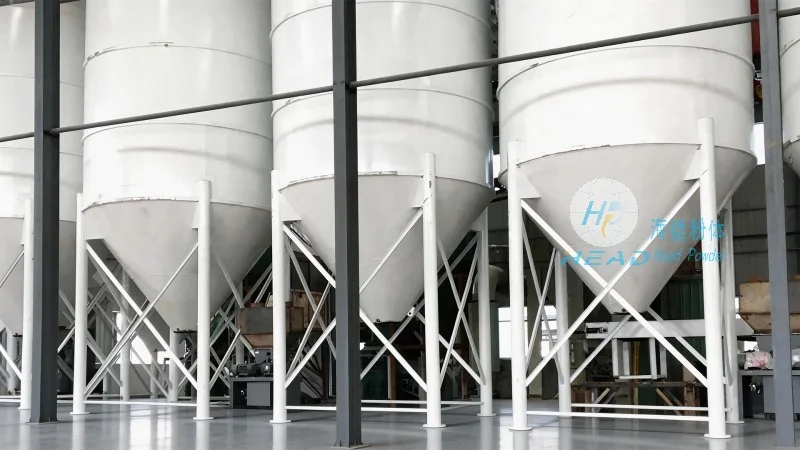
Gypsum sand, a fine particulate material derived from natural gypsum deposits, is essential in various applications including wallboard production, soil amendment, and industrial processes. Traditional handling methods like belt conveyors or bucket elevators often face challenges with dust generation, material degradation, and operational inefficiencies. Pneumatic conveying systems offer a solution by transporting materials through a pipeline using air pressure, providing a dust-free, continuous, and energy-efficient method of material transport. The equipment typically consists of a hopper, a conveyor line, a control system, and a dust collection unit, all working in tandem to ensure smooth material flow.
The Core Principle of Pneumatic Conveying
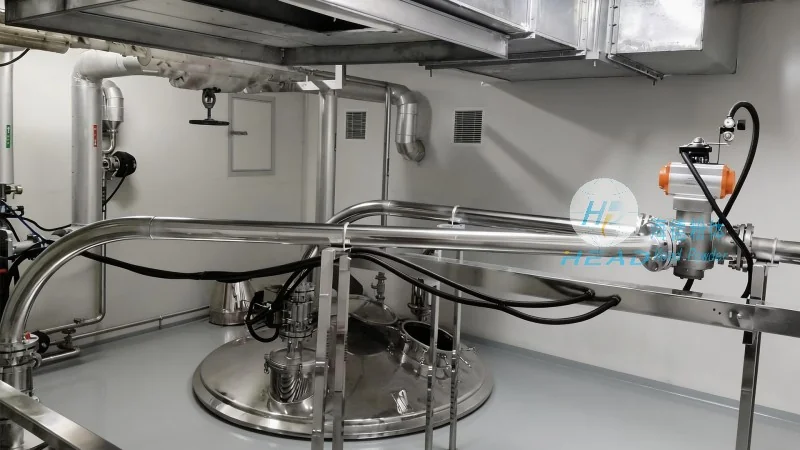
The fundamental principle of pneumatic conveying for gypsum sand involves the use of air to create a flow of material within a closed pipeline. There are two primary types of pneumatic conveying systems: pressure and vacuum. Pressure systems use a positive pressure to push material through the line, while vacuum systems use a negative pressure to pull material. For gypsum sand, which is relatively light and fine, a pressure system is often preferred due to its ability to handle high volumes and maintain consistent flow rates. The process begins with the material being fed into a hopper, where it is then introduced into the conveying line. A fan or blower generates the necessary air pressure, which propels the gypsum sand particles forward. The air and material mixture travels through the pipeline, with the air velocity maintained above the material's terminal velocity to prevent settling. At the discharge point, the material is separated from the air, often through a cyclone separator or a filter, and collected in a receiving hopper.
Key Components and Their Functions
Several critical components make up a gypsum sand pneumatic conveying system, each playing a vital role in ensuring optimal performance. The hopper serves as the material storage and feeding unit, equipped with a gate valve to control the flow rate. The conveyor line, usually made of stainless steel or other corrosion-resistant materials, is designed to withstand the abrasive nature of gypsum sand. The control system, which includes sensors and a control panel, monitors pressure, flow rate, and other parameters to maintain system stability. The dust collection unit, such as a cyclone or bag filter, removes fine particles from the exhaust air, ensuring compliance with environmental regulations and maintaining air quality. Each component is carefully engineered to handle the specific characteristics of gypsum sand, such as its particle size, moisture content, and density.
Working Scene Characteristics: Applications and Benefits
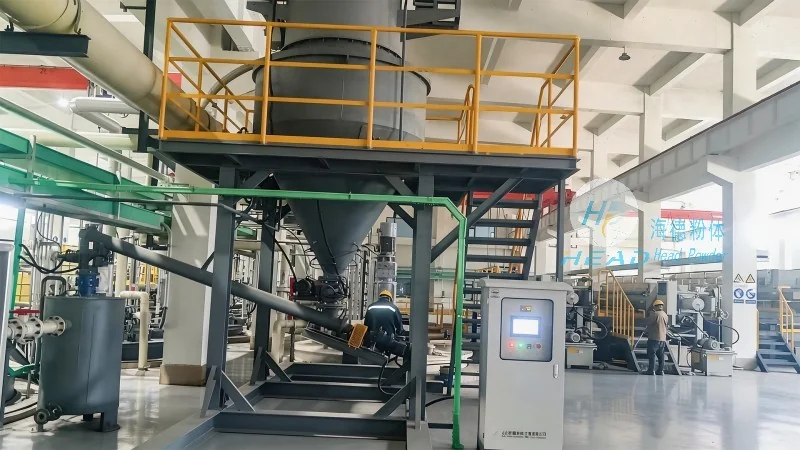
Gypsum sand pneumatic conveying equipment is widely utilized in various industrial settings, each presenting unique challenges and requirements. In the construction industry, these systems are essential for transporting gypsum sand to manufacturing facilities for wallboard production. The ability to handle large volumes of material efficiently and with minimal dust makes them ideal for this application. In agricultural settings, pneumatic conveyors are used to transport gypsum sand for soil conditioning, helping to improve soil structure and fertility. The benefits of using pneumatic conveying in these scenarios include reduced labor costs, increased production efficiency, and improved product quality. Additionally, the systems are designed to be compact and adaptable, allowing them to fit into existing production lines without significant modifications.
Operational Advantages and Considerations
Implementing gypsum sand pneumatic conveying equipment offers several advantages over traditional handling methods. The primary benefit is the reduction of dust exposure, which improves workplace safety and environmental compliance. The continuous and automated operation of the system minimizes downtime and labor requirements, leading to higher productivity. The systems are also energy-efficient, as they use less power compared to other transport methods. However, there are considerations to keep in mind when using pneumatic conveying for gypsum sand. The material's moisture content can affect the flow characteristics, requiring adjustments to the system's air pressure and flow rate. Additionally, the abrasive nature of gypsum sand can lead to wear on the pipeline and components, necessitating regular maintenance and replacement of parts. Proper system design and maintenance are crucial to ensure long-term performance and reliability.
Conclusion
Gypsum sand pneumatic conveying equipment, as a sophisticated material handling solution, combines advanced engineering with practical application to meet the demands of various industries. By understanding its principles, components, and operational characteristics, businesses can leverage these systems to enhance efficiency, improve safety, and maintain compliance with environmental standards. As a company with extensive experience in the field, Shandong HeadPowder Engineering Co., Ltd. offers tailored solutions that address the specific needs of each client, ensuring optimal performance and long-term success in material handling operations.