

Principle and Working Scene Characteristics of Gypsum Powder Pneumatic Conveying Equipment
When it comes to the efficient and reliable transport of gypsum powder in industrial settings, pneumatic conveying systems have emerged as a preferred solution. These systems utilize air to move bulk materials like gypsum through a network of pipes, offering advantages such as reduced dust generation, minimal maintenance requirements, and the ability to handle materials in a closed environment. For applications involving gypsum, a specialized type of pneumatic conveying equipment is essential to ensure optimal performance and safety.
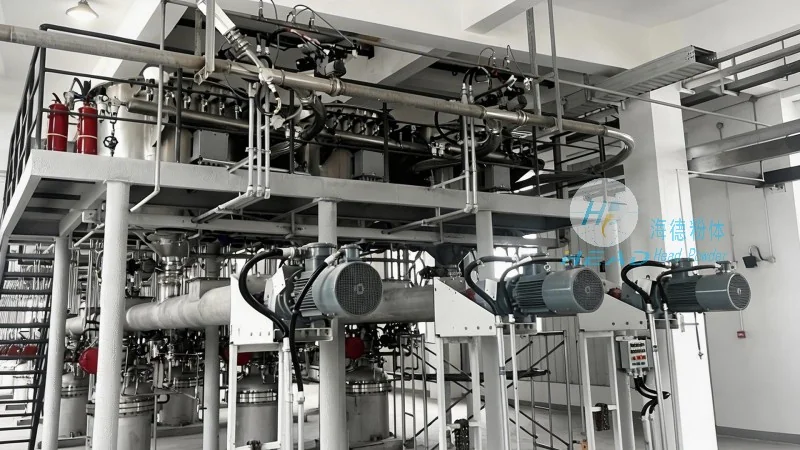
Understanding the Core Principle of Gypsum Powder Pneumatic Conveying
The fundamental principle behind gypsum powder pneumatic conveying lies in the use of air pressure to move the material. There are two primary modes of operation: positive pressure and negative pressure systems. In positive pressure systems, compressed air is introduced into the material container, creating an overpressure that forces the gypsum powder through the conveying lines. This method is often used for short to medium distance transports and is particularly effective when the material is to be discharged into a single point. Negative pressure systems, on the other hand, create a vacuum in the conveying line, drawing the gypsum powder from the source into the system. This approach is suitable for longer distances and when multiple discharge points are required. The choice between these systems depends on factors such as the distance to be covered, the required discharge points, and the overall layout of the industrial facility.
Key Components and Their Function in Gypsum Pneumatic Conveying
Several critical components make up a gypsum powder pneumatic conveying system. The main components include the material hopper or feeder, which holds the gypsum powder and regulates its flow into the system; the air compressor or vacuum pump, which provides the necessary pressure or vacuum; the conveying pipes, which transport the material; and the dust collector or filter, which captures any fine particles to prevent contamination and ensure air quality compliance. Each component plays a vital role in maintaining the efficiency and reliability of the system. For instance, the feeder must be designed to handle the specific characteristics of gypsum powder, such as its flowability and potential for caking, to prevent blockages and ensure consistent material feed. The air compressor must be capable of delivering the required pressure or vacuum without excessive energy consumption, while the pipes must be appropriately sized and constructed to minimize pressure drop and prevent material degradation.
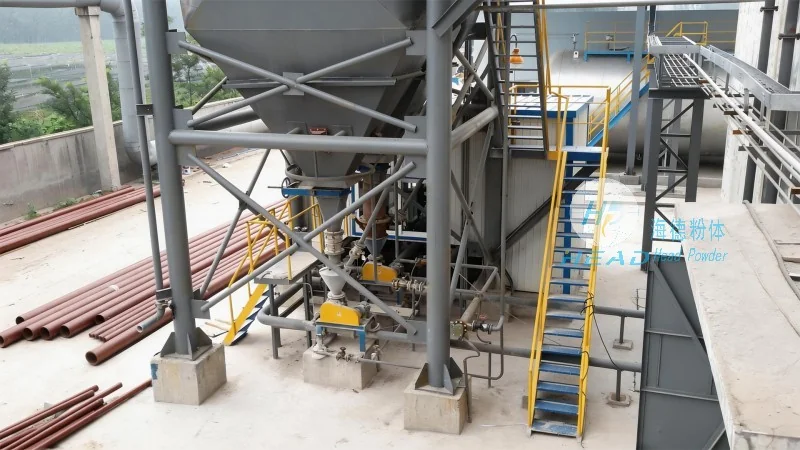
Working Scene Characteristics: Applications and Operational Environments
Gypsum powder pneumatic conveying equipment is widely used in various industrial scenarios, each with distinct characteristics that influence the system design and performance. One common application is in the production of gypsum board, where the equipment is used to transport raw gypsum powder from storage silos to the manufacturing lines. In this scenario, the system must handle large volumes of material over relatively short distances, often integrated with other production processes. Another application is in the cement industry, where gypsum is used as a set retarder to control the setting time of cement. Here, the pneumatic conveying system ensures that the gypsum is delivered to the cement grinding mills or storage silos without loss or contamination. Additionally, in the construction materials sector, gypsum powder is used for wallboard, ceiling tiles, and other building products. The conveying equipment must be able to handle the material in a clean and controlled manner, especially when the final products are intended for indoor use. The working scene characteristics also include the need for flexibility in system configuration, as industrial facilities often undergo expansions or modifications. A well-designed pneumatic conveying system should allow for easy reconfiguration of the conveying lines and feeding points to accommodate changes in production requirements.
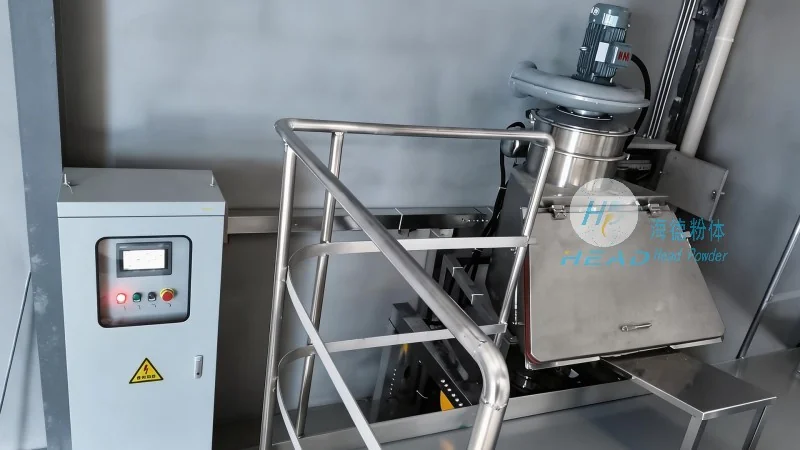
Advantages and Considerations for Gypsum Powder Pneumatic Conveying
Implementing a gypsum powder pneumatic conveying system offers several advantages that make it a preferred choice for many industries. One of the key benefits is the reduction of dust exposure for workers, as the material is transported in a closed system. This not only improves workplace safety but also helps in maintaining product quality by preventing contamination from external sources. Another advantage is the ability to transport the material over long distances without the need for intermediate storage or handling, which can reduce operational costs and improve overall efficiency. However, there are also considerations that must be addressed when selecting and operating such a system. For example, the system must be designed to handle the specific properties of gypsum powder, such as its moisture content and particle size distribution, to prevent issues like caking or blockages. Additionally, the air system must be maintained to ensure consistent performance, as fluctuations in air pressure or flow can affect the conveying efficiency. Regular maintenance, including cleaning of the pipes and filters, is essential to prevent system downtime and ensure long-term reliability.
Shandong HeadPowder Engineering Co., Ltd.: Expertise in Gypsum Pneumatic Conveying Solutions
For businesses seeking reliable and efficient gypsum powder pneumatic conveying solutions, Shandong HeadPowder Engineering Co., Ltd. stands out as a leading manufacturer and supplier. Based in Shandong, China, the company has extensive experience in designing and manufacturing customized pneumatic conveying systems tailored to the specific needs of its clients. With a focus on quality and innovation, HeadPowder provides systems that meet international standards and are engineered to deliver optimal performance in various industrial applications. The company’s expertise lies in understanding the unique challenges of handling gypsum powder, such as its flow characteristics and potential for dust generation, and developing solutions that address these challenges effectively. By leveraging advanced technology and a team of skilled engineers, HeadPowder ensures that its products are not only efficient but also durable and low-maintenance. The company’s commitment to customer satisfaction is reflected in its comprehensive after-sales support, including installation assistance, training, and technical support to help clients maximize the benefits of their pneumatic conveying systems.