

Principle and Working Scene Characteristics of Calcined Ash Pneumatic Conveying Equipment
Calcined ash, a byproduct from industrial processes such as cement production and power generation, requires efficient handling and transportation. The pneumatic conveying system designed for calcined ash offers a reliable solution that integrates advanced engineering principles to ensure safe and effective material transport. This equipment is crucial for optimizing material flow in industrial settings, particularly where traditional methods may be less suitable.
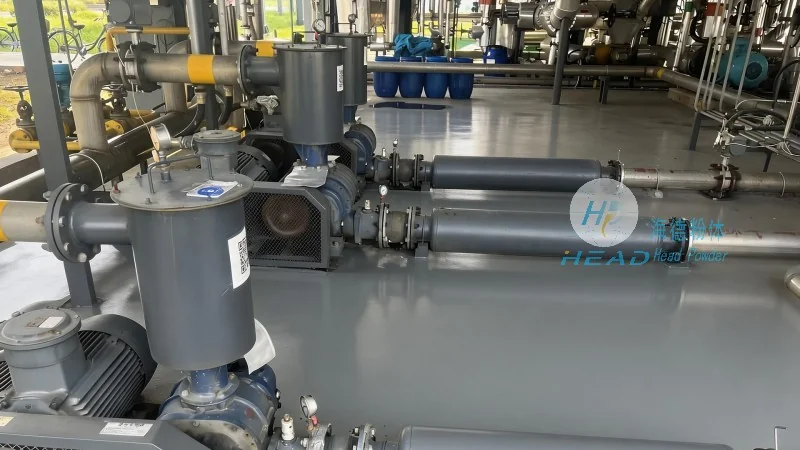
Principle of Pneumatic Conveying for Calcined Ash
The core principle of the calcined ash pneumatic conveying system involves the use of air as the conveying medium to transport bulk materials. In this system, calcined ash is introduced into a pipeline where it is mixed with a controlled flow of air. The air flow generates sufficient pressure and velocity to move the ash particles through the pipeline, overcoming gravitational forces and ensuring consistent material transport. The system typically operates under positive pressure, where the air pressure is higher than the ambient pressure, which helps maintain the material's flow and prevents backflow. Key components include the ash feeder, air compressor, pipeline network, and discharge unit, each playing a critical role in the overall conveying process. The design of the system is tailored to handle the specific properties of calcined ash, such as its particle size, density, and moisture content, ensuring optimal performance and minimal operational issues.
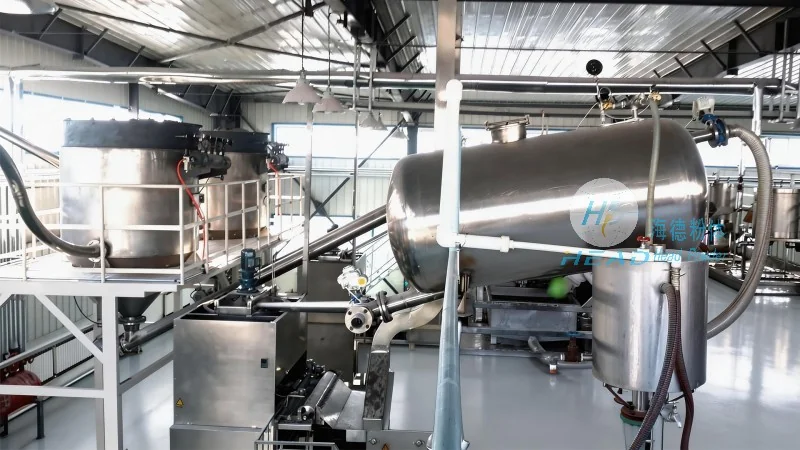
Working Scene Characteristics of the Equipment
The calcined ash pneumatic conveying equipment is widely applied in various industrial scenarios, each with distinct operational requirements and benefits. In cement plants, for instance, the equipment is used to transport calcined ash from storage silos to processing units, ensuring a continuous supply of raw material for cement production. The system's ability to handle large volumes of ash efficiently reduces downtime and improves production throughput. In power generation facilities, the equipment facilitates the transport of ash from boiler ash hoppers to disposal or recycling sites, contributing to the overall efficiency of the plant's waste management processes. Another common application is in the construction industry, where calcined ash is used as a supplementary cementitious material in concrete production. The pneumatic conveying system enables the precise delivery of ash to mixing plants, ensuring consistent quality in the final concrete products. The equipment's adaptability to different working environments makes it a versatile solution for various industrial needs.
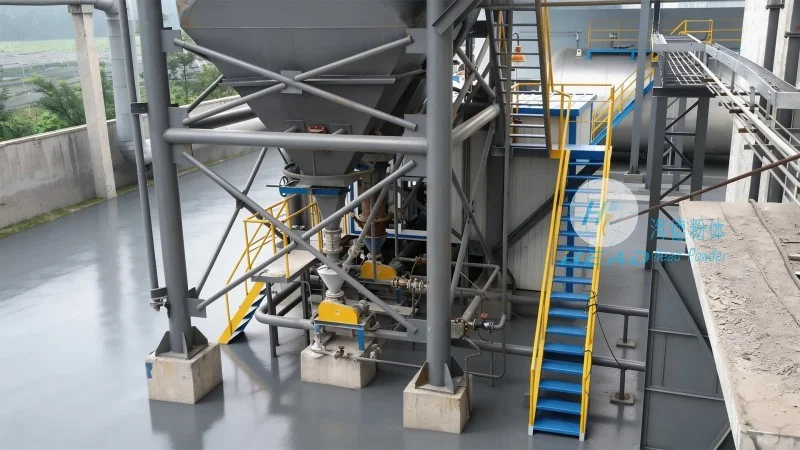
Advantages and Operational Considerations
Implementing calcined ash pneumatic conveying equipment offers several advantages over traditional methods like belt conveyors or bucket elevators. The primary benefit is the reduction in material handling costs and labor requirements, as the system automates the entire transport process. Additionally, the equipment minimizes the risk of material spillage and contamination, which is critical for maintaining environmental standards and product quality. The system also provides better control over the material flow rate, allowing for precise dosing and integration with other industrial processes. However, operational considerations must be addressed to ensure optimal performance. Regular maintenance of the air compressor and pipeline system is essential to prevent air leaks and maintain consistent pressure. The ash feeder must be designed to handle the specific particle characteristics of calcined ash, avoiding blockages or uneven flow. Proper filtration of the air system is also crucial to prevent ash particles from entering the compressor and causing damage. By addressing these considerations, the equipment can operate efficiently and reliably, delivering long-term benefits to industrial operations.