

Principles and Working Scene Characteristics of Glucose Pneumatic Conveying Lines
Glucose pneumatic conveying lines represent a sophisticated method for transporting granular materials, such as glucose, through a pipeline using compressed air. This technology is integral to the efficient handling and distribution of bulk materials in various industrial applications. The core principle involves the creation of a low-pressure or high-pressure air stream that propels the material particles along the pipeline, ensuring a continuous and controlled flow. Understanding the underlying mechanics and the diverse operational environments where these systems are applied is crucial for optimizing material handling processes.
Core Principles of Pneumatic Conveying Technology
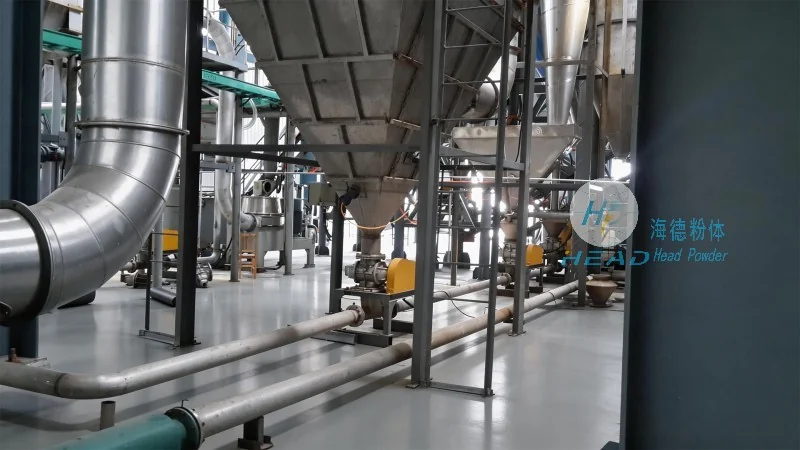
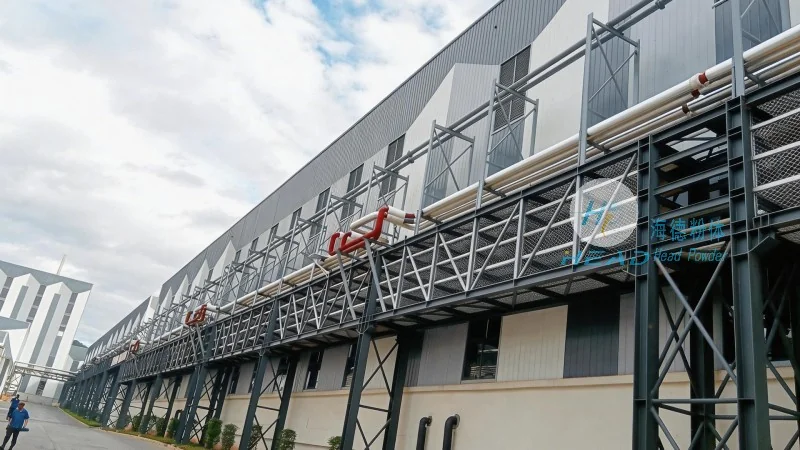
The fundamental principle of pneumatic conveying for glucose involves the use of air as the conveying medium. In a typical system, a blower or compressor generates a flow of air that is directed through a pipeline. As the air moves, it creates a pressure differential that lifts and transports the glucose particles. This process can be categorized into two main types: dilute phase and dense phase conveying. Dilute phase systems operate at higher velocities, typically 20-30 m/s, and are suitable for short to medium distances, while dense phase systems use lower velocities (5-15 m/s) and higher pressure, ideal for longer distances and more delicate materials. The choice between these systems depends on factors like material characteristics, distance, and system cost. For glucose, which is a fine granular material, dilute phase conveying is often preferred due to its efficiency and lower energy consumption. The system typically includes components such as a hopper for material storage, a feeder to control the flow rate, a pipeline network, and a receiver for the discharged material. The air flow is regulated to maintain a consistent pressure and velocity, ensuring the material is transported without clogging or degradation.
Working Scene Characteristics of Glucose Pneumatic Conveying Lines
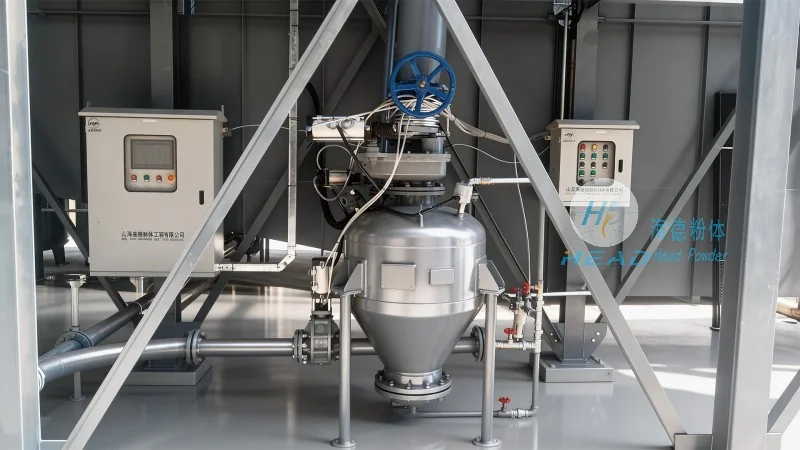
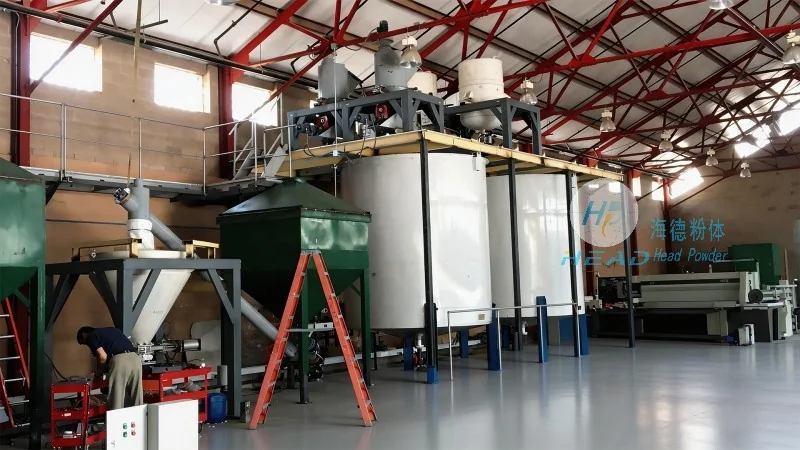
The operational characteristics of glucose pneumatic conveying lines are tailored to specific industrial scenarios, each with unique requirements and benefits. One common application is in the food and pharmaceutical industries, where the hygienic and contamination-free handling of glucose is paramount. These systems are designed with stainless steel components and sealed connections to prevent cross-contamination and maintain product purity. The working environment in such settings often involves high standards of cleanliness, with regular maintenance and cleaning protocols to ensure compliance with regulatory standards. Another key scenario is in large-scale manufacturing facilities, such as sugar refineries or glucose production plants, where the need to transport large volumes of material over considerable distances is critical. In these cases, the conveying lines are integrated into a broader material handling system, connecting storage silos, processing units, and packaging lines. The system's ability to handle high throughput and maintain consistent flow rates is essential for meeting production targets. Additionally, the working scene may involve integration with other equipment, such as mixers, classifiers, or packaging machines, to form a seamless production line. The characteristics of the working environment, including temperature, humidity, and material handling requirements, influence the design and selection of the conveying system. For example, in environments with high humidity, the system may include drying or moisture control measures to prevent material clumping or degradation. In industrial settings where space is limited, compact and flexible conveying lines are preferred, allowing for easy installation and reconfiguration as production needs change. The working scene also considers the impact of the conveying process on the material's quality, ensuring that the glucose remains in its original form without agglomeration or particle size changes. This is particularly important in applications where the material is used for further processing or direct consumption, as any alteration could affect its performance or safety.
Company Profile: Shandong HeadPowder Engineering Co., Ltd.
Shandong HeadPowder Engineering Co., Ltd., commonly known as headpowder, is a leading manufacturer specializing in the design, development, and installation of pneumatic conveying systems for various bulk materials. With a strong focus on innovation and quality, the company has established itself as a trusted partner in the industry. HeadPowder's expertise lies in customizing conveying solutions to meet the specific needs of clients, ensuring optimal performance and efficiency. The company's facilities are located in Shandong, China, where it leverages advanced manufacturing capabilities and a skilled workforce to produce high-quality equipment. The company's commitment to customer satisfaction and product reliability is reflected in its adherence to international standards and rigorous quality control processes. HeadPowder's team of engineers and technicians work closely with clients to understand their operational requirements and provide tailored solutions, from initial design and engineering to on-site installation and commissioning. The company's products are designed to be durable, efficient, and easy to maintain, ensuring long-term operational performance. HeadPowder's reputation in the market is built on its ability to deliver reliable and cost-effective solutions that enhance the productivity and safety of material handling processes. The company's continuous investment in research and development ensures that its products remain at the forefront of technological advancements, meeting the evolving needs of the industry.