

Principle and Working Scene Characteristics of Cement Tank Truck Pneumatic Conveying Systems
HeadPowder, a leading manufacturer based in Shandong, China, specializes in the design and production of advanced pneumatic conveying systems tailored for cement tank trucks. These systems are engineered to efficiently transport bulk materials like cement, ensuring reliable performance in various industrial applications. The following sections delve into the fundamental principles and operational characteristics of such equipment, highlighting its practical applications and technical advantages.
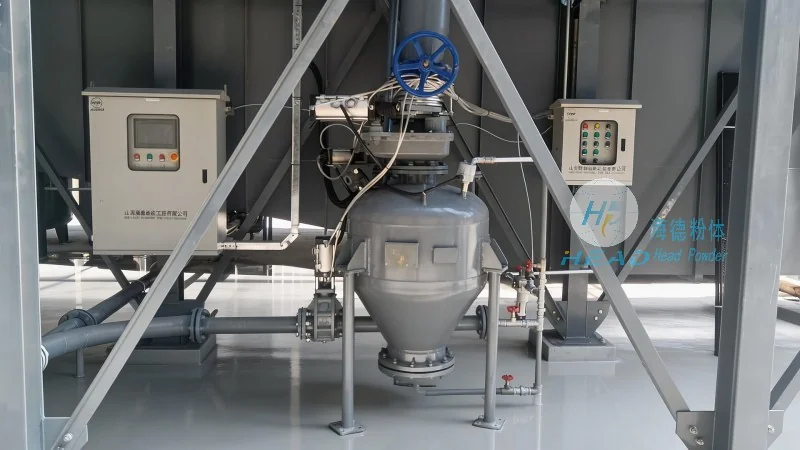
The Working Principle of Pneumatic Conveying for Cement Tank Trucks
The core mechanism of cement tank truck pneumatic conveying systems involves the use of compressed air to move bulk materials through a pipeline network. In this process, the cement is drawn from the tank truck's storage compartment into a conveying line via a venturi or rotary valve. Compressed air, generated by a dedicated air compressor, creates a pressure differential that propels the material forward. The system typically includes components such as a hopper, filter, and control valves to regulate the flow and maintain consistent material transport. This pneumatic approach eliminates the need for mechanical components like belts or buckets, reducing maintenance requirements and enhancing operational safety.
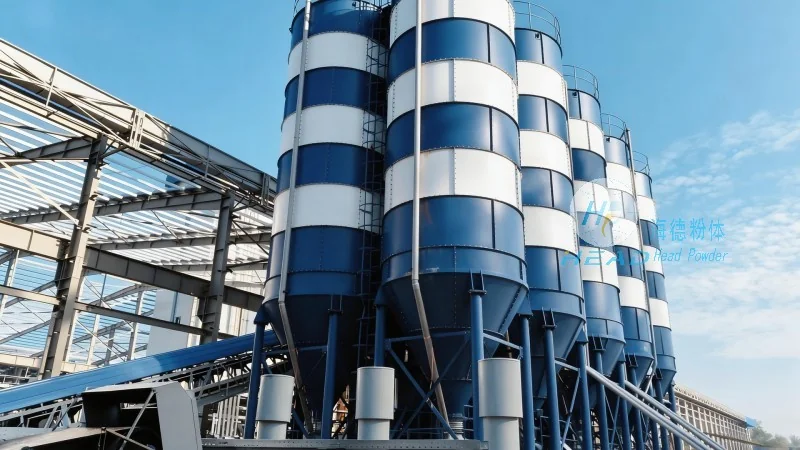
Key Working Scene Characteristics
The application of cement tank truck pneumatic conveying systems is characterized by several distinct features that make them ideal for specific industrial environments. Firstly, these systems are designed for high-volume material handling, capable of transporting large quantities of cement from the truck to processing facilities or storage areas without interruption. Secondly, the technology offers flexibility in terms of layout, as the conveying lines can be configured to follow the existing infrastructure of a plant, minimizing space constraints. Thirdly, the system's ability to operate under negative pressure ensures that dust and particulate matter are contained within the pipeline, reducing environmental impact and improving workplace safety. Additionally, the pneumatic method allows for precise control over material flow rates, enabling seamless integration with downstream processes such as mixing or packaging.
Technical Advantages and Practical Benefits
Implementing a pneumatic conveying system for cement tank trucks provides several technical and operational benefits. From a maintenance perspective, the absence of moving parts in the conveying line reduces wear and tear, leading to lower long-term operational costs. The system's reliability is further enhanced by its ability to handle abrasive materials like cement without significant degradation of components. In terms of efficiency, the pneumatic approach can achieve higher throughput compared to traditional mechanical systems, as it eliminates the need for material handling equipment like loaders or conveyors. Moreover, the compact design of the equipment allows for installation in confined spaces, making it suitable for both new construction projects and retrofitting existing facilities. The environmental benefits are also notable, as the enclosed pipeline system prevents dust emissions, adhering to stringent industrial regulations and promoting a cleaner working environment.
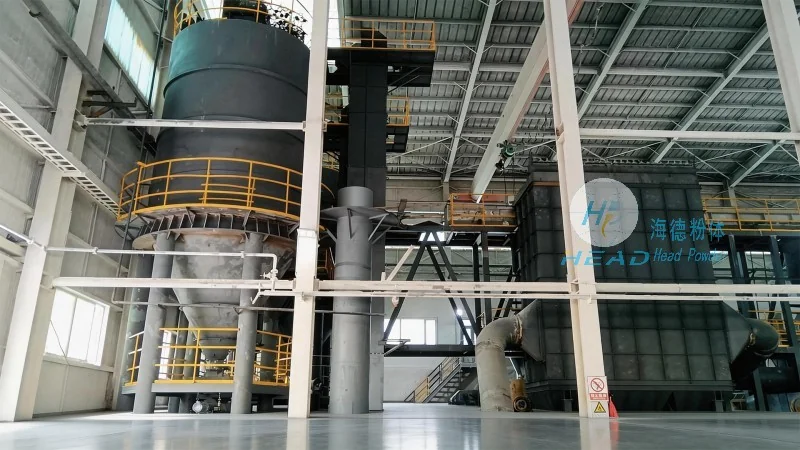
About HeadPowder Engineering Co., Ltd.
HeadPowder Engineering Co., Ltd., headquartered in Shandong, China, is a reputable company dedicated to providing innovative solutions for bulk material handling. With years of experience in the industry, the company specializes in the development and manufacturing of pneumatic conveying systems, including those for cement tank trucks. The company's commitment to quality and customer satisfaction is reflected in its adherence to international standards and continuous research and development efforts. HeadPowder's products are designed to meet the diverse needs of industrial clients, ensuring efficient and reliable material transport while minimizing operational costs and environmental impact.