

Principle and Working Scene Characteristics of Wood Dust Pneumatic Conveying Machines
Wood dust, a common byproduct in woodworking and related industries, requires efficient and reliable handling solutions to ensure smooth operational processes. Pneumatic conveying systems, particularly those designed for wood dust, offer a robust method to transport these fine particles from one location to another. This article explores the fundamental principles behind wood dust pneumatic conveying machines and highlights key working scene characteristics that make them suitable for various industrial applications.
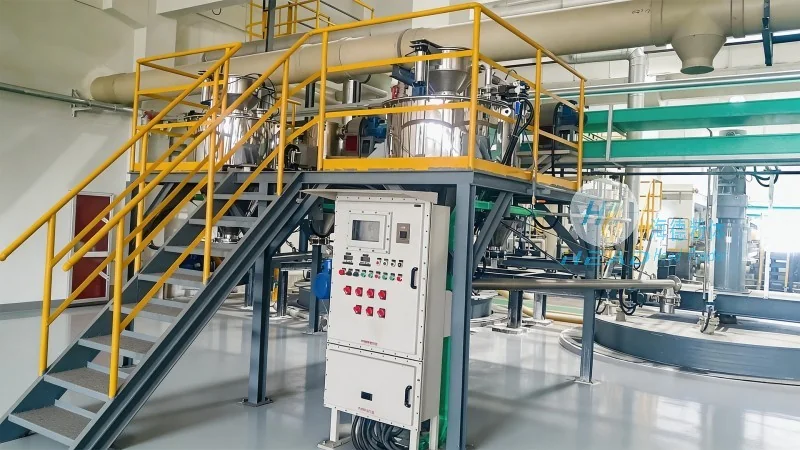
The Core Principle of Pneumatic Conveying for Wood Dust
At the heart of wood dust pneumatic conveying is the use of air as the primary transport medium. The system operates by creating a pressure differential or utilizing vacuum to move the wood dust particles through a pipeline. This method eliminates the need for mechanical components like belts or buckets, reducing maintenance and increasing safety in environments where wood dust can be a fire hazard or cause respiratory issues. The process typically involves a hopper to store the wood dust, a feeder to control the flow rate, a conveying line, and a receiver to deposit the material at the destination. The air velocity within the pipeline is carefully managed to ensure that the wood dust particles are entrained and transported without clogging or degradation.
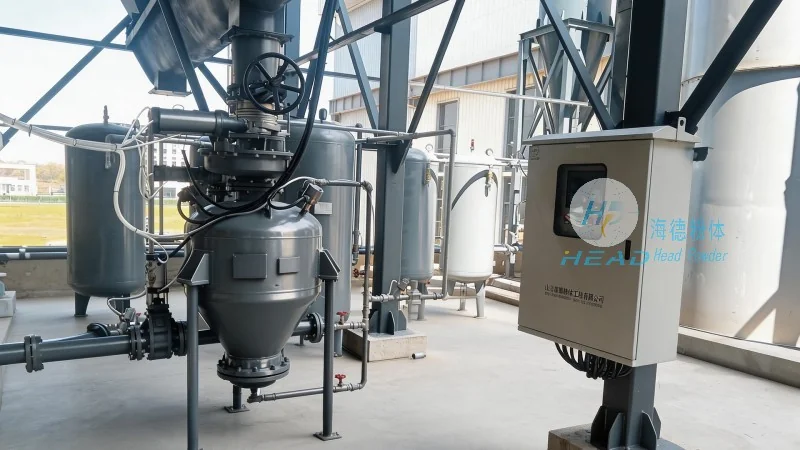
Key Working Scene Characteristics of Wood Dust Pneumatic Conveying Machines
The effectiveness of wood dust pneumatic conveying machines is heavily influenced by several working scene characteristics that must be considered during installation and operation. Firstly, the particle size and moisture content of the wood dust are critical factors. Smaller particles and higher moisture levels can affect the air flow and increase the risk of blockages. Therefore, pre-treatment steps such as drying or size reduction may be necessary to optimize the conveying process. Secondly, the distance and elevation changes between the source and destination play a significant role. Longer distances or higher elevations may require additional air pressure or vacuum levels to maintain the desired flow rate. Thirdly, the ambient conditions, including temperature and humidity, can impact the performance of the system. High temperatures can cause the wood dust to expand, potentially leading to increased pressure requirements, while high humidity may affect the material's handling properties. Lastly, the surrounding environment, such as the presence of other dust sources or the need for explosion-proof features, dictates the type of equipment used. For example, in environments with a high risk of fire or explosion, explosion-proof pneumatic conveying systems are essential to ensure safety and compliance with regulations.
Applications and Benefits in Industrial Settings
Wood dust pneumatic conveying machines find wide applications across various industries, including woodworking, furniture manufacturing, and biomass energy production. In woodworking facilities, these systems are used to transport sawdust from the cutting area to storage silos or processing units, improving workflow efficiency and reducing manual handling. In furniture manufacturing, they help move wood chips and dust from the production line to recycling or disposal areas, contributing to a cleaner and more organized workspace. For biomass energy plants, the systems are crucial for transporting wood dust to combustion chambers, ensuring a consistent fuel supply for energy generation. The benefits of using pneumatic conveying for wood dust include increased operational efficiency, reduced labor costs, improved safety by minimizing human exposure to dust, and enhanced environmental compliance by preventing dust dispersion into the air. Additionally, the systems are versatile and can be integrated with other production equipment, allowing for seamless material flow and process automation.
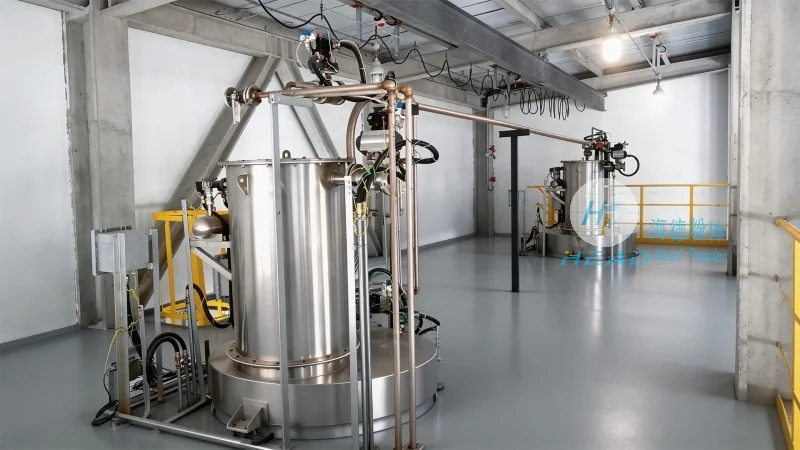
Company Overview: Shandong HeadPowder Engineering Co., Ltd.
Shandong HeadPowder Engineering Co., Ltd., operating under the brand name headpowder, specializes in the design, manufacturing, and supply of advanced pneumatic conveying systems tailored for wood dust and other fine materials. With a focus on innovation and customer-centric solutions, the company has established itself as a leading provider in the industry. HeadPowder's products are engineered to meet the specific needs of different applications, ensuring optimal performance and reliability. The company's commitment to quality and safety is reflected in its adherence to international standards and the use of robust materials in the construction of its conveying systems. HeadPowder's team of experts works closely with clients to understand their operational requirements and provide customized solutions that enhance productivity and reduce operational costs. Based in Shandong, China, the company leverages its local expertise and resources to deliver high-quality products and services to customers worldwide.