

Principle and Working Scene Characteristics of Activated Carbon Pneumatic Conveying Machine
Activated carbon is widely used in various industrial processes due to its excellent adsorption properties. The efficient handling and transportation of activated carbon are crucial for maintaining production efficiency and product quality. Pneumatic conveying systems, particularly those designed for activated carbon, offer a reliable solution for material transport in industrial settings. This article explores the fundamental principles of activated carbon pneumatic conveying machines and highlights key characteristics of their operational scenarios.
Introduction to Activated Carbon Pneumatic Conveying
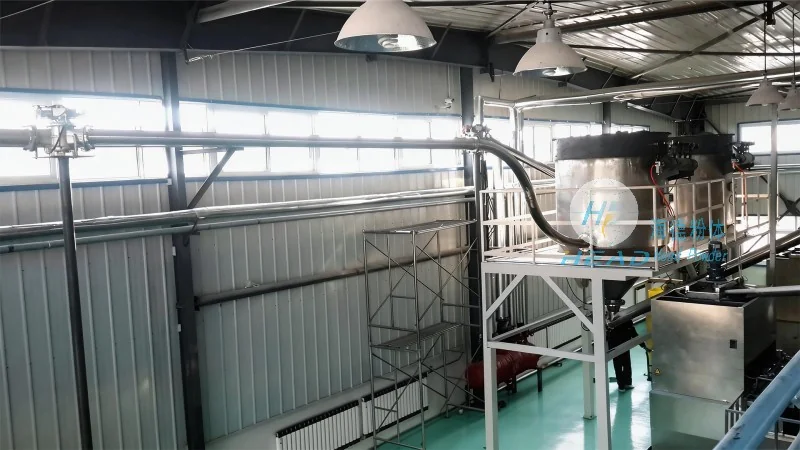
Activated carbon, a form of carbon with high surface area and porosity, is essential in applications such as water treatment, air purification, and chemical processing. Traditional methods of transporting activated carbon, like manual handling or mechanical conveyors, often face challenges like dust generation, material degradation, and inefficiencies. Pneumatic conveying machines provide a dust-free, continuous, and controlled method for moving activated carbon from storage to processing units. The core of these systems lies in the use of air as the conveying medium, which can be either sucked or pressurized to move the material through pipelines.
Principle of Pneumatic Conveying
The operation of an activated carbon pneumatic conveying machine is based on the principles of fluid dynamics and particle transport. There are two primary types of pneumatic conveying systems: suction (or vacuum) and pressure systems. In suction systems, a vacuum is created at the material inlet to draw the activated carbon particles into the pipeline. The air and carbon mixture is then transported to a separation unit where the carbon is collected and the air is filtered or recycled. Pressure systems, on the other hand, use compressed air to push the material through the pipeline. Both systems rely on the velocity of the air stream to lift and transport the carbon particles, with the design of the system determining the appropriate air velocity and pressure levels.
Key Components of the Conveying System
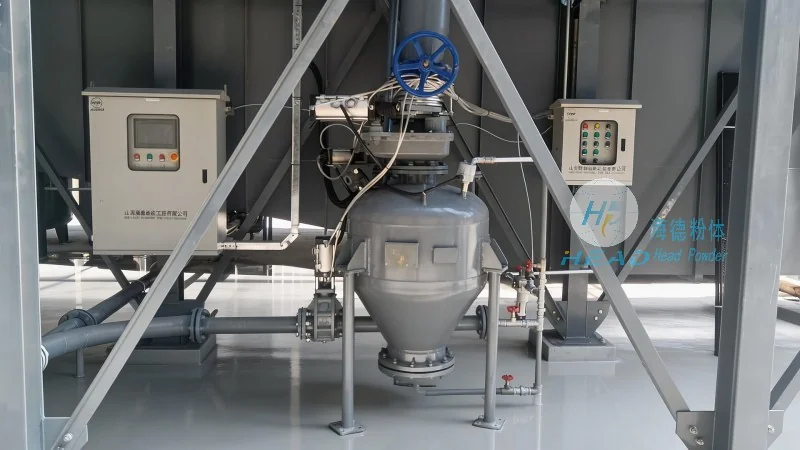
Activated carbon pneumatic conveying machines consist of several critical components that work in tandem to ensure efficient operation. These include the material feeder, which feeds the carbon into the pipeline; the air supply system, which provides the necessary air pressure or vacuum; the pipeline network, which transports the material; and the separation and collection units, which separate the carbon from the air stream. The material feeder is typically designed to handle the bulk density and flow characteristics of activated carbon, ensuring a consistent feed rate. The air supply system may include compressors, vacuum pumps, or air tanks, depending on the system type. The pipeline network is usually made of stainless steel or other corrosion-resistant materials to prevent contamination and ensure durability. The separation unit, often a cyclone or bag filter, removes the carbon particles from the air stream, allowing the air to be recycled or vented safely.
Working Scene Characteristics
The operational scenarios of activated carbon pneumatic conveying machines vary based on the specific application and industrial environment. In water treatment plants, for example, these machines are used to transport activated carbon from storage silos to filtration units, ensuring a continuous supply of carbon for adsorption processes. In chemical processing facilities, they may be employed to move carbon between reactors and storage tanks, supporting production cycles. The characteristics of these working scenes include high material throughput, the need for dust control, and the requirement for precise control over the conveying process. The systems are often integrated with other equipment, such as reactors or filters, to form a seamless production line. The operational environment may involve varying temperatures and humidity levels, which the conveying system must be designed to withstand without compromising performance.
Advantages and Considerations
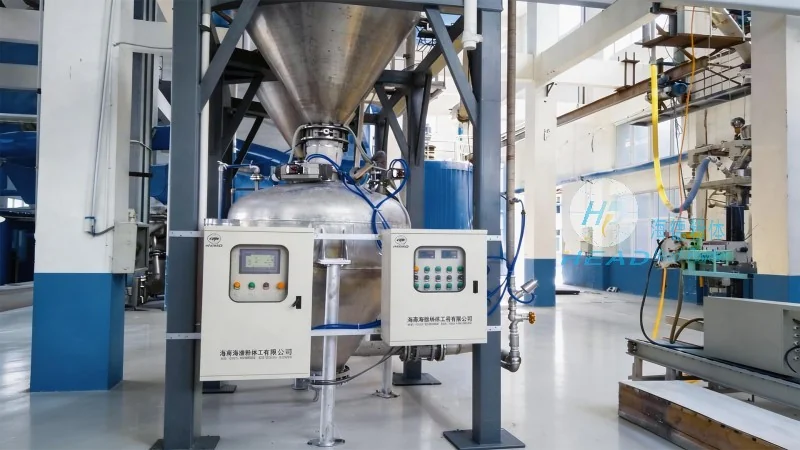
Activated carbon pneumatic conveying machines offer several advantages over traditional transport methods. These include dust-free operation, which improves workplace safety and reduces environmental contamination. The systems are also capable of handling large volumes of material with minimal labor, enhancing production efficiency. Additionally, the enclosed pipeline system prevents material loss and contamination, ensuring product quality. However, there are considerations to keep in mind when implementing such systems. The cost of equipment and installation can be significant, and the maintenance requirements, particularly for the air filtration and separation units, must be addressed. The system design must also account for the specific properties of activated carbon, such as its particle size and bulk density, to ensure optimal performance.
Conclusion
Activated carbon pneumatic conveying machines are essential equipment for industries relying on activated carbon in their processes. By understanding the principles of pneumatic conveying and the characteristics of operational scenarios, manufacturers and operators can select and implement systems that meet their specific needs. The efficient and reliable transport of activated carbon through pneumatic systems not only improves production efficiency but also contributes to better workplace safety and environmental protection. As industrial processes continue to evolve, the demand for advanced material handling solutions like these will likely increase, making a thorough understanding of their principles and applications crucial for industry professionals.