

Principle and Working Scene Characteristics of Sodium Phosphate Powder Conveying Machine
Shandong HeadPowder Engineering Co., Ltd. is a professional manufacturer specializing in the research, development, and production of powder conveying equipment. The company is located in Shandong, China, and has been committed to providing high-quality solutions for powder handling in various industries. With years of experience in the field, HeadPowder has developed a range of advanced powder conveying machines tailored to meet the specific needs of different sectors.
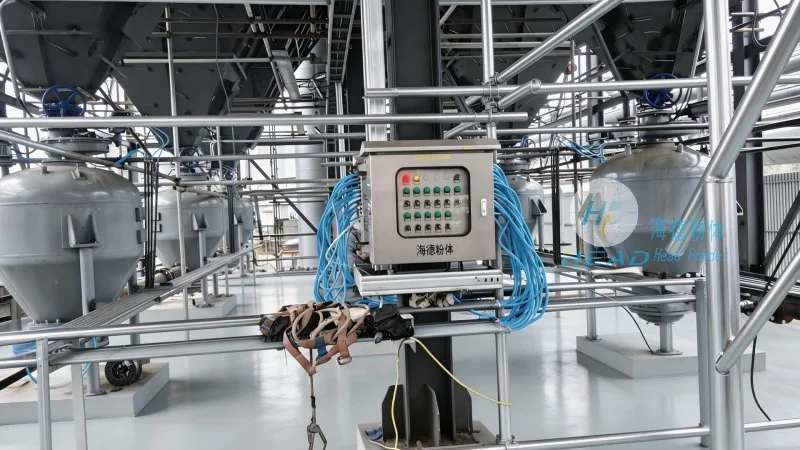
The Sodium Phosphate Powder Conveying Machine: An Overview
The Sodium Phosphate Powder Conveying Machine is a specialized device designed for the efficient and safe transportation of sodium phosphate powder. This equipment is engineered to handle the unique properties of sodium phosphate, such as its fine particle size and potential for dust generation, ensuring reliable operation in industrial settings. The machine is an essential component in processes where sodium phosphate is used as a raw material or additive, facilitating smooth material transfer from storage to processing units.
Working Principle of the Conveying Machine
The working principle of the sodium phosphate powder conveying machine involves a combination of mechanical and pneumatic systems. The machine typically consists of a hopper, a conveying pipe, and a drive system. The powder is fed into the hopper, where it is then drawn into the conveying pipe by a fan or blower. The air flow created by the fan propels the powder particles through the pipe to the discharge point. This pneumatic conveying method is particularly effective for handling fine powders like sodium phosphate, as it minimizes product degradation and contamination. The system operates by creating a pressure differential between the hopper and the discharge end, ensuring consistent and controlled flow of the powder.
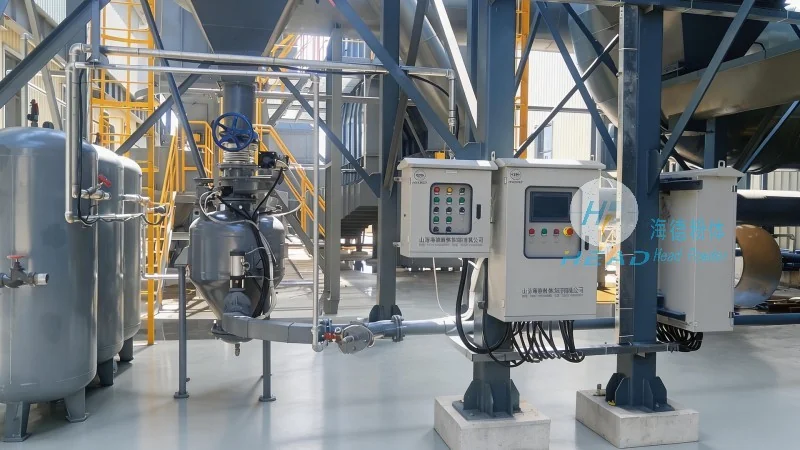
Key Working Scene Characteristics
The working scene characteristics of this conveying machine are tailored to meet the demands of industrial applications. In industrial environments, the machine is often used in chemical plants, food processing facilities, and pharmaceutical manufacturing sites where sodium phosphate is processed or used as an ingredient. The design of the machine allows for easy integration into existing production lines, ensuring seamless operation and minimal downtime. The machine's compact structure and modular components enable flexible installation, adapting to various spatial constraints in industrial settings. Additionally, the machine is designed to handle varying powder loads, making it suitable for both continuous and batch processing operations.
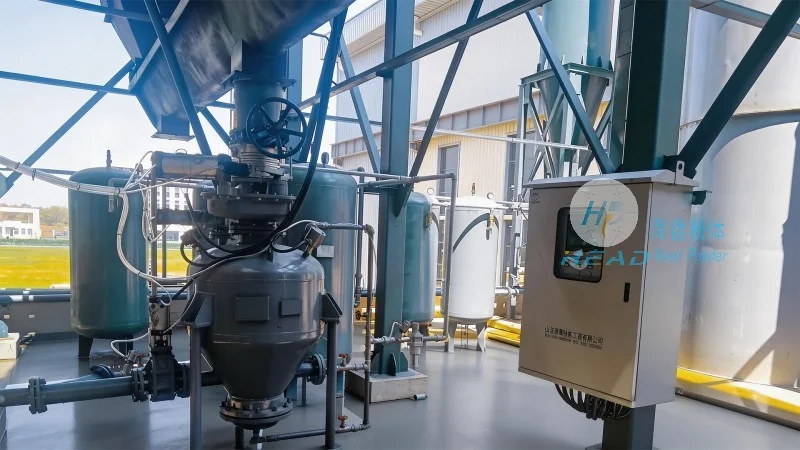
Advantages in Industrial Applications
One of the key advantages of the sodium phosphate powder conveying machine is its ability to handle high volumes of powder while maintaining consistent flow rates. The machine's construction, with its corrosion-resistant materials and sealed components, ensures durability and long-term performance in environments where sodium phosphate may be corrosive or moisture-sensitive. Additionally, the machine's compact design makes it suitable for installation in limited space, a common requirement in modern industrial facilities. The pneumatic conveying system also reduces the risk of product contamination, as the powder is not in direct contact with metal surfaces for extended periods. This is particularly important in industries where product purity is critical, such as food and pharmaceutical manufacturing.
Safety and Maintenance Considerations
Safety is a critical aspect of the sodium phosphate powder conveying machine. The equipment is equipped with safety features such as dust collection systems and explosion-proof components, which are essential for handling powders that may be flammable or explosive under certain conditions. Regular maintenance, including cleaning of the hopper and conveying pipe, is recommended to prevent clogging and ensure optimal performance. The company provides comprehensive after-sales support, including technical guidance and spare parts availability, to assist clients in maintaining the machine's efficiency. Proper training for operators on the safe operation of the machine is also emphasized to prevent accidents and ensure compliance with industrial safety regulations.