

Principle and Working Scene Characteristics of Arsenic Trioxide Powder Conveying Machine
At Shandong HeadPowder Engineering Co., Ltd., we specialize in the design and manufacturing of advanced powder conveying systems, including the Arsenic Trioxide Powder Conveying Machine. This equipment is engineered to handle the unique challenges associated with transporting arsenic trioxide, a critical material in various industrial applications. The following sections will explore the fundamental principles behind its operation and the specific working scene characteristics that define its effectiveness.
The Working Principle of the Arsenic Trioxide Powder Conveying Machine
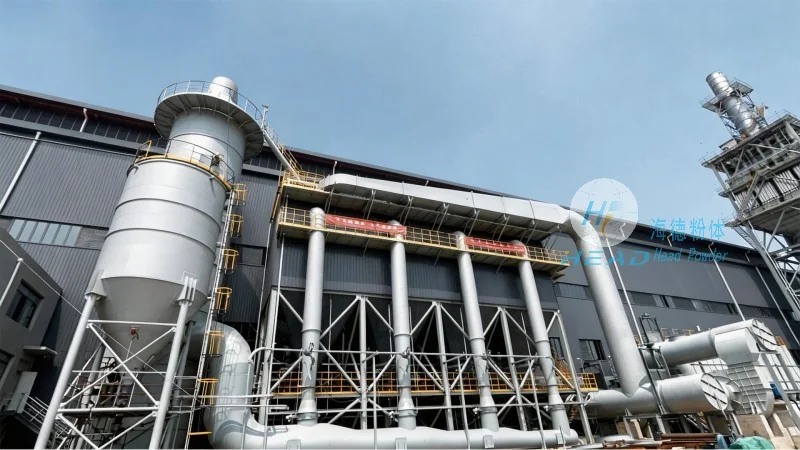
The Arsenic Trioxide Powder Conveying Machine operates on a principle of pneumatic or mechanical conveying, depending on the specific design and application requirements. For materials like arsenic trioxide, which may have varying particle sizes (typically ranging from sub-micron to several microns) and flow characteristics, a combination of positive displacement and negative pressure systems is often employed to ensure efficient and safe transport. The machine typically consists of a hopper for material storage, a conveyor section (either pneumatic ducts or mechanical screw conveyors), and a control system that regulates the flow rate and pressure. The hopper is equipped with a feeding mechanism, such as a rotary valve or vibratory feeder, to ensure a consistent supply of powder. The conveyor section uses either compressed air to create a negative pressure environment (for pneumatic systems) or mechanical rotation to move the material forward. The control system monitors parameters such as pressure differential, flow rate, and temperature to maintain optimal operation and prevent material degradation or equipment damage. In pneumatic systems, the air compressor generates the necessary pressure to draw the powder from the hopper into the ductwork, while the discharge point is connected to a receiver or processing equipment. Mechanical systems, on the other hand, rely on rotating screws or augers to push the powder through the conveyor, which is particularly suitable for handling cohesive or sticky materials like arsenic trioxide.
Key Components and Their Functions
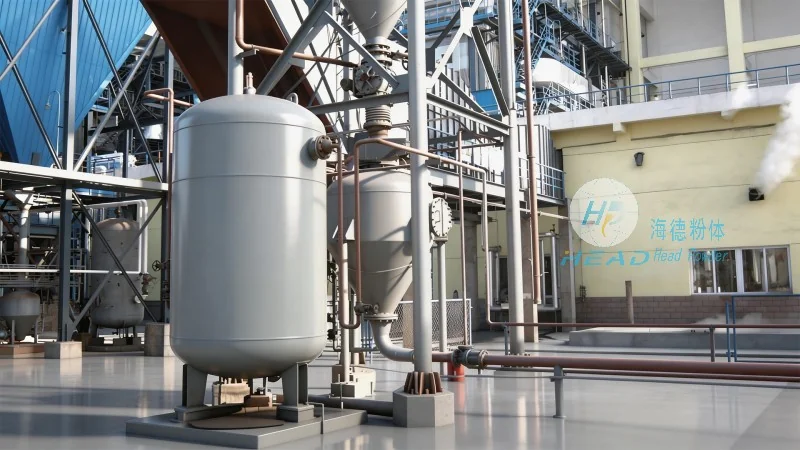
Several key components work in tandem to ensure the smooth operation of the Arsenic Trioxide Powder Conveying Machine. The hopper, often made of corrosion-resistant materials like 316L stainless steel or specialized alloys, is designed to store the arsenic trioxide powder safely. It features a discharge valve that controls the material flow into the conveyor section, preventing overfilling and ensuring a steady feed. The conveyor section, which may be a pneumatic duct system or a mechanical screw conveyor, is responsible for transporting the powder from the hopper to the discharge point. Pneumatic systems use air compressors to generate the necessary pressure differential, while mechanical systems rely on rotating screws to push the material forward. The control panel, equipped with sensors (e.g., pressure transducers, flow meters) and indicators, allows operators to monitor and adjust the system parameters in real-time. Additionally, safety features such as dust collection systems (e.g., bag filters or cyclone separators) and explosion-proof designs are integrated to mitigate risks associated with handling hazardous powders like arsenic trioxide. The dust collection system captures any airborne particles, reducing environmental contamination and improving workplace safety. The explosion-proof design, including flame arrestors and intrinsically safe components, ensures compliance with safety standards in industrial settings.
Working Scene Characteristics and Application Scenarios
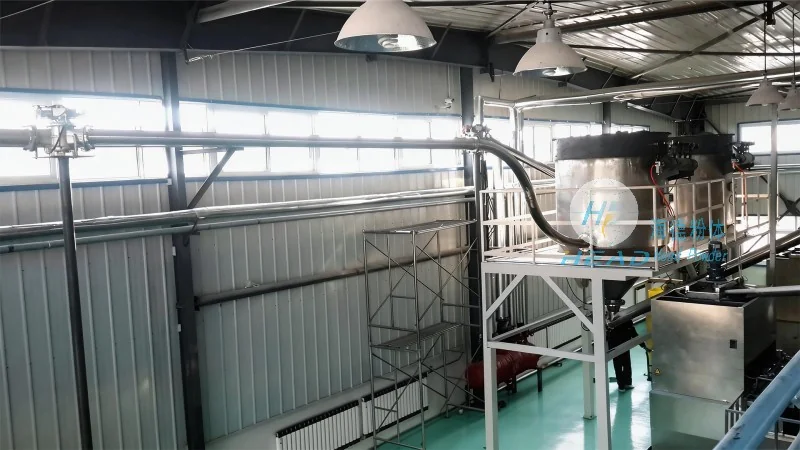
The Arsenic Trioxide Powder Conveying Machine is designed to operate in diverse industrial environments, each with unique requirements for material handling and safety. One common working scene is in pharmaceutical or chemical manufacturing facilities where arsenic trioxide is used as a raw material in the production of pharmaceuticals or specialty chemicals. In these settings, the machine must adhere to strict regulatory standards for material containment and environmental protection, such as those outlined in GMP (Good Manufacturing Practice) guidelines. The conveying system is typically integrated into a larger production line, with the powder being transported from storage to processing equipment such as reactors or mixers. The machine's design ensures minimal dust generation and maintains a closed system, which is crucial for preventing cross-contamination and maintaining product purity. Another application scenario is in mining and mineral processing operations, where arsenic trioxide is extracted from ores (e.g., arsenic sulfide ores) and needs to be transported to processing plants. Here, the machine must handle larger volumes of material (often in the range of several tons per hour) and withstand harsh conditions, including dust, moisture, and temperature fluctuations. The working scene also includes facilities involved in the production of arsenic-based compounds for agricultural or industrial use, where the machine ensures consistent and safe delivery of the powder to downstream processes such as grinding, mixing, or packaging. Each of these scenarios demands a conveying system that is reliable, efficient, and compliant with safety regulations, making the Arsenic Trioxide Powder Conveying Machine a critical component in modern industrial operations. The machine's adaptability to different working environments and its ability to handle varying material properties make it suitable for a wide range of applications.