

Principles and Application Scenarios of Low-Pressure Continuous Material Conveying
Low-pressure continuous material conveying systems represent a critical technology in modern industrial operations, designed to efficiently transport bulk materials with minimal pressure differentials. These systems are engineered to maintain a steady flow of materials, ensuring consistent performance across various production processes. The core principle behind low-pressure conveying involves utilizing gentle forces to move materials through pipelines or conveyor lines, reducing wear on equipment and minimizing material degradation. By operating at lower pressure levels compared to high-pressure systems, these solutions offer enhanced safety, lower energy consumption, and improved material handling capabilities.
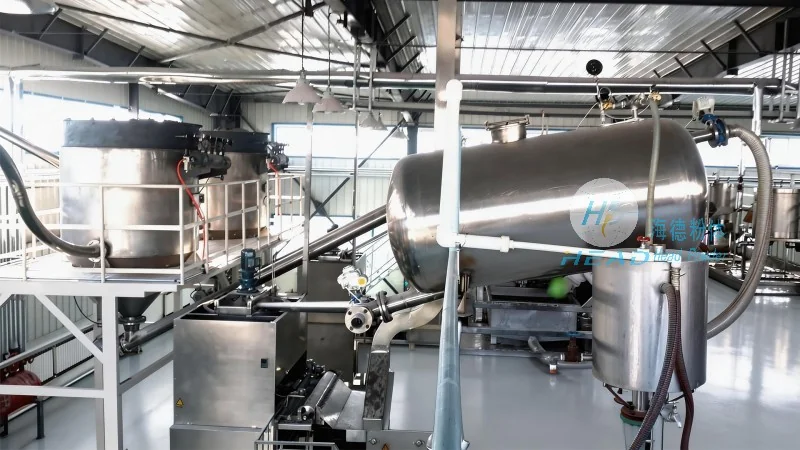
Key Principles of Low-Pressure Continuous Material Conveying
The fundamental principle of low-pressure continuous material conveying is the use of a consistent, gentle pressure gradient to propel materials through a closed system. Unlike high-pressure pneumatic systems that rely on high velocity air to push materials, low-pressure systems typically operate at pressures ranging from 0.5 to 2 bar, creating a controlled flow that minimizes stress on the conveyed material. This approach is particularly effective for delicate or abrasive materials, as it reduces the risk of breakage or contamination. The system often incorporates components such as rotary airlocks, feeders, and flexible hoses or ducts, which work in tandem to maintain a continuous, unbroken flow. The design emphasizes energy efficiency, as lower pressure requirements translate to reduced power consumption and longer equipment lifespan. Additionally, low-pressure conveying systems are often equipped with variable speed drives and pressure sensors, allowing for real-time adjustments to accommodate varying material loads and flow rates.
Working Scenarios and Industry Applications
Low-pressure continuous material conveying systems find extensive application across diverse industrial sectors, each tailored to meet specific operational needs. In the chemical industry, these systems are commonly used for transporting powders and granules, such as raw materials for pharmaceuticals or specialty chemicals. The gentle handling ensures that sensitive compounds remain intact, preserving their quality and efficacy. The food and beverage sector also benefits from low-pressure conveying, particularly in applications involving dry ingredients like flour, sugar, or spices. The system's ability to maintain hygiene standards, with sealed pipelines and easy cleaning features, makes it ideal for food processing environments. In the pharmaceutical industry, where product purity is paramount, low-pressure conveying systems are employed to transport active pharmaceutical ingredients (APIs) and excipients, ensuring that materials are handled without contamination or degradation. The controlled flow and minimal particle impact reduce the risk of cross-contamination, aligning with stringent regulatory requirements.
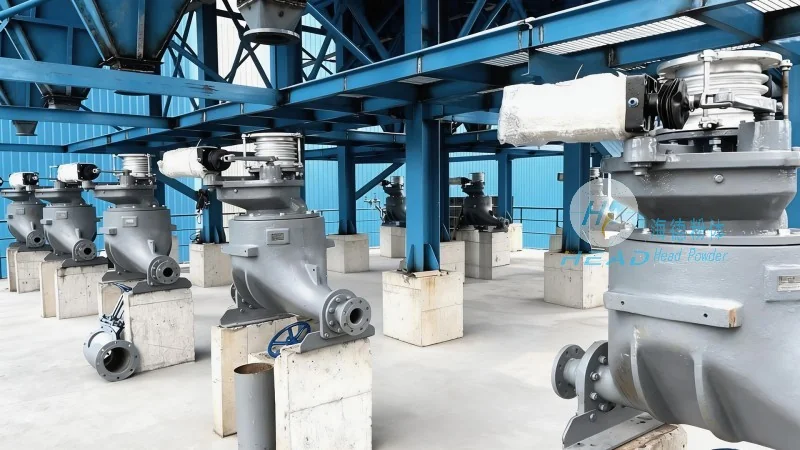
Operational Advantages in Industrial Settings
Implementing low-pressure continuous material conveying systems in industrial settings offers several distinct advantages that enhance overall operational efficiency. One of the primary benefits is the reduction in energy consumption, as lower pressure operations require less power to maintain material flow. This translates to cost savings over time and contributes to more sustainable manufacturing practices. Additionally, the systems are designed for durability and longevity, with components built to withstand continuous operation and varying material conditions. The gentle handling of materials minimizes wear on conveyor components, extending maintenance intervals and reducing downtime. Another key advantage is the improved safety profile of low-pressure systems. By operating at lower pressures, the risk of accidental releases or explosions is significantly reduced, making them suitable for environments where safety is a top priority. The sealed design of the conveying lines also prevents dust emissions, contributing to better air quality and compliance with environmental regulations. Furthermore, low-pressure conveying systems are highly adaptable, allowing for integration with existing production lines and easy expansion as operational needs evolve.
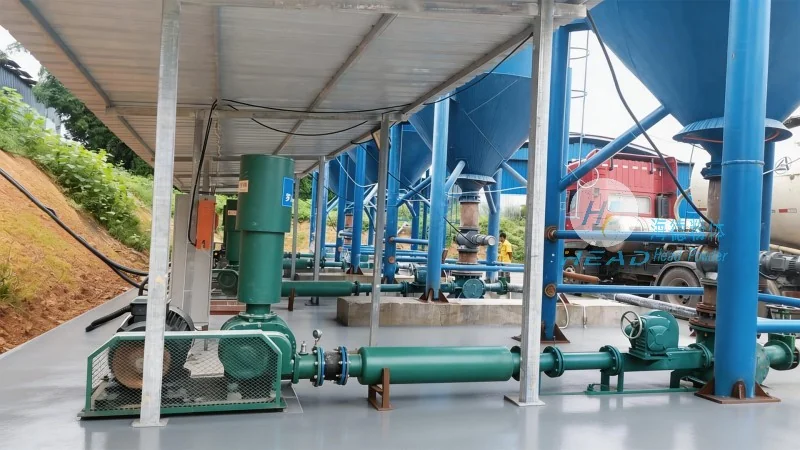
Company Overview: Shandong HeadPowder Engineering Co., Ltd.
Shandong HeadPowder Engineering Co., Ltd., commonly known as headpowder, is a leading manufacturer specializing in the design, development, and supply of low-pressure continuous material conveying systems. With a strong focus on innovation and customer-centric solutions, headpowder has established itself as a trusted partner in various industrial sectors. The company's headquarters is located in Shandong, China, where its team of experienced engineers and technicians work to deliver high-quality, reliable equipment tailored to client needs. Headpowder's product portfolio includes a range of low-pressure conveying solutions, from basic pneumatic systems to advanced, customized setups that address specific material handling challenges. The company emphasizes quality control at every stage of production, ensuring that each system meets or exceeds industry standards for performance, safety, and durability. Through continuous research and development, headpowder stays at the forefront of material handling technology, providing solutions that enhance operational efficiency and reduce costs for its clients.
Conclusion: The Role of Low-Pressure Conveying in Modern Manufacturing
In conclusion, low-pressure continuous material conveying systems play a vital role in modern industrial operations by providing efficient, safe, and cost-effective solutions for bulk material transport. The principles of gentle, controlled pressure and continuous flow enable these systems to handle a wide variety of materials while minimizing risks and maximizing productivity. As industries continue to prioritize sustainability and operational efficiency, the demand for low-pressure conveying systems is expected to grow, driven by their ability to meet stringent requirements and adapt to evolving production needs. Companies like Shandong HeadPowder Engineering Co., Ltd. are at the forefront of this technology, offering tailored solutions that help businesses optimize their material handling processes and achieve long-term success.