

Principles and Working Scene Characteristics of Intelligent Unpacking Material Conveying
Intelligent unpacking material conveying systems represent a significant advancement in modern material handling technology. These systems are designed to automate the process of unpacking bulk materials and transferring them to subsequent processing or storage stages. The core principle behind such systems involves integrating advanced sensors, robotics, and control algorithms to ensure efficient, accurate, and safe material transfer. This article explores the fundamental principles of intelligent unpacking material conveying and highlights key working scene characteristics that define their application in various industrial settings.
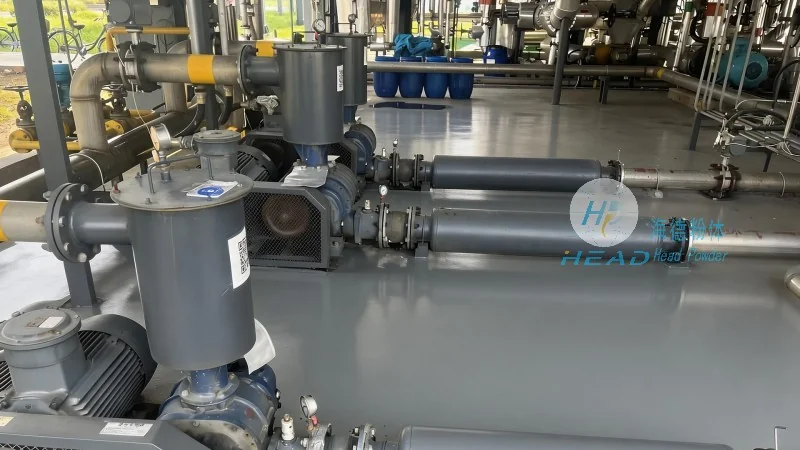
Core Principles of Intelligent Unpacking Material Conveying
The operation of intelligent unpacking material conveying systems is grounded in several key principles that enable seamless material handling. First, the system utilizes real-time monitoring through sensors such as weight scales, level detectors, and position sensors to track the status of unpacked materials. This data is processed by a central control unit, which adjusts the conveying speed and direction based on the material's characteristics and the system's operational parameters. Second, automation is achieved through the integration of robotic arms or conveyor belts that can adapt to different container sizes and material types. The system's flexibility is enhanced by programmable logic controllers (PLCs) that allow for customization of the conveying process to meet specific production requirements. Third, safety is prioritized through built-in emergency stop mechanisms and collision detection systems, ensuring that the operation is secure for both the equipment and the surrounding environment. These principles collectively ensure that the material conveying process is efficient, reliable, and adaptable to diverse industrial needs.
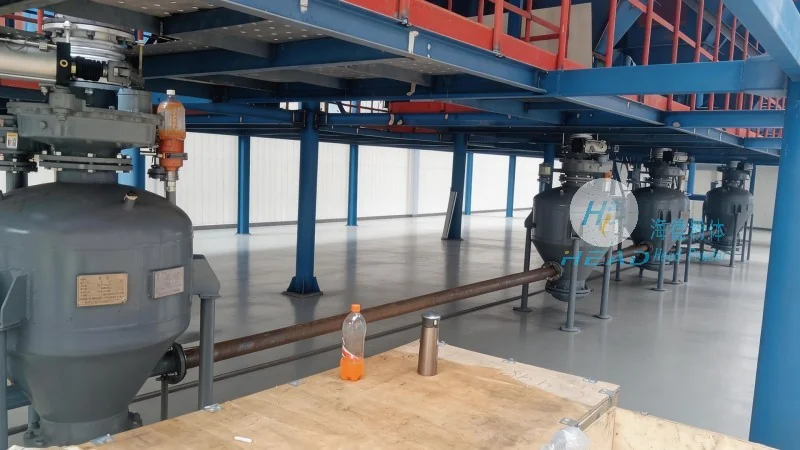
Working Scene Characteristics of Intelligent Unpacking Material Conveying
The effectiveness of intelligent unpacking material conveying systems is heavily influenced by the specific working scene characteristics in which they are deployed. One primary characteristic is the variability of material types and container sizes. In industrial settings, materials may range from powders and granules to bulk solids, and containers can vary from bags and boxes to bulk bags and hoppers. The system's ability to handle this diversity is critical, as it requires flexible mechanisms such as adjustable conveyor belts or robotic grippers that can accommodate different shapes and dimensions. Another key characteristic is the need for high throughput and minimal downtime. In manufacturing environments, where production lines operate continuously, the conveying system must maintain a steady flow of materials without interruptions. This is achieved through redundant components and automated maintenance alerts that minimize operational disruptions. Additionally, the working scene often involves integration with other automated systems, such as packaging lines or quality control stations. The intelligent conveying system must be capable of seamless communication with these systems through standardized protocols, ensuring a synchronized workflow. Environmental factors, such as temperature and humidity, also play a role in the system's performance. For instance, in food processing or pharmaceutical industries, the conveying system must maintain sterile conditions, which may require special materials or sealing mechanisms. These working scene characteristics highlight the importance of designing intelligent unpacking material conveying systems that are not only efficient but also adaptable to the specific demands of the industrial environment.
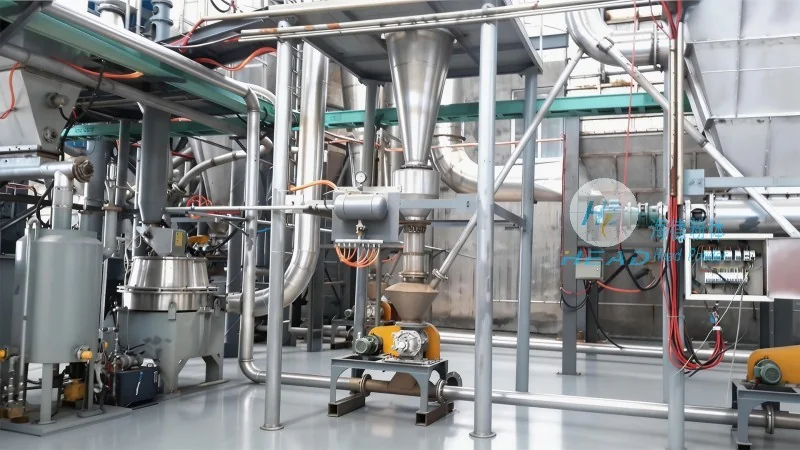
Application Examples in Industrial Settings
Intelligent unpacking material conveying systems are widely applied in various industrial sectors, each with unique requirements that the system addresses effectively. In the chemical industry, for example, these systems are used to transfer bulk chemicals from storage containers to processing tanks. The system's ability to handle different chemical properties, such as corrosive or hazardous materials, is crucial. It often incorporates specialized materials for the conveyor components and robust sealing systems to prevent leaks. In the food and beverage industry, the focus is on maintaining hygiene and product quality. The conveying system may use stainless steel components and have easy-to-clean surfaces to comply with food safety regulations. Additionally, the system may include features like air filtration to prevent contamination. In the pharmaceutical industry, the emphasis is on precision and sterility. The intelligent conveying system is designed to handle sensitive medications, ensuring that the materials are transferred without any contamination or degradation. The system may also include traceability features to track the movement of materials through the production process. In the mining and construction sectors, the systems are used to transfer raw materials like ores or aggregates from bulk containers to processing equipment. The robust design of these systems, with heavy-duty components and high load capacity, is essential to handle the demanding conditions of these industries. These application examples illustrate how the working scene characteristics of each industry influence the design and functionality of the intelligent unpacking material conveying system, ensuring optimal performance and compliance with industry standards.
Advantages and Benefits of Intelligent Unpacking Material Conveying
The adoption of intelligent unpacking material conveying systems offers numerous advantages that enhance operational efficiency and productivity. One of the primary benefits is the significant reduction in labor costs. By automating the unpacking and conveying process, companies can minimize the need for manual labor, which not only reduces labor expenses but also minimizes the risk of human error. The system's accuracy in material handling also leads to improved product quality, as it ensures that the right amount of material is transferred to the next stage without overloading or underloading. This precision is particularly important in industries where material consistency is critical, such as pharmaceuticals or food processing. Another advantage is the increased throughput and reduced downtime. The automated nature of the system allows for continuous operation, with minimal interruptions for maintenance or adjustments. This leads to higher production output and better resource utilization. Furthermore, the intelligent system provides real-time data and analytics, enabling better decision-making and process optimization. Managers can monitor the system's performance, identify bottlenecks, and make adjustments to improve efficiency. The system's adaptability to different material types and container sizes also reduces the need for frequent equipment changes, saving time and resources. Overall, the advantages of intelligent unpacking material conveying systems make them a valuable investment for companies seeking to enhance their material handling capabilities and improve overall operational performance.
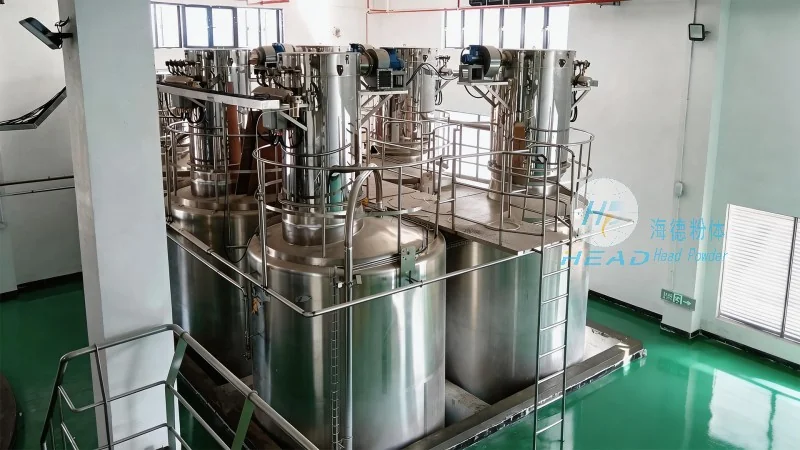
Conclusion
In conclusion, intelligent unpacking material conveying systems are a vital component of modern industrial material handling, offering efficient, reliable, and adaptable solutions for various applications. The core principles of these systems, including real-time monitoring, automation, and safety features, ensure that the material transfer process is optimized for performance and security. The working scene characteristics, such as material variability, high throughput requirements, and integration with other systems, highlight the importance of designing flexible and robust systems that can meet the specific needs of different industries. The application examples in sectors like chemicals, food, pharmaceuticals, and mining demonstrate the system's versatility and effectiveness. The advantages, including reduced labor costs, improved product quality, increased throughput, and enhanced data analytics, further underscore the value of adopting these systems. As industrial automation continues to advance, the role of intelligent unpacking material conveying systems will likely become even more critical in optimizing material handling processes and supporting the growth of industrial operations. For companies looking to enhance their material handling capabilities, investing in such systems can provide a competitive edge and contribute to long-term operational success.