

Principle and Working Scene Characteristics of Tote Bag Unloading Material Conveying
Understanding the mechanics and operational contexts of tote bag unloading material conveying is crucial for industries that rely on bulk material handling. This article delves into the fundamental principles behind this process and highlights key characteristics of its application in various working environments.
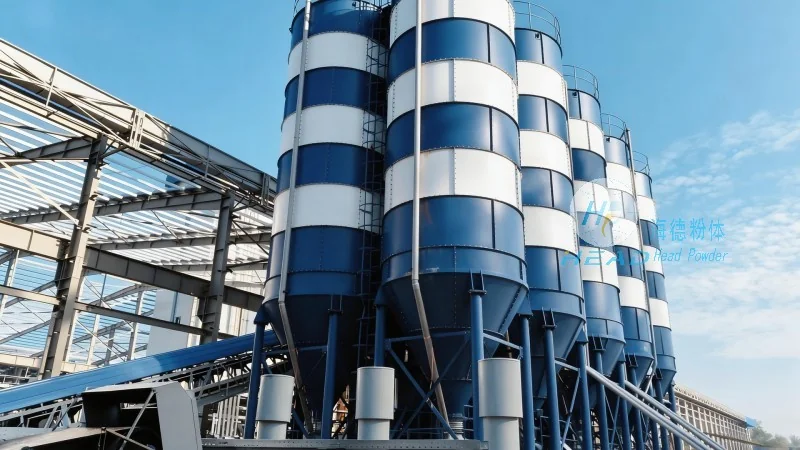
Introduction to Tote Bag Unloading Material Conveying
Tote bag unloading material conveying systems are designed to efficiently transfer bulk materials from tote bags into processing or storage systems. These systems are integral to industries such as chemical manufacturing, food processing, and pharmaceuticals, where handling large volumes of powders or granules is essential. The core principle revolves around the mechanical separation of the material from the tote bag, followed by the transport of the material to the next stage of production or storage.
Key Components and Operational Principles
The tote bag unloading material conveying system typically consists of several key components, including a tote bag support mechanism, a discharge valve or opening mechanism, and a conveyor system. The operational principle begins with the placement of a tote bag onto the support structure. The system then uses mechanical or pneumatic forces to open the tote bag and release the material. This material is then collected by a hopper or chute and transferred to a conveyor belt or other transport mechanism for further processing. The entire process is designed to be automated, minimizing manual intervention and ensuring consistent material flow.

Working Scene Characteristics and Applications
The characteristics of tote bag unloading material conveying make it suitable for a wide range of industrial applications. In chemical plants, for instance, these systems are used to handle hazardous powders and granules, ensuring safe and efficient transfer while maintaining environmental standards. In food processing facilities, the systems are designed to meet stringent hygiene and safety regulations, with components that are easy to clean and maintain. The versatility of the system also allows it to be adapted for use in pharmaceutical manufacturing, where precision and contamination control are paramount.
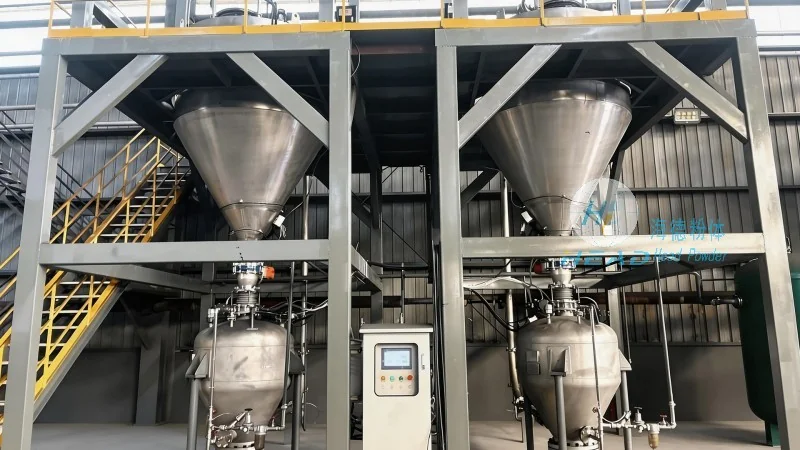
Efficiency and Advantages in Material Handling
One of the primary advantages of tote bag unloading material conveying is its ability to handle large volumes of material with minimal downtime. The automated nature of the process reduces the risk of human error and improves overall operational efficiency. Additionally, these systems are designed to be space-efficient, making them suitable for facilities with limited floor space. The modular design of many systems allows for easy integration with existing production lines, further enhancing their adaptability and cost-effectiveness.
Conclusion and Industry Impact
Tote bag unloading material conveying systems represent a significant advancement in bulk material handling technology. By combining mechanical efficiency with operational flexibility, these systems address the needs of modern industrial environments. As industries continue to demand higher productivity and safer working conditions, the importance of such systems will only grow. For companies operating in sectors that rely on bulk material processing, understanding and implementing effective tote bag unloading solutions is essential for maintaining competitiveness and operational excellence.