

Principles and Working Scene Characteristics of Aluminum Dross Material Handling
Aluminum dross material handling is a critical process in the aluminum industry, involving the efficient transport and management of aluminum dross—a byproduct generated during aluminum smelting and casting operations. The principles underlying these systems are designed to ensure safe, reliable, and cost-effective movement of dross from production points to processing or disposal facilities. Understanding these principles and the specific working scene characteristics is essential for optimizing operations and maintaining compliance with safety and environmental standards.
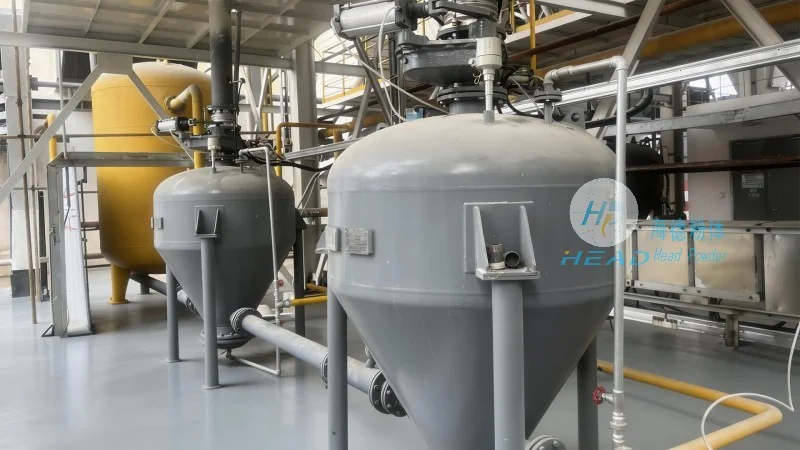
Key Principles of Aluminum Dross Material Handling
The core principles of aluminum dross material handling revolve around several key factors, including material properties, system design, and operational efficiency. Aluminum dross typically consists of a mixture of metal and slag, with varying compositions depending on the production process. Its handling requires specialized equipment capable of managing both the metallic and non-metallic components. The principles include:
- Ensuring proper containment and segregation to prevent contamination and environmental hazards.
- Utilizing equipment that can handle the abrasive and corrosive nature of aluminum dross to minimize wear and extend equipment lifespan.
- Implementing systems that optimize energy consumption and reduce operational costs through efficient material flow and minimal downtime.
Additionally, the principles emphasize the importance of safety protocols, as aluminum dross can be hot and pose fire risks. Proper ventilation, temperature control, and protective measures are integral to safe handling. The design of material handling systems must also consider the variability in dross characteristics, such as moisture content and particle size, to ensure consistent performance.
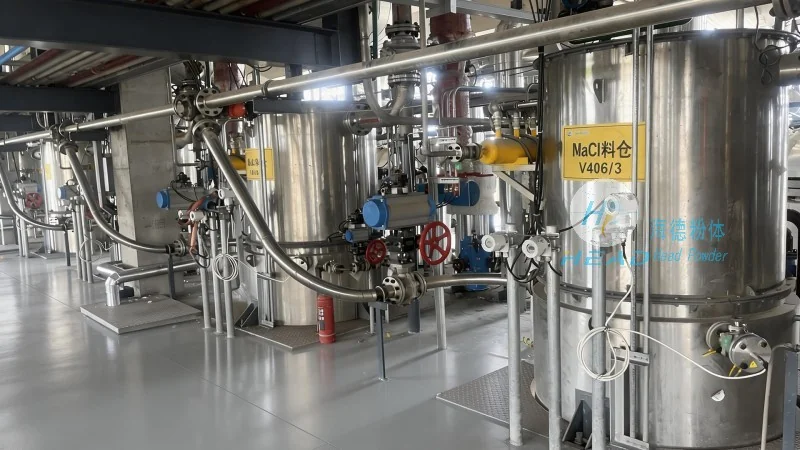
Working Scene Characteristics of Aluminum Dross Handling
The working scene characteristics of aluminum dross material handling vary significantly based on the specific industrial environment and production scale. In large-scale aluminum smelting facilities, for example, the volume of dross generated can be substantial, requiring high-capacity handling systems. These scenes often involve multiple stages of processing, from initial collection to transport to secondary processing or recycling. The characteristics include:
- High-volume throughput requirements, necessitating robust and durable equipment capable of continuous operation.
- Integration with existing production lines, requiring seamless coordination between dross handling and other manufacturing processes.
- Adaptability to different dross types, as facilities may process various grades of aluminum, each with distinct handling requirements.
In smaller or specialized operations, such as foundries or recycling centers, the working scene may involve more localized handling, with a focus on precision and flexibility. These environments may require equipment that can handle smaller batches or more varied dross compositions, such as those from different casting processes. The working scene characteristics also include considerations for space constraints, as facilities often have limited room for large handling equipment.
Equipment and Technologies Used in Aluminum Dross Material Handling
Various equipment and technologies are employed in aluminum dross material handling to address the unique challenges of the process. Conveyors, such as belt conveyors or screw conveyors, are commonly used for horizontal or inclined transport of dross. These systems are designed to handle the abrasive nature of dross while minimizing material degradation. For vertical transport, bucket elevators or pneumatic conveying systems may be utilized, depending on the distance and material characteristics.
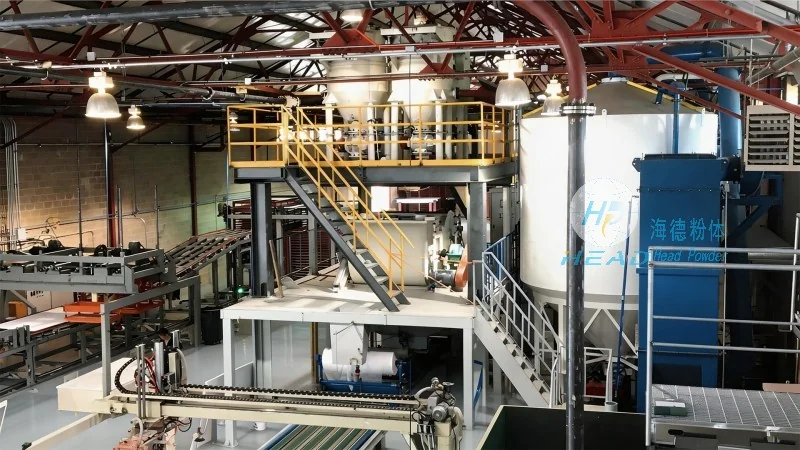
Crushers and grinders are often integrated into the system to reduce the size of dross particles, making them easier to transport and process. These devices help improve the efficiency of downstream processes, such as metal recovery or slag treatment. Additionally, magnetic separators may be used to separate metallic components from non-metallic slag, enhancing the purity of the processed material.
The choice of equipment is influenced by factors like the dross's moisture content, particle size distribution, and the required throughput. For example, wet dross may require different handling methods compared to dry dross, as moisture can affect the flow properties and equipment performance. Advanced technologies, such as automated control systems and real-time monitoring, are increasingly used to optimize the operation and maintenance of dross handling systems, ensuring consistent performance and reducing operational risks.
Operational Considerations and Best Practices
Operational considerations play a crucial role in the effective management of aluminum dross material handling. Regular maintenance of equipment is essential to prevent breakdowns and ensure consistent performance. This includes routine inspections, lubrication, and replacement of worn parts. Proper training for operators is also vital, as they need to understand the specific handling requirements of aluminum dross and follow safety protocols.
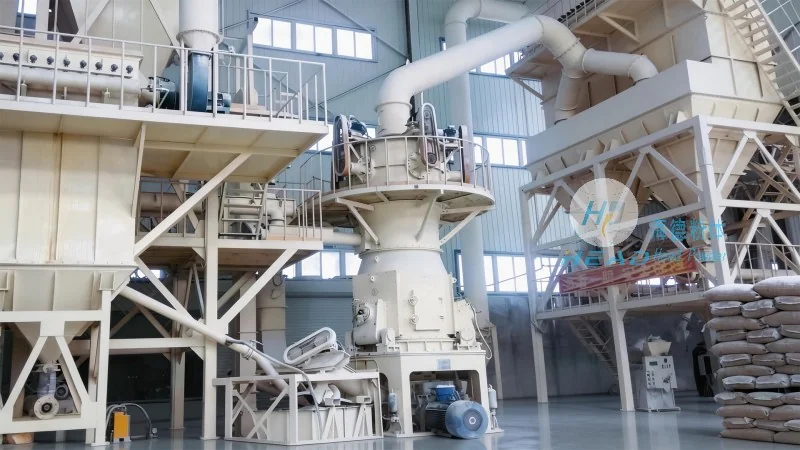
Environmental considerations are another key aspect, as dross handling can generate dust and emissions. Implementing dust collection systems and proper ventilation helps mitigate these issues and comply with environmental regulations. Additionally, recycling and recovery strategies are often integrated into the handling process, as aluminum dross contains valuable metal that can be reclaimed. This not only reduces waste but also contributes to the sustainability of the aluminum industry.
Best practices also include monitoring the quality of the dross being handled, such as its metal content and slag ratio. This helps in optimizing the processing steps and ensuring that the final product meets the required specifications. By adhering to these best practices, facilities can enhance the efficiency of their dross handling operations while maintaining safety and environmental standards.