

Principles and Working Scene Characteristics of Barite Material Conveying
Barite, a mineral widely used in various industrial applications, requires efficient and reliable material handling solutions for its transportation. This article explores the fundamental principles of barite material conveying systems and highlights the key characteristics of working environments where such systems are typically employed. The discussion is centered around the expertise of Shandong HeadPowder Engineering Co., Ltd., a leading provider in the field, with operations based in Shandong, China.
Understanding the Core Principles of Barite Material Conveying
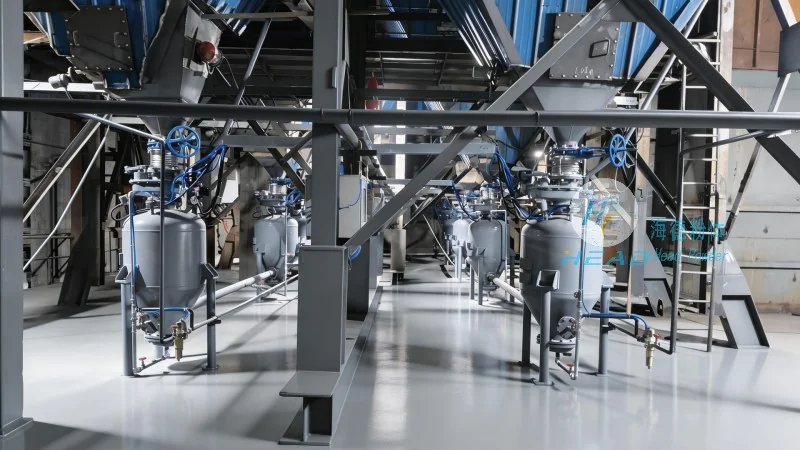
Barite material conveying systems are designed to transport barite, a heavy and often abrasive mineral, from its source to processing facilities or storage areas. The primary principle involves the use of specialized equipment such as belt conveyors, screw conveyors, and pneumatic conveying systems, each tailored to the specific properties of barite. Belt conveyors, for instance, are commonly used for bulk material handling due to their high capacity and ability to cover long distances. They are particularly effective for transporting barite in open-pit mining or quarry operations where large volumes of material need to be moved over extended distances. The design of belt conveyors for barite often includes reinforced belts to withstand the abrasive nature of the mineral and heavy loads. Screw conveyors, on the other hand, are ideal for vertical or inclined transport, allowing for the movement of barite through chutes and hoppers. These systems are commonly used in processing plants where barite needs to be elevated or moved horizontally over short distances. Pneumatic conveying systems, utilizing air pressure to transport barite in a dust-free environment, are suitable for applications requiring minimal contamination, such as in pharmaceutical or food processing industries, though they are less common for bulk barite due to higher energy consumption.
Key Working Scene Characteristics of Barite Material Conveying Systems
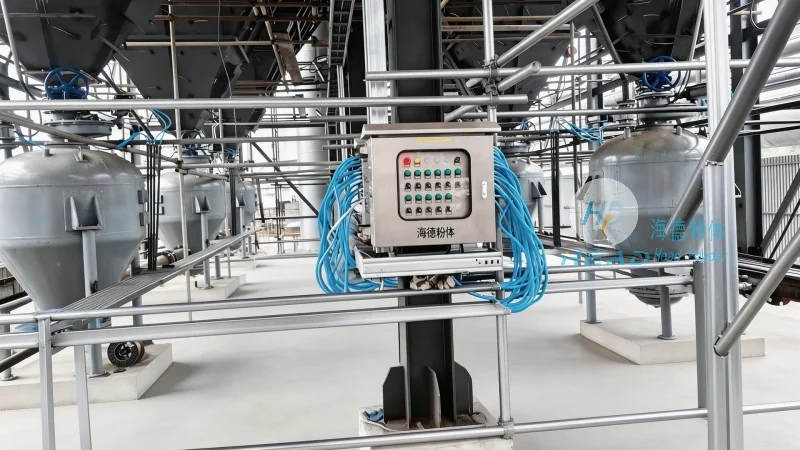
The working scenes where barite material conveying systems operate vary significantly based on the application and the scale of operations. In mining and quarrying environments, the systems are typically installed in open or semi-open areas, exposed to outdoor conditions. These environments often involve high humidity, temperature fluctuations, and dust, which necessitates robust equipment with weather-resistant components. The conveyors are usually constructed with heavy-duty frames and protective covers to shield against environmental factors and ensure operational reliability. In processing plants, the working scenes are more controlled, often indoors or in enclosed structures, with emphasis on maintaining cleanliness and preventing dust dispersion. The systems are integrated into production lines, where barite is processed into various forms, such as crushed or ground powders, for use in drilling fluids, paints, and other industrial products. The working scenes in these facilities require precise control over material flow, temperature, and moisture content to meet quality standards. Additionally, the systems must be designed to handle varying particle sizes and densities of barite, which can affect the conveying efficiency and equipment wear. In industrial applications, the working scenes may involve integration with other machinery, such as crushers, screens, and storage silos, requiring seamless coordination to maintain a continuous material flow. The characteristics of these working scenes include high operational speeds, continuous operation, and the need for regular maintenance to ensure optimal performance.
Application-Specific Considerations in Barite Material Conveying
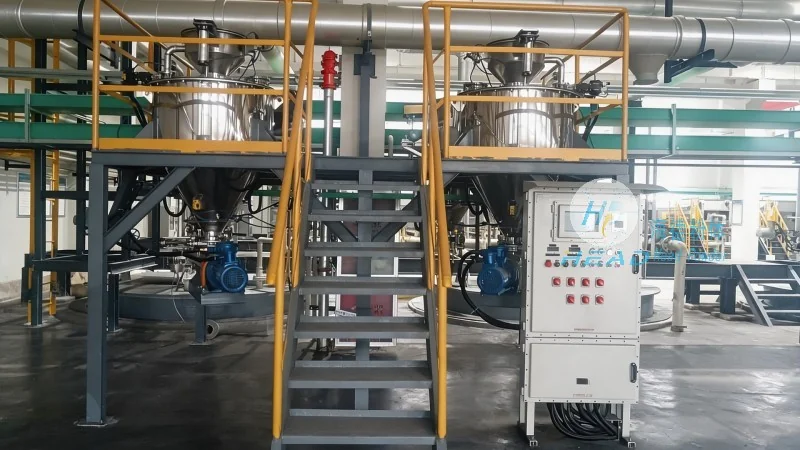
When implementing barite material conveying systems, several application-specific considerations must be taken into account to ensure efficiency and longevity. The first consideration is the particle size and density of the barite, as these factors directly impact the conveying speed and equipment selection. For example, fine-grained barite may require higher conveyor speeds or specialized belts to prevent material buildup and ensure smooth transport. The density of barite, being relatively high, necessitates equipment capable of handling heavy loads without excessive wear or breakdown. Another critical factor is the presence of moisture in the barite, which can affect its flow properties and cause issues like caking or blockages in the conveying system. Proper moisture control, such as drying the barite before conveying or using anti-caking agents, is essential to maintain system performance. The working environment also plays a role, with outdoor applications requiring equipment that can withstand harsh conditions, including extreme temperatures, rain, and wind. In contrast, indoor applications may focus on maintaining a clean and dust-free environment, which influences the choice of conveyor type and enclosure design. The scale of operations is another key consideration, as large-scale mining operations may require multiple conveyors connected in series or parallel to handle high throughput volumes. Smaller-scale applications, such as in laboratory or small-scale processing plants, may use more compact and flexible conveying systems, such as screw conveyors or small belt conveyors, to meet lower material handling demands. Finally, the integration with downstream processes, such as grinding or mixing, requires the conveying system to deliver barite with consistent quality and flow characteristics, ensuring that the final product meets the required specifications.
Advantages of Shandong HeadPowder Engineering Co., Ltd. in Barite Material Conveying Solutions
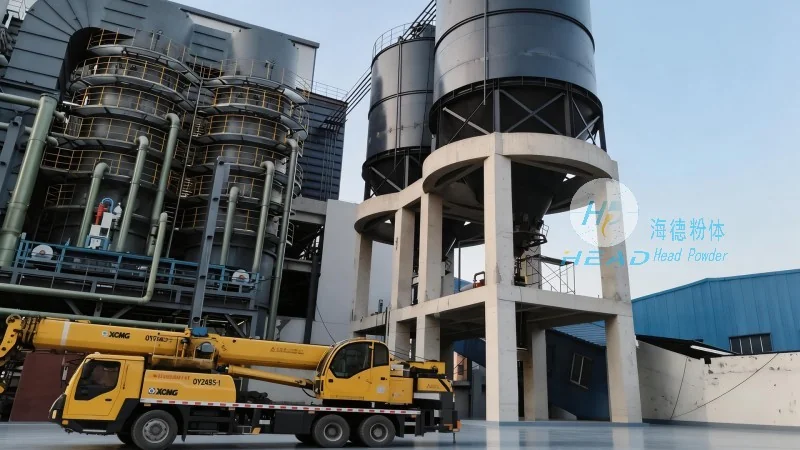
Shandong HeadPowder Engineering Co., Ltd., with its headquarters in Shandong, China, offers comprehensive solutions for barite material conveying systems, leveraging years of experience and expertise in the field. The company specializes in designing, manufacturing, and installing customized conveying systems tailored to the unique needs of barite handling operations. Their approach involves a thorough analysis of the client's requirements, including the type and quantity of barite, the operational environment, and the desired output specifications. This ensures that the final system is optimized for efficiency, reliability, and cost-effectiveness. The company utilizes advanced engineering techniques and high-quality materials in the construction of their conveying equipment, ensuring durability and minimal maintenance. For example, their belt conveyors are equipped with reinforced belts and heavy-duty frames, designed to withstand the abrasive nature of barite and heavy loads. Screw conveyors are manufactured with precision-engineered components, allowing for smooth and consistent material transport. Pneumatic conveying systems, when applicable, are designed with efficient air ducts and dust collection systems to maintain a clean and safe working environment. Shandong HeadPowder Engineering Co., Ltd. also provides comprehensive after-sales support, including maintenance services, spare parts supply, and technical assistance, ensuring that their clients can rely on their systems for long-term operation. The company's commitment to quality and customer satisfaction has made it a trusted partner in the barite industry, with a reputation for delivering reliable and efficient material conveying solutions.