

Principles and Working Scene Characteristics of Denitrification Urea Material Handling
Denitrification urea material handling is a critical process in industrial applications, particularly in power plants and chemical facilities where nitrogen oxide reduction is essential. The efficient transport of urea-based solutions for denitrification systems directly impacts the performance and compliance of environmental control measures. This article explores the underlying principles of denitrification urea material handling, as well as the key characteristics of its working scenes, providing a comprehensive overview for professionals in the field.
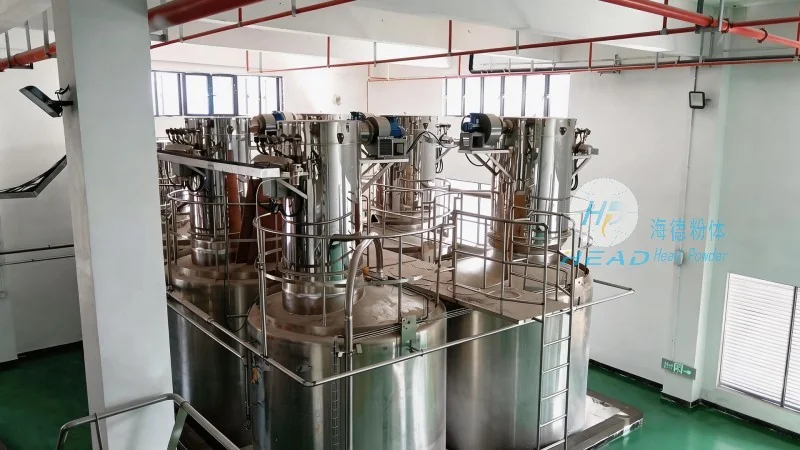
Principles of Denitrification Urea Material Handling
The core principle of denitrification urea material handling revolves around the accurate and reliable transport of urea solutions to the denitrification system. Urea, a common reagent in selective catalytic reduction (SCR) processes, is used to reduce nitrogen oxides (NOx) in flue gases. The material handling system must ensure that the urea solution is delivered at the correct concentration and flow rate to maintain optimal NOx reduction efficiency. Key principles include:
1. **Solution Preparation and Storage**: Urea is typically dissolved in water to form a concentrated solution, which is then stored in tanks. The storage system must be designed to prevent degradation or crystallization, ensuring the solution remains stable and usable. Proper temperature control and agitation are critical to maintain solution quality.
2. **Pump and Pipeline Systems**: Centrifugal or diaphragm pumps are commonly used to transport the urea solution through pipelines to the injection point. The pipeline system must be constructed from materials resistant to urea and corrosion, such as stainless steel or specialized coatings. Proper sizing of pipes and valves is essential to avoid pressure drops or flow restrictions that could affect the denitrification process.
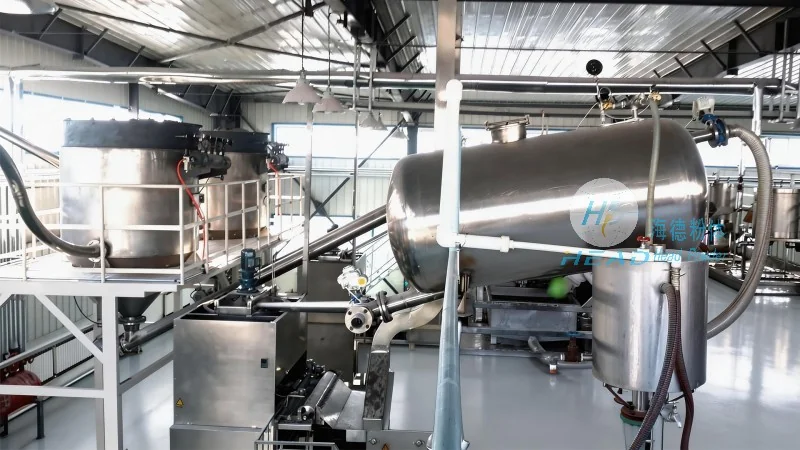
3. **Metering and Dosing Control**: Accurate metering and dosing of the urea solution are crucial to match the NOx concentration in the flue gas. Flow meters and control valves are used to regulate the flow rate, ensuring that the right amount of urea is injected at the right time. Advanced control systems, often integrated with the plant's DCS (Distributed Control System), provide real-time monitoring and adjustment of the dosing process.
4. **Safety and Environmental Considerations**: The handling of urea solutions requires adherence to safety protocols to prevent spills, leaks, or exposure to personnel. Proper containment, emergency shut-off systems, and regular maintenance are essential to minimize environmental impact and ensure operational safety.
Working Scene Characteristics of Denitrification Urea Material Handling
The working scenes of denitrification urea material handling vary based on the scale and type of industrial facility. Key characteristics include:
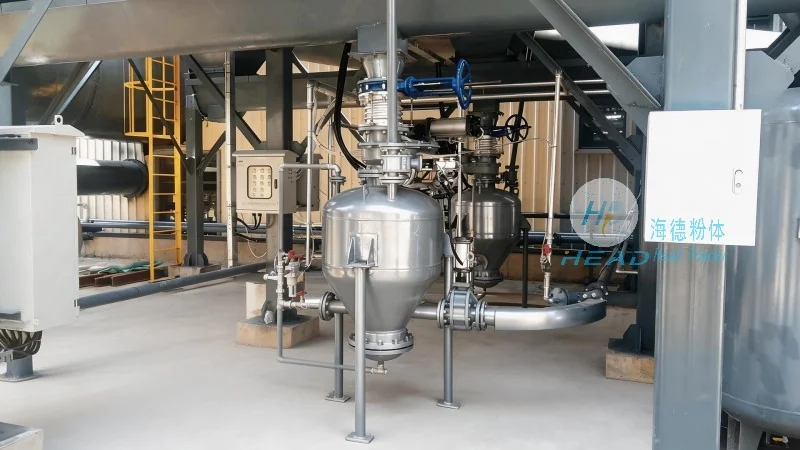
1. **Industrial Power Plants**: In thermal power plants, the denitrification system is integrated with the boiler and flue gas treatment unit. The material handling system must handle large volumes of urea solution, often at high pressures and temperatures. The working environment is typically high-temperature and high-pressure, requiring robust equipment and regular maintenance to ensure continuous operation.
2. **Chemical Manufacturing Facilities**: In chemical plants producing urea or other nitrogen-based compounds, the material handling system may be part of a larger production line. The working scene involves precise control of solution concentration and flow, often in conjunction with other chemical processes. The environment may include corrosive substances and varying temperatures, necessitating specialized equipment and materials.
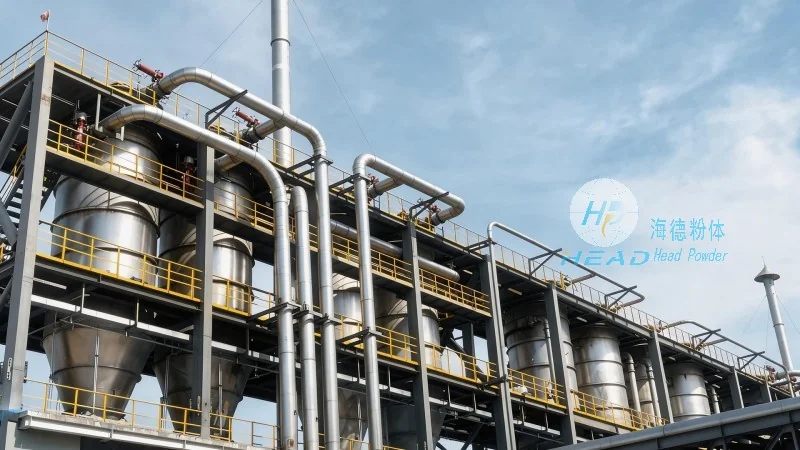
3. **Waste-to-Energy Plants**: In waste-to-energy facilities, the denitrification system is used to treat flue gases from combustion processes. The material handling system must be designed to handle the unique characteristics of flue gases, such as high particulate content and varying NOx levels. The working scene is often more complex due to the variability of the input materials.
4. **Environmental Compliance**: The working scene is heavily influenced by regulatory requirements for NOx emissions. The denitrification system must meet or exceed emission standards, making the material handling process a critical component of overall compliance. Regular monitoring and maintenance of the system are essential to ensure consistent performance and avoid penalties.
Company Profile: Shandong HeadPowder Engineering Co., Ltd.
Shandong HeadPowder Engineering Co., Ltd., a leading provider of industrial material handling solutions, specializes in designing and manufacturing systems for denitrification urea material handling. With headquarters in Shandong, China, the company has extensive experience in serving power plants, chemical facilities, and other industrial sectors. HeadPowder Engineering focuses on delivering reliable, efficient, and cost-effective solutions that meet the specific needs of each client. The company's expertise in material handling systems ensures that clients receive tailored solutions that enhance operational efficiency and environmental compliance.