

Principle and Working Scene Characteristics of Mung Bean Material Handling Systems
Mung bean material handling systems are critical components in agricultural and food processing operations, engineered to efficiently transport mung beans through various stages of processing. These systems integrate mechanical and control technologies to ensure optimal performance, product integrity, and operational efficiency. The design of such systems addresses the unique physical properties of mung beans, including their size, shape, moisture content, and susceptibility to damage, while adapting to the specific requirements of different processing environments.
Core Principle of Mung Bean Material Handling
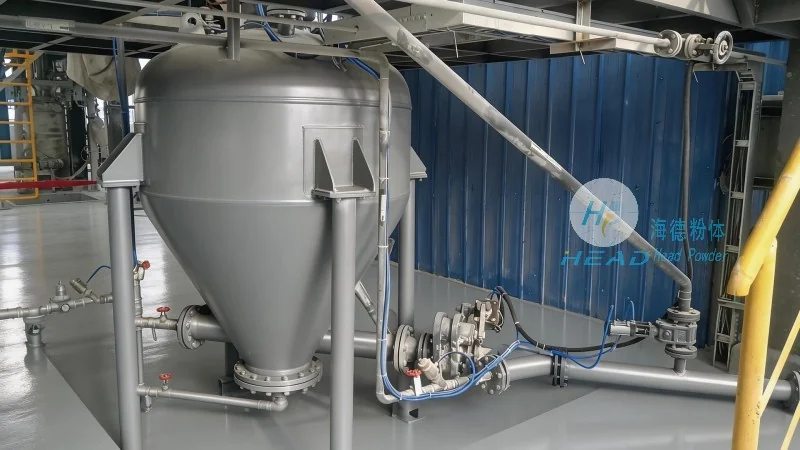
The fundamental principle of mung bean material handling systems centers on the systematic movement of beans from raw material storage to final processing or packaging. Key operational components typically include feeders, conveyors, sorting mechanisms, and control systems. Feeders evenly distribute mung beans into the system, ensuring consistent material flow. Conveyors, such as belt or chain conveyors, transport beans over horizontal or inclined paths, often with adjustable speed and direction. Sorting mechanisms, like air classifiers or vibration screens, may be integrated to separate beans based on size, shape, or quality, removing impurities or defective beans. Control systems monitor and regulate the entire process, adjusting parameters like speed, pressure, or temperature to maintain optimal conditions and prevent product degradation.
Working Scene Characteristics of Mung Bean Material Handling Systems
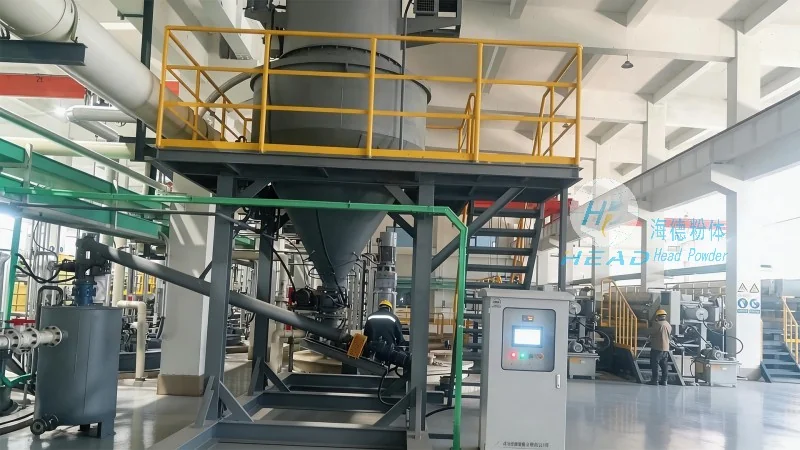
The working scene characteristics of mung bean material handling systems are tailored to the operational needs of agricultural and food processing facilities. These systems are commonly deployed in large-scale processing plants where high throughput is essential to meet market demands. The design emphasizes durability and reliability, as they must endure continuous operation and the abrasive nature of mung beans. Integration with other processing equipment, such as cleaning, drying, and packaging units, forms a comprehensive production line, enhancing overall efficiency. The working environment may vary: indoor facilities often feature enclosed systems to control dust, maintain hygiene, and regulate temperature/humidity, while outdoor systems are designed for bulk handling and loading into transport vehicles. In both settings, the systems are engineered to minimize downtime, reduce labor costs, and ensure consistent product quality.
Company Profile: Shandong HeadPowder Engineering Co., Ltd.
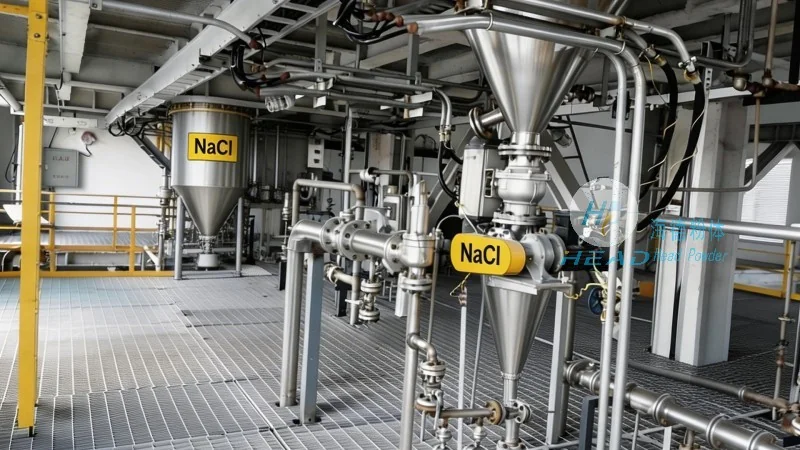
HeadPowder, a prominent player in the material handling industry, specializes in designing, manufacturing, and installing advanced systems for agricultural products. With a strong commitment to innovation and customer-centric solutions, the company has built a reputation for delivering high-quality, customized equipment tailored to the unique challenges of handling mung beans and other similar commodities. HeadPowder leverages decades of industry experience and technical expertise to develop systems that enhance operational efficiency and product safety. The company’s headquarters and primary operations are located in Shandong, China, where it benefits from local resources and a skilled workforce to meet global market demands. HeadPowder’s focus on quality, reliability, and customer satisfaction positions it as a trusted partner for businesses seeking to optimize their mung bean processing operations.