

Principles and Operational Characteristics of Arsenic Trioxide Material Handling System Equipment
Shandong HeadPowder Engineering Co., Ltd., based in Shandong, China, specializes in the design, manufacturing, and implementation of advanced material handling systems tailored for the safe and efficient transport of arsenic trioxide. This equipment is engineered to meet stringent safety and operational standards, ensuring reliable performance in industrial applications.
System Principle and Core Components
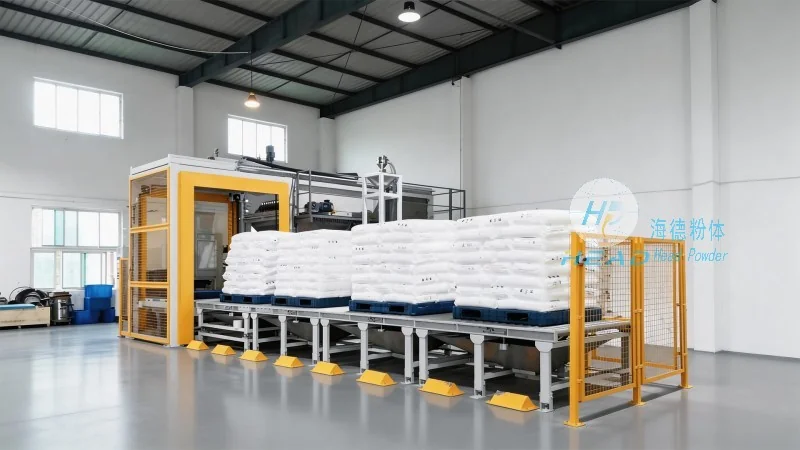
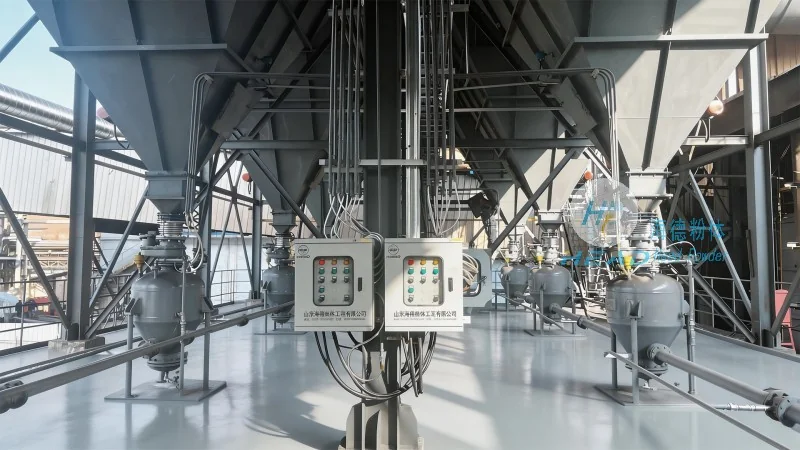
The arsenic trioxide material handling system operates on a modular design that integrates several key components to facilitate the safe transfer and storage of the material. At its core, the system utilizes enclosed conveyor mechanisms, dust collection systems, and automated control interfaces to minimize exposure risks and enhance operational efficiency. The enclosed design is critical for containing fine particles and preventing airborne dispersion, which is essential for maintaining compliance with environmental and occupational health regulations. Motorized drives, typically equipped with variable frequency drives (VFDs), allow for precise control over the material flow rate, enabling operators to adjust speed based on production demands. This adjustability is vital for handling varying material consistencies and ensuring smooth operation. Integrated sensors, including level detectors and overload indicators, provide real-time monitoring of system performance and potential hazards. These sensors trigger alarms or automatic shutdowns if abnormal conditions are detected, further enhancing safety. The system's architecture is built to be scalable, enabling customization for various production volumes and facility layouts. This flexibility allows manufacturers to adapt the system as their production needs evolve, ensuring long-term investment value.
Operational Scenario Characteristics
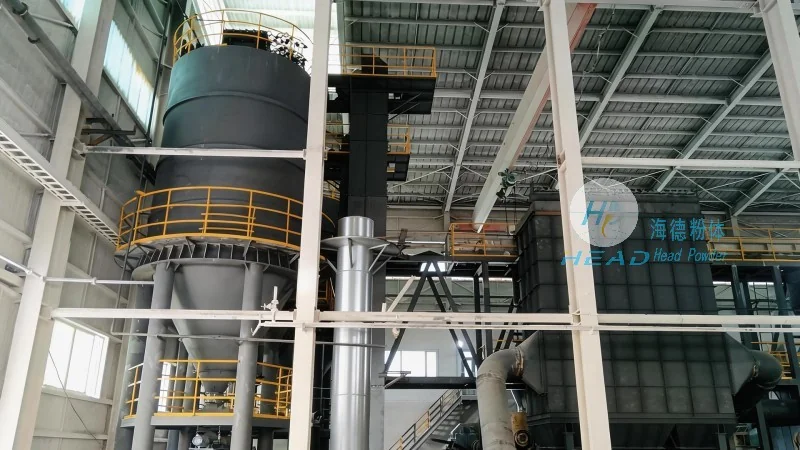
The operational scenarios where this material handling system is typically deployed are characterized by high-volume processing requirements in chemical and pharmaceutical manufacturing facilities. These environments demand robust equipment capable of handling abrasive and potentially hazardous materials without compromising safety or productivity. The system is commonly used in processes such as bulk material transfer from storage silos to processing lines, intermediate handling between different production stages, and final packaging or shipping operations. In these scenarios, the system's ability to maintain consistent material flow rates and minimize downtime is crucial for maintaining production throughput. For example, in a pharmaceutical manufacturing plant, the system efficiently transfers arsenic trioxide from bulk storage to a mixing unit, ensuring that the production line operates continuously without interruptions. Similarly, in a chemical processing facility, the system handles the material between reaction vessels and filtration units, supporting the overall production cycle. The system's integration with existing industrial infrastructure allows for seamless integration into existing workflows, reducing the need for extensive facility modifications. This adaptability makes it suitable for both new installations and retrofitting into existing production lines.
Key Features and Advantages
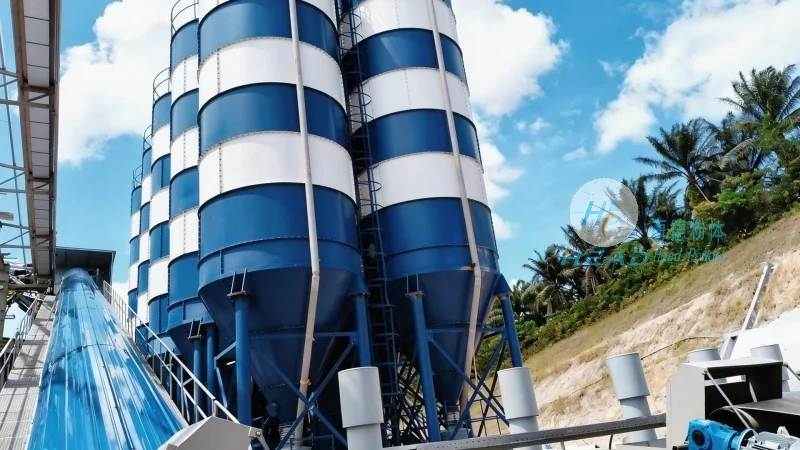
One of the primary advantages of the arsenic trioxide material handling system is its emphasis on safety and compliance. The enclosed design and integrated dust suppression systems significantly reduce the risk of exposure to arsenic trioxide, a substance known for its toxicity and environmental impact. This design aligns with global safety standards and regulatory requirements, such as those from OSHA and the EPA, providing users with peace of mind regarding operational safety. The system also offers enhanced operational efficiency through its automated controls and adjustable speed capabilities, which allow for precise control over material handling processes. This precision helps minimize material waste and optimize production cycles, leading to cost savings over time. Furthermore, the modular construction of the system enables easy maintenance and component replacement, reducing downtime and maintenance costs over the equipment's lifecycle. For instance, if a conveyor belt or motor component fails, it can be replaced without disassembling the entire system, minimizing repair time. The system's durability, built to withstand the rigors of continuous operation in industrial settings, ensures long-term reliability and performance. This durability is achieved through the use of high-quality materials, such as stainless steel for contact surfaces and corrosion-resistant components, which are designed to resist wear and tear from abrasive materials.