

Principles and Working Scene Characteristics of Pneumatic Conveying for Chromium Oxide Powder
Chromium oxide powder, a vital component in numerous industrial applications, often requires efficient and reliable transport solutions to maintain smooth production workflows. Pneumatic conveying emerges as a sophisticated method for handling such powders, offering benefits in terms of safety, cleanliness, and operational adaptability. This article explores the principles underlying pneumatic conveying for chromium oxide powder and examines the unique characteristics of its operational environments, shedding light on how this technology optimizes material handling in industrial settings.
Understanding the Core Principles of Pneumatic Conveying
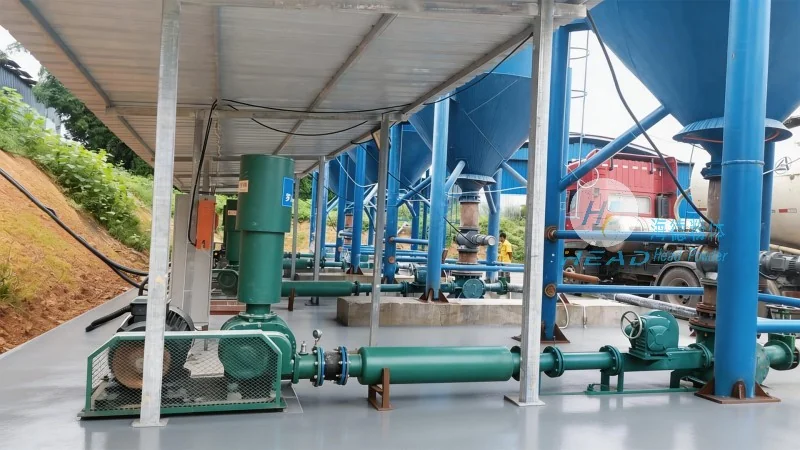
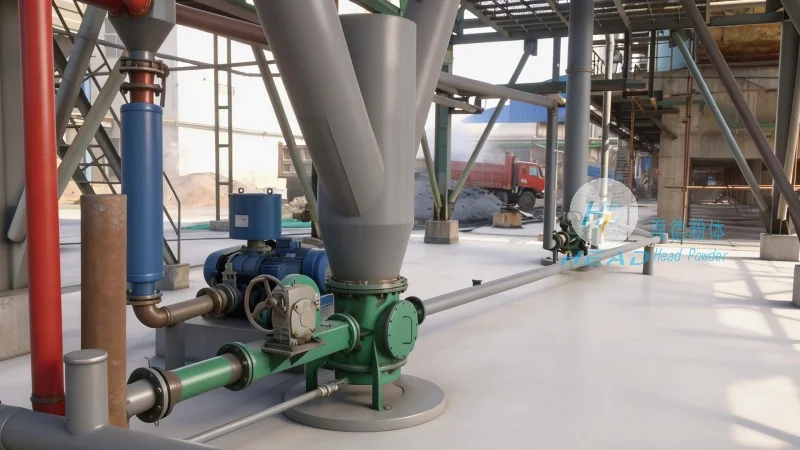
Pneumatic conveying involves transporting bulk materials, including powders, through a pipeline using a stream of air or gas. The fundamental principle revolves around creating a pressure differential or utilizing suction to move the material from the source to the destination. For chromium oxide powder, this process typically employs either pressure or vacuum systems, each with distinct advantages and applications. Pressure systems utilize compressed air to push the powder through the pipeline, while vacuum systems create a negative pressure to draw the material in. The selection between these systems depends on factors such as the material's properties, the distance to be conveyed, and the required flow rate. Given chromium oxide's fine and potentially abrasive nature, the design of the conveying system must account for particle size, moisture content, and dust generation to prevent blockages or equipment wear. The conveying process comprises several key components: a material feed hopper, a conveyor line (often incorporating bends and expansions), and a receiver or discharge point. The air flow rate is meticulously controlled to maintain a consistent velocity, ensuring the powder remains suspended and moves efficiently without settling or clogging. This suspension is critical for preserving the powder's integrity during transport and preventing degradation.
Characteristics of Working Scenes in Pneumatic Conveying for Chromium Oxide Powder
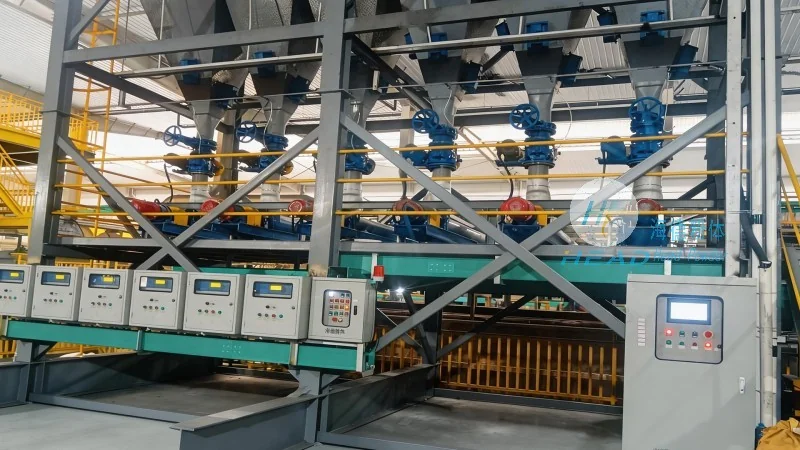
The operational environments where pneumatic conveying is applied for chromium oxide powder vary based on the specific industrial processes involved. These scenes are defined by distinct operational requirements and environmental considerations. A common application is in the production of pigments and coatings, where chromium oxide serves as a colorant. In such settings, the conveying system transports the powder from storage silos to processing equipment, typically over short to medium distances. The working environment may involve humidity or temperature fluctuations, which can affect the powder's flow characteristics. Another scenario is in the manufacturing of ceramics or refractory materials, where chromium oxide is used as an additive. Here, the conveying system moves the powder from a mixing area to a kiln or extrusion machine, requiring precise control over the flow rate to maintain consistent material composition. The working scene also emphasizes dust control and safety, as chromium oxide powder can be hazardous if inhaled. Proper ventilation and filtration systems are essential to ensure a safe working environment. Additionally, the scale of operations varies, from small-scale laboratory applications to large industrial plants, each with different throughput needs. The characteristics of the working scene influence the choice of system design, such as using flexible hoses for short-distance transport or rigid pipelines for longer distances. The integration of the conveying system with other production equipment, like mixers or reactors, is another key aspect, as it must ensure seamless material transfer without interruptions or contamination.
Advantages and Considerations for Pneumatic Conveying Systems
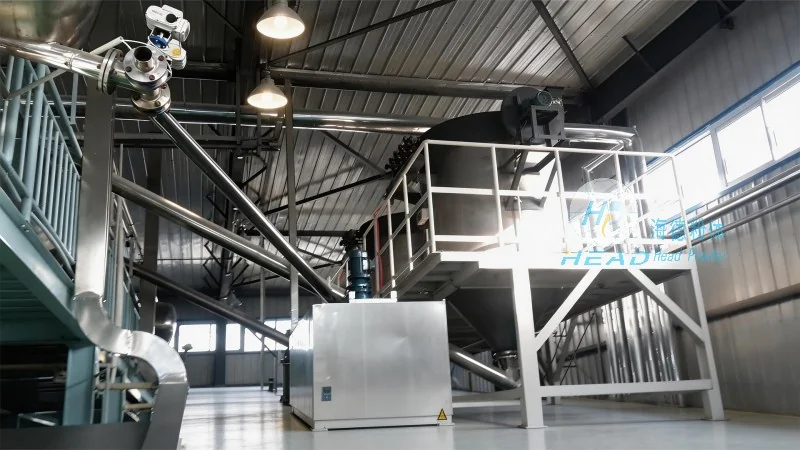
Implementing pneumatic conveying for chromium oxide powder offers several advantages that make it a preferred choice in many industries. One primary benefit is the ability to handle fine powders without mechanical components that could cause wear or contamination, resulting in a cleaner and more hygienic process. The system also enables enclosed transport, minimizing dust exposure and environmental impact. Another advantage is the flexibility in system design, allowing adaptation to various production layouts and expansion needs. However, there are considerations to address. The cost of compressed air or vacuum systems can be higher than other transport methods, and energy consumption must be managed efficiently. Additionally, the risk of material degradation due to high velocities or turbulence needs to be mitigated through proper system design and maintenance. Ongoing maintenance, including cleaning and component replacement, is also a factor to ensure long-term operational efficiency. In summary, pneumatic conveying provides a robust solution for transporting chromium oxide powder, balancing efficiency, safety, and operational flexibility.