

Principles and Working Scene Characteristics of Bulk Powder Pneumatic Conveying Systems in Grain Sil
For grain storage facilities, efficient and reliable material handling is crucial to ensure smooth operations and maintain product quality. Among the various technologies available, bulk powder pneumatic conveying systems have emerged as a preferred solution for transporting grain and other bulk materials within silos. This article explores the fundamental principles behind these systems and highlights the key characteristics of their working environments, with a focus on the applications and benefits they offer in grain storage operations.
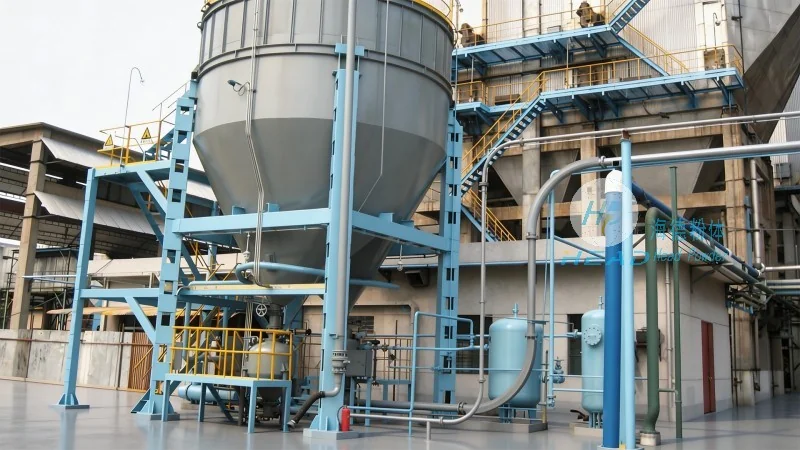
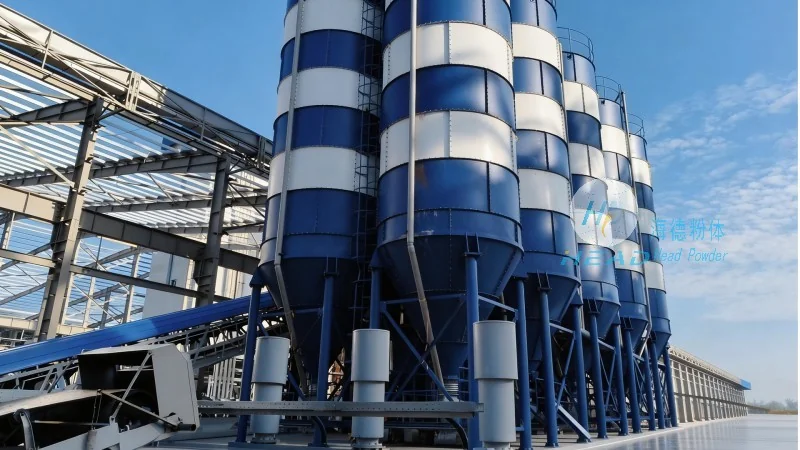
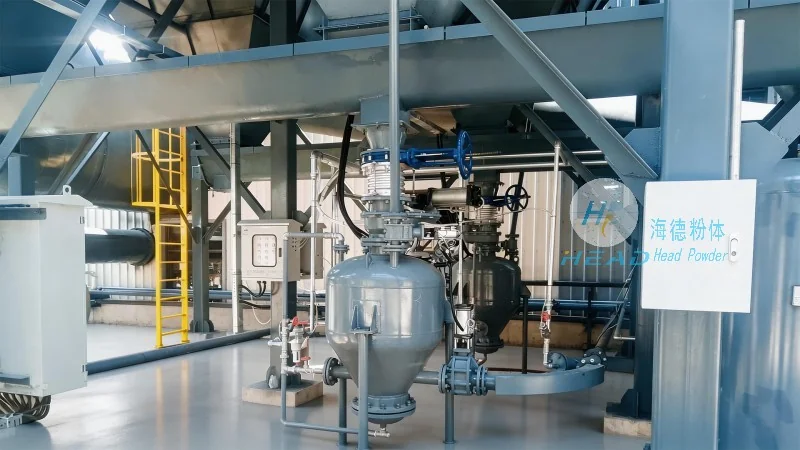
Principles of Bulk Powder Pneumatic Conveying Systems
Bulk powder pneumatic conveying systems rely on the fundamental physics of fluid dynamics to transport dry materials through a closed pipeline network. The process begins with the material being fed into a hopper or silo, where it is then introduced into the conveying line via a rotary valve or similar feeder. Compressed air, typically supplied by an air compressor, is introduced into the pipeline, creating a pressure differential that propels the material forward. The air and material mixture travels through the pipeline, with the air providing the necessary force to move the material while also acting as a carrier. The system's efficiency depends on several key factors, including the air velocity, the material's bulk density, and the pipeline diameter. Higher air velocities can increase the conveying capacity but may also lead to higher energy consumption and increased wear on system components. Conversely, lower velocities may reduce wear but could result in lower material throughput. The design of the system must balance these factors to achieve optimal performance. In grain silos, the material being transported is often a fine powder or granular substance, which requires careful consideration of the system's ability to handle particulate size and flow characteristics. For example, systems designed for transporting wheat may need to accommodate the material's tendency to form clumps or bridge in the hopper, which can be mitigated by incorporating vibration or air agitation features in the feeder. The choice of pneumatic conveying type—pressure or vacuum—also impacts the system's design. Pressure systems, which use positive pressure to push material through the pipeline, are commonly used for longer distances and higher material loads, as they can maintain consistent flow even over extended lengths. Vacuum systems, on the other hand, use negative pressure to pull material from the source, making them suitable for shorter distances or when the material needs to be transported from a lower elevation to a higher one. The selection of the appropriate system type is critical to ensuring efficient and reliable operation in grain storage environments.