

Principle and Working Scene Characteristics of Small Bag Weighing Feeding Powder Pneumatic Conveying
HeadPowder, a leading engineering company based in Shandong, China, specializes in the design and manufacturing of advanced powder handling systems. The small bag weighing feeding system is a critical component in modern powder processing, offering precise control and efficient material transfer. This article explores the fundamental principles of this system and its distinctive working scene characteristics, highlighting its applications in various industrial sectors.
The Principle of Small Bag Weighing Feeding
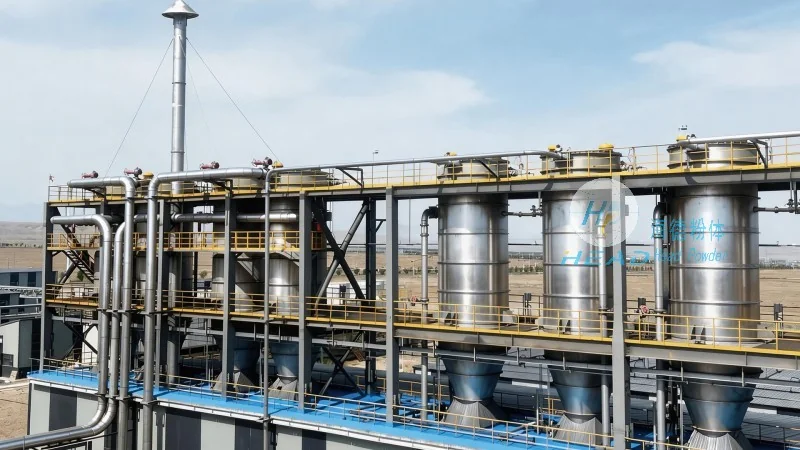
The small bag weighing feeding system operates on the principle of accurate weight measurement and controlled material discharge from bulk bags (also known as big bags or FIBCs). The system typically consists of a hopper, a weighing scale, a feeder, and a pneumatic conveying line. When a bulk bag is placed on the weighing platform, the system first measures the total weight of the bag and the material inside. Once the weighing process is complete, the feeder opens to allow a pre-determined amount of powder to be discharged into the hopper. The weighing scale continuously monitors the weight, ensuring that the discharge rate is precisely controlled to meet the required feed rate. This closed-loop control system minimizes material loss and ensures consistent feed rates, which is crucial for processes such as blending, mixing, and packaging.
Working Scene Characteristics
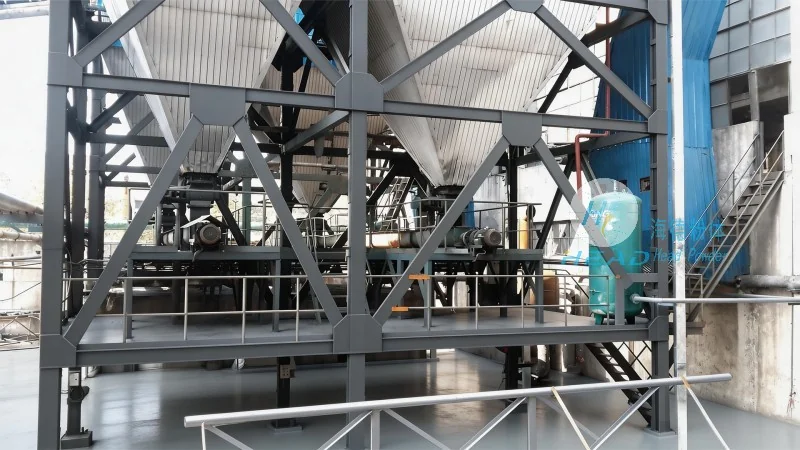
The small bag weighing feeding system is designed to operate in diverse industrial environments, each with unique requirements for material handling. The key characteristics of this system in different working scenes include:
- High Precision and Accuracy: The system is engineered to deliver precise weight measurements and controlled feeding rates, reducing variability in the final product. This is particularly important in pharmaceutical, food, and chemical industries where product consistency is paramount.
- Efficient Material Transfer: By integrating pneumatic conveying technology, the system efficiently transfers the discharged powder from the hopper to the next processing stage, minimizing the need for manual handling and reducing the risk of contamination.
- Space Efficiency: The compact design of the small bag weighing feeding system makes it suitable for installations in limited spaces, such as in existing production lines or in new plant constructions.
- Easy Integration: The system can be easily integrated with existing production equipment, such as mixers, blenders, and packaging machines, allowing for seamless workflow and improved operational efficiency.
- Low Maintenance: The robust construction and simple operation of the system result in low maintenance requirements, reducing downtime and operational costs.
Applications in Different Industries
The small bag weighing feeding system is widely used in various industries where bulk powder handling is essential. In the pharmaceutical industry, it is used for the precise feeding of active pharmaceutical ingredients (APIs) and excipients, ensuring that the final dosage forms meet stringent quality standards. In the food industry, it is employed for the controlled feeding of ingredients like flour, sugar, and spices, maintaining product consistency and safety. The chemical industry utilizes this system for the handling of various powders, including chemicals and pigments, ensuring safe and efficient processing. Additionally, in the agricultural sector, it is used for the feeding of fertilizers and other agricultural chemicals, supporting efficient crop production.
Advantages of the Small Bag Weighing Feeding System
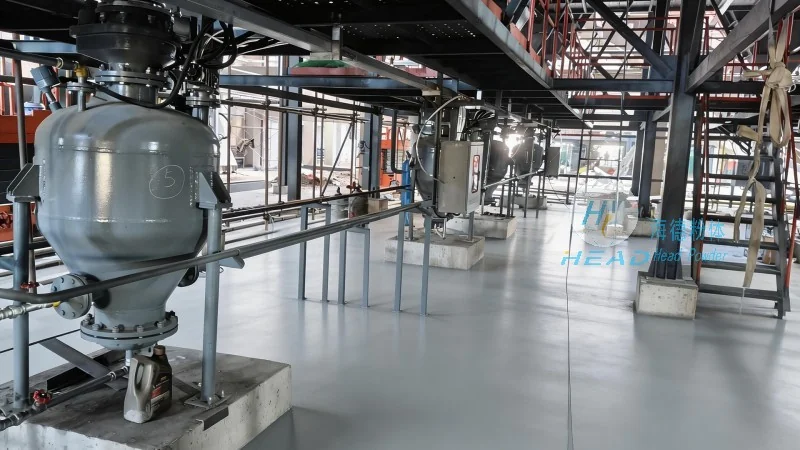
Compared to traditional feeding methods, the small bag weighing feeding system offers several advantages that enhance operational efficiency and product quality. The primary advantages include: