

Principle and Working Scene Characteristics of Sugar Powder Pneumatic Conveying Equipment
HeadPowder, a leading provider of industrial conveying solutions, specializes in the design and manufacturing of sugar powder pneumatic conveying equipment. This article explores the fundamental principles behind these systems and highlights the key working scene characteristics that make them essential in the sugar processing industry.
Understanding the Core Principle of Pneumatic Conveying for Sugar Powders
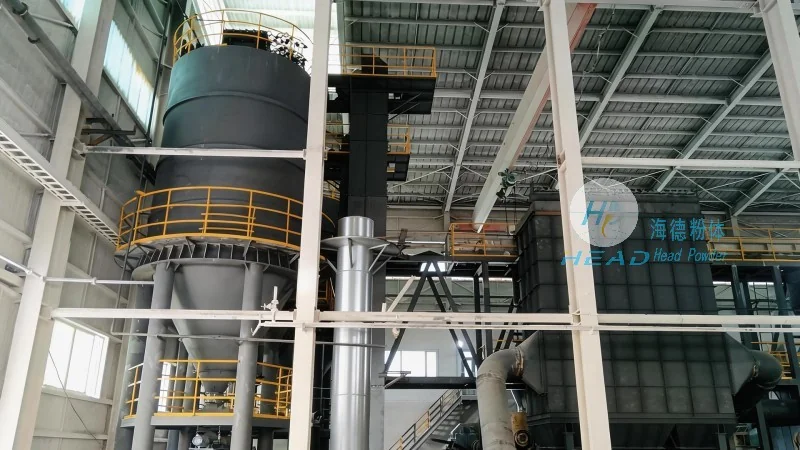
The primary principle of sugar powder pneumatic conveying involves the use of compressed air to transport dry bulk materials like sugar through a pipeline system. Unlike traditional mechanical conveying methods, which rely on belts, screws, or buckets, pneumatic systems utilize air pressure to move the material. This method is particularly effective for handling fine powders such as sugar, as it minimizes product degradation and contamination. The equipment typically consists of a hopper for material storage, a blower or compressor to generate the air flow, and a pipeline network that directs the material to its destination. The process begins when sugar is fed into the hopper, where it is then drawn into the conveying line by the air flow. The air velocity is carefully controlled to ensure the sugar particles are suspended and transported efficiently without clogging or damage.
Key Working Scene Characteristics of Sugar Powder Pneumatic Conveying Systems
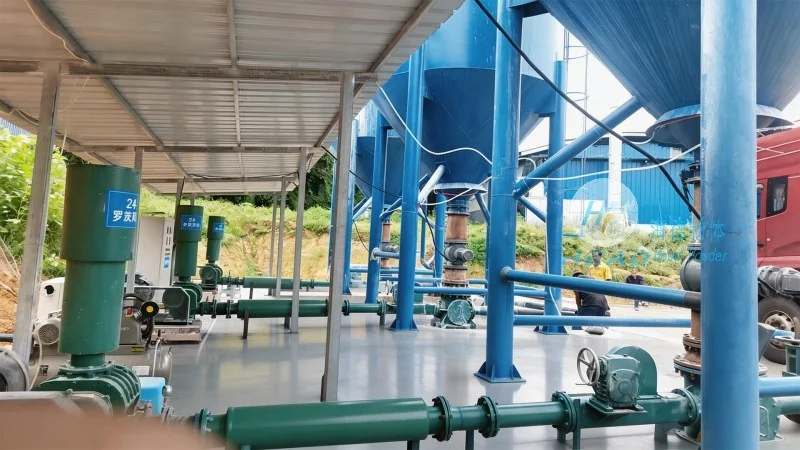
Several critical characteristics define the effectiveness and suitability of sugar powder pneumatic conveying systems in various industrial applications. Firstly, the system's ability to handle fine, abrasive powders like sugar without causing wear or degradation is a significant advantage. The air flow design minimizes particle impact on equipment components, extending the lifespan of the machinery. Secondly, the flexibility of pneumatic conveying allows for multi-point loading and unloading, enabling complex material flow paths that are often required in large-scale sugar processing facilities. This adaptability is crucial for integrating the equipment into existing production lines without major modifications. Thirdly, the system's hygienic design is essential in food processing environments, where contamination control is paramount. The use of stainless steel components and sealed systems ensures compliance with food safety regulations, making it suitable for direct handling of sugar products. Additionally, the energy efficiency of modern pneumatic conveying systems contributes to lower operational costs, as they require less power compared to some mechanical alternatives. The ability to handle varying material flow rates also enhances operational flexibility, allowing facilities to adjust production based on demand.
Application Scenarios in Sugar Processing Industry
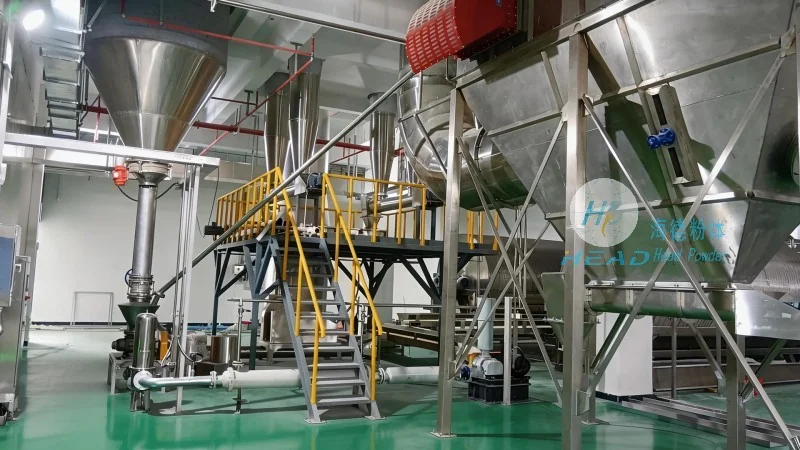
Sugar powder pneumatic conveying equipment is widely used in various stages of the sugar production and processing chain. In the raw sugar handling phase, the system efficiently transports sugar from storage silos to processing units, ensuring a continuous supply of raw material. During the refining process, the equipment is used to convey refined sugar from one processing stage to another, such as from the crystallization tank to the packaging line. In the packaging and distribution phase, the system helps move sugar from bulk storage to packaging machines, reducing manual handling and improving safety. The equipment is also utilized in the production of sugar derivatives, such as powdered sugar or confectionery sugar, where precise material handling is critical to maintain product quality. Furthermore, the system's ability to handle different sugar types, including white sugar, brown sugar, and raw sugar, makes it versatile for diverse applications within the industry.
Advantages of Choosing HeadPowder's Pneumatic Conveying Solutions
HeadPowder Engineering Co., Ltd., based in Shandong, China, offers advanced sugar powder pneumatic conveying systems that combine efficiency, reliability, and compliance with industry standards. The company's expertise in industrial conveying technology ensures that their equipment is tailored to meet the specific needs of sugar processing facilities. Key advantages of their solutions include robust construction to withstand the abrasive nature of sugar powders, advanced control systems for precise flow management, and comprehensive maintenance support to minimize downtime. The company's commitment to quality is reflected in their adherence to international standards, ensuring that their products are durable and long-lasting. Additionally, HeadPowder provides customized solutions to address unique challenges faced by different sugar processing plants, such as varying production volumes or complex material flow requirements. By choosing HeadPowder's pneumatic conveying equipment, sugar processing facilities can enhance operational efficiency, reduce costs, and improve product quality.
Conclusion
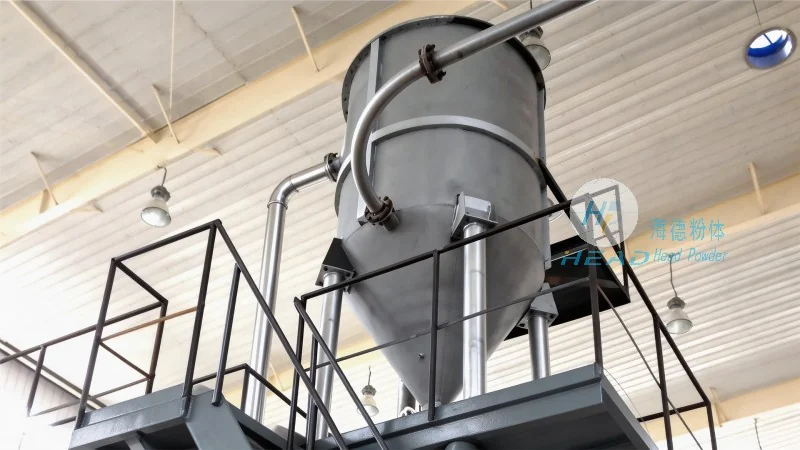
Sugar powder pneumatic conveying equipment, based on the principles of air-assisted material transport, offers significant benefits in the sugar processing industry. The systems' ability to handle fine powders efficiently, maintain product quality, and adapt to various working scenarios makes them indispensable in modern sugar production. HeadPowder Engineering Co., Ltd., with its expertise and commitment to quality, provides reliable solutions that meet the evolving needs of the industry. As sugar processing facilities continue to seek more efficient and effective conveying methods, pneumatic systems remain a top choice, and companies like HeadPowder play a crucial role in advancing this technology.