

Principles and Working Scene Characteristics of Pneumatic Conveying for PP Pellet Materials
For industries dealing with polypropylene (PP) pellets, efficient material handling is crucial for maintaining production efficiency and operational reliability. Pneumatic conveying offers a versatile solution for transporting PP pellets, and understanding its principles and application scenarios is essential for optimizing material flow in various industrial settings. This article explores the fundamental principles of pneumatic conveying for PP pellets and highlights key working scene characteristics that define its effectiveness in different operational contexts.
Principles of Pneumatic Conveying for PP Pellets
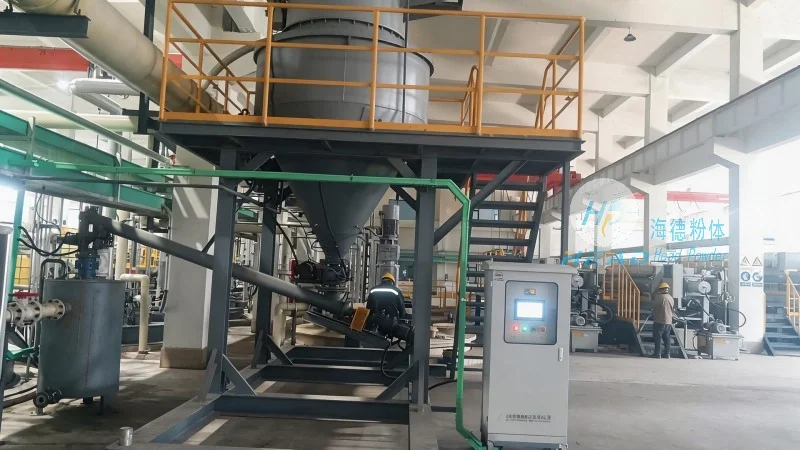
Pneumatic conveying utilizes air or gas as the conveying medium to transport solid materials like PP pellets through a pipeline system. The core principle involves creating a pressure differential or using vacuum to move the pellets along the pipeline. There are two primary types of pneumatic conveying systems: pressure and vacuum systems. Pressure systems operate by blowing air or gas into the pipeline, pushing the pellets forward, while vacuum systems create a negative pressure that draws the pellets into the pipeline. For PP pellets, which are lightweight and often have a relatively low bulk density, pressure systems are commonly preferred due to their ability to handle higher material loads and maintain consistent flow rates. The conveying process typically involves a hopper or storage bin where the PP pellets are loaded, a feeder that controls the material discharge rate, a pipeline network that transports the pellets to the destination, and a receiver or discharge point where the material is collected. The selection of the appropriate conveying system depends on factors such as the distance to be covered, the volume of material to be transported, and the required flow rate. In pressure systems, the air velocity in the pipeline must be sufficient to prevent particle deposition and ensure smooth material movement. This is typically achieved by maintaining an air velocity above the "minimum conveying velocity" for the specific PP pellet size and density. The design of the pipeline, including the diameter and length, also plays a critical role in determining the system's efficiency. For example, a larger diameter pipeline reduces friction losses and allows for higher material throughput, while a longer pipeline may require additional air boosters or larger air volumes to maintain the necessary pressure differential.
Working Scene Characteristics of Pneumatic Conveying for PP Pellets
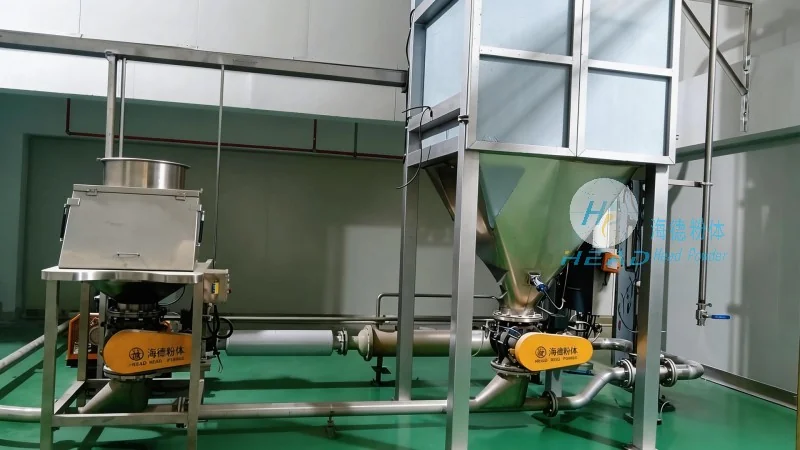
The effectiveness of pneumatic conveying for PP pellets is significantly influenced by the specific working scene characteristics, which vary based on the industry and application. One key characteristic is the material's physical properties, such as particle size, shape, and moisture content. PP pellets are typically cylindrical or spherical with a uniform size, which facilitates smooth flow in the pipeline. However, variations in particle size can lead to uneven flow and potential blockages if not properly managed. Moisture content is another critical factor, as excessive moisture can cause the pellets to clump together, reducing their flowability and potentially damaging the conveying system. Therefore, proper drying and moisture control are essential before the material is conveyed. The operating environment also plays a role, as some applications may require dust control measures to comply with environmental regulations. Pneumatic conveying systems can be designed with dust collection and filtration systems to minimize emissions and maintain a clean working environment. Another important characteristic is the distance and layout of the conveying system. For short-distance applications, such as moving pellets from a hopper to a processing machine, a simple pressure system with a straight pipeline may suffice. However, for longer distances or complex layouts with multiple turns and elevations, more advanced systems with air boosters or vacuum pumps may be required to maintain the pressure differential and prevent material settling. The destination of the PP pellets also influences the system design. For example, if the pellets are being transported to a storage silo or a blending unit, the receiver must be designed to handle the material flow and prevent backflow. In some cases, the system may need to integrate with other equipment, such as a mixer or a dryer, to ensure the material is delivered in the correct condition for the next process step. The control and monitoring of the conveying system are also critical working scene characteristics. Modern pneumatic conveying systems often include sensors and control panels that monitor parameters such as air pressure, material flow rate, and pipeline pressure. These systems allow for real-time adjustments to maintain optimal performance and prevent issues like blockages or air leaks. Additionally, the system's integration with the overall production line is important, as it must coordinate with other equipment to ensure smooth operation and minimize downtime. The maintenance requirements of the pneumatic conveying system are another key aspect of working scene characteristics. Regular maintenance, such as cleaning the pipeline, replacing filters, and checking for wear and tear on components, is necessary to ensure the system operates efficiently and has a long service life. Proper maintenance can also help prevent costly breakdowns and ensure consistent material flow. In summary, the working scene characteristics of pneumatic conveying for PP pellets encompass a range of factors that impact the system's design, operation, and performance. By understanding these characteristics and selecting the appropriate system configuration, industries can achieve efficient and reliable material handling for PP pellets, enhancing overall production efficiency and reducing operational costs.
Applications and Benefits of Pneumatic Conveying for PP Pellets
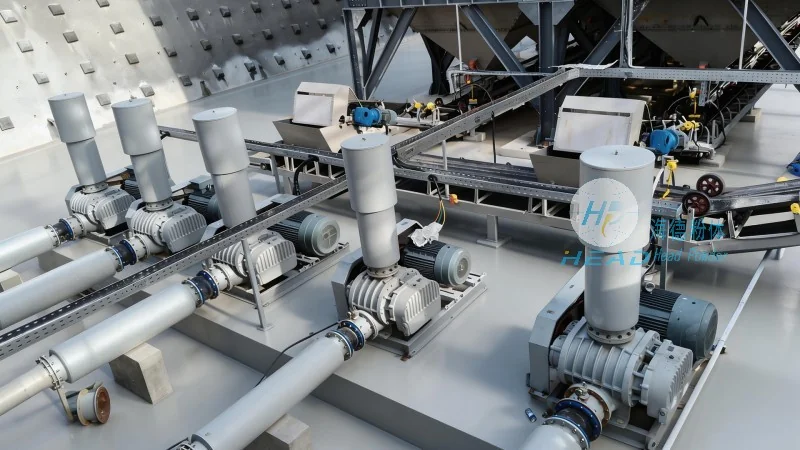
Pneumatic conveying for PP pellets finds applications in various industries, including plastics manufacturing, food processing, and chemical production. In the plastics industry, PP pellets are commonly used in the production of injection-molded parts, extruded products, and blow-molded containers. Pneumatic conveying is particularly useful in these applications because it allows for the seamless transfer of PP pellets from storage to processing equipment, such as extruders or injection molding machines. This reduces the need for manual handling and minimizes the risk of material contamination. The benefits of pneumatic conveying for PP pellets extend beyond material handling efficiency. One significant advantage is the reduction in labor costs, as the system automates the material transport process. This also improves workplace safety by eliminating the need for workers to handle heavy or bulky PP pellets manually. Another benefit is the ability to maintain a clean and controlled environment, which is crucial for industries where product quality and hygiene are paramount. Pneumatic conveying systems can be designed with enclosed pipelines and filtration systems to prevent dust and debris from entering the workspace, ensuring a safe and healthy environment for employees. Additionally, the system's flexibility allows for easy integration with existing production lines, making it a cost-effective solution for upgrading or expanding material handling capabilities. The efficiency of pneumatic conveying also contributes to energy savings. By optimizing the air velocity and pipeline design, the system can minimize energy consumption while maintaining high material throughput. This is particularly important for large-scale operations where energy costs can significantly impact overall production costs. Furthermore, the system's ability to handle a wide range of material volumes and flow rates makes it suitable for both small and large-scale production environments. In summary, the applications and benefits of pneumatic conveying for PP pellets highlight its importance in modern industrial operations. By leveraging the principles of pneumatic conveying and understanding the working scene characteristics, industries can achieve efficient, safe, and cost-effective material handling for PP pellets, supporting their production goals and operational success.