

Principles and Working Scene Characteristics of Wheat Bran Material Pneumatic Conveying
HeadPowder, formally known as Shandong HeadPowder Engineering Co., Ltd., is a professional engineering company based in Shandong, China. The company specializes in the design, manufacturing, and installation of pneumatic conveying systems tailored for various industrial applications, including the handling of wheat bran and other bulk materials.
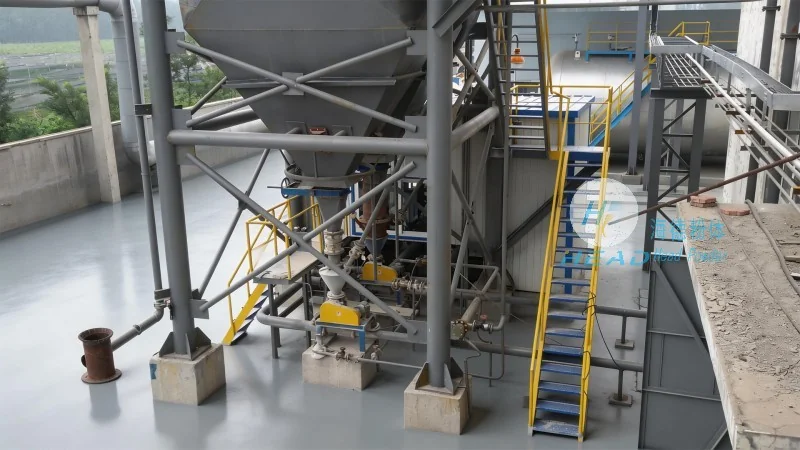
Principles of Pneumatic Conveying for Wheat Bran
Pneumatic conveying is a method of transporting bulk materials like wheat bran by using a stream of air. The process typically involves creating a pressure differential or utilizing vacuum to move the material through a pipeline. There are two main types of pneumatic conveying systems: suction (or vacuum) systems and pressure systems. Suction systems are commonly used for short-distance and low-pressure applications, where the material is drawn into the system by a vacuum created by a fan or blower. Pressure systems, on the other hand, use compressed air to push the material through the pipeline, often suitable for longer distances and higher material loads. For wheat bran, which is a fine, lightweight powder, the choice of system depends on factors such as the material's flowability, moisture content, and the required conveying distance. The key principle is to maintain a consistent air velocity to prevent material settling or blockages in the pipeline. HeadPowder's systems are engineered to optimize air flow and material transport, ensuring efficient and reliable operation for wheat bran handling.
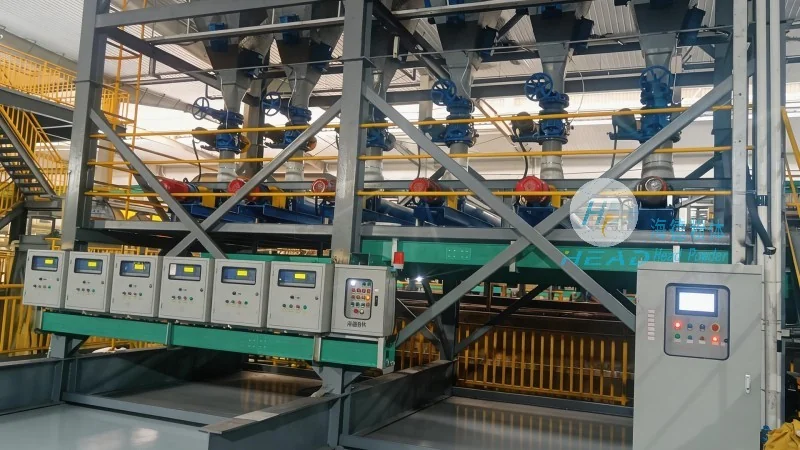
Working Scene Characteristics of Wheat Bran Pneumatic Conveying
The application of pneumatic conveying for wheat bran in industrial settings presents several distinct characteristics that influence system design and performance. One primary characteristic is the need for high hygiene standards, as wheat bran is often used in food and feed production. Therefore, the conveying system must be constructed from materials that are easy to clean and resistant to corrosion, such as stainless steel. Another characteristic is the material's fine particle size and low bulk density, which can lead to issues like dust generation and clogging if not managed properly. HeadPowder's systems incorporate features like air filtration and cyclone separators to minimize dust and prevent blockages, ensuring smooth operation. Additionally, the system's scalability is a critical factor, as wheat bran production volumes can vary significantly. The company's modular design allows for easy expansion or reduction of the conveying capacity to meet changing production needs. In terms of energy efficiency, pneumatic conveying is generally more energy-intensive than mechanical conveying, but modern systems from HeadPowder are optimized to minimize energy consumption while maintaining high throughput. Overall, the working scene characteristics highlight the importance of a well-designed pneumatic conveying system that balances efficiency, hygiene, and reliability for wheat bran handling.
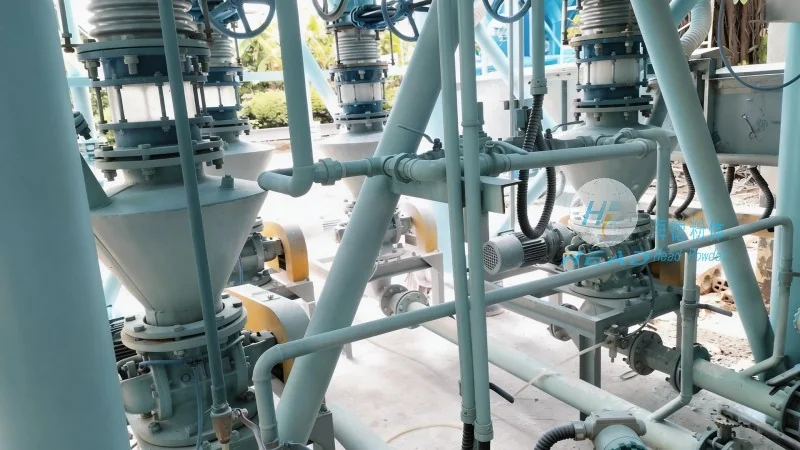
HeadPowder's Wheat Bran Pneumatic Conveying Solutions
HeadPowder offers comprehensive pneumatic conveying solutions specifically tailored for the transportation of wheat bran. The company's systems are designed to address the unique challenges associated with handling this material, such as its fine particle size and potential for dust accumulation. Key components of the system include high-efficiency fans or blowers, stainless steel pipelines, and advanced control systems that regulate air flow and material transport. The suction-type systems are particularly effective for short-distance conveying from storage silos to processing units, while pressure systems are ideal for longer distances or when multiple destinations are required. The modular design of HeadPowder's systems allows for customization based on the customer's specific requirements, including conveying capacity, pipeline layout, and integration with existing production lines. The company's engineering team works closely with clients to assess their operational needs and recommend the most suitable system configuration. For example, in a food processing facility, the system may be integrated with dust collection equipment to ensure compliance with environmental regulations. In a feed production plant, the system can be designed to handle higher material loads and maintain consistent moisture levels. HeadPowder's commitment to quality and customer satisfaction is reflected in the durability and reliability of their pneumatic conveying systems, which are built to withstand the demands of continuous operation in industrial environments.