

Principle and Working Scene Characteristics of Concrete Material Pneumatic Conveying Systems
Concrete material pneumatic conveying systems represent a sophisticated technology designed to transport bulk materials like concrete mixtures efficiently and reliably. The core principle of these systems revolves around the use of air as the conveying medium, which can be either positive pressure (blowing air into the material to push it forward) or negative pressure (sucking air out to draw the material along). For concrete materials, which are typically abrasive and have specific flow characteristics, specialized equipment and control mechanisms are essential to ensure smooth operation and prevent system damage.
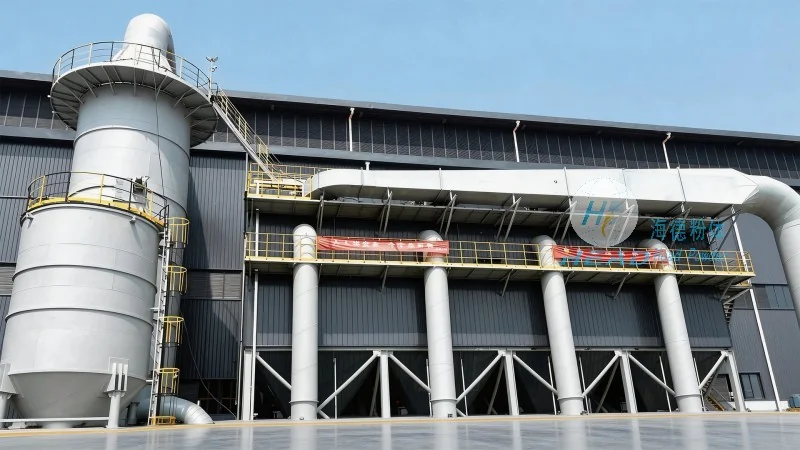
Principle of Pneumatic Conveying for Concrete Materials
The fundamental principle of pneumatic conveying for concrete materials is to create a flow of air that can transport the solid particles through a pipeline. In positive pressure systems, a blower or compressor generates high-pressure air that is introduced into the material, causing it to become fluidized and move along the pipeline. This method is particularly effective for transporting dry or semi-dry concrete mixtures, as it can handle materials with higher moisture content without clogging. Conversely, negative pressure systems use a vacuum to draw the material into the pipeline, which is often preferred for applications where dust control is critical or when the material needs to be transported over longer distances without significant pressure loss.
Key components of a concrete material pneumatic conveying system include the material hopper, which stores the concrete, the air supply unit (blower or vacuum pump), the conveying pipeline, and the discharge hopper where the material is deposited. The system operates by first loading the concrete into the hopper, then activating the air supply to initiate the conveying process. As air flows through the pipeline, it carries the concrete particles forward, maintaining a consistent flow rate that is controlled by the system's pressure and flow rate settings. This continuous operation allows for seamless material transfer from the storage area to the point of use, such as in a concrete batching plant or construction site.
Working Scene Characteristics of Concrete Material Pneumatic Conveying Systems
The working scene characteristics of concrete material pneumatic conveying systems are defined by their adaptability to various industrial and construction environments. These systems are commonly employed in concrete production facilities, where they facilitate the transport of raw materials like cement, sand, and gravel from storage silos to the mixing plant. The ability to handle abrasive concrete materials without causing wear and tear on the equipment makes these systems ideal for high-volume production settings.
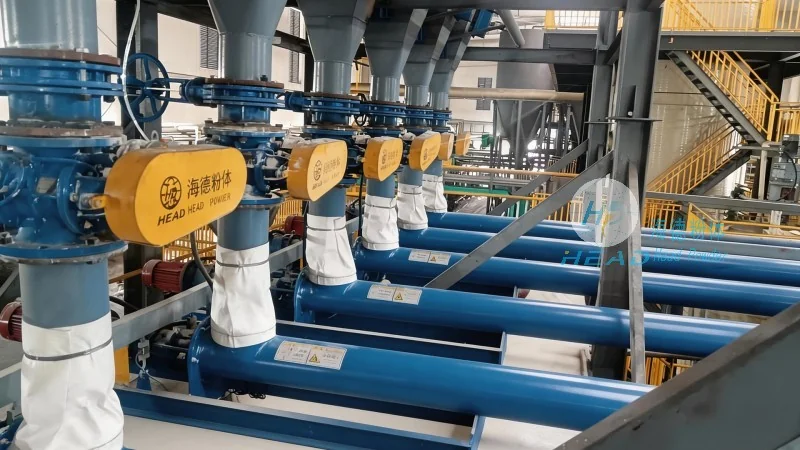
In construction sites, pneumatic conveying systems are used to transport concrete mixtures from a central batching plant to the job site, eliminating the need for manual handling or traditional truck transport. This not only improves efficiency but also enhances safety by reducing the risk of accidents associated with heavy lifting and material handling. The systems are also suitable for applications where space is limited, as the pipeline can be installed vertically or horizontally to fit within the available layout, making them a flexible solution for confined work areas.
Another key characteristic is the system's ability to maintain material quality and consistency. By controlling the air flow and pressure, the system ensures that the concrete mixture is transported without segregation or degradation, which is crucial for maintaining the desired strength and performance of the final concrete product. This is particularly important in applications where the concrete is used for structural purposes, as any variation in composition can affect the overall integrity of the structure.
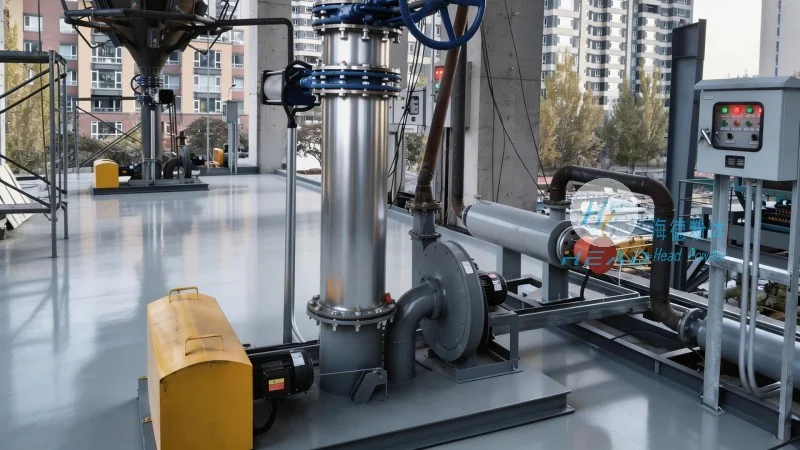
Advantages and Considerations in Concrete Material Pneumatic Conveying
Concrete material pneumatic conveying systems offer several advantages over traditional transport methods, including reduced labor costs, improved safety, and increased efficiency. The automated nature of these systems minimizes the need for manual labor, which reduces the risk of injuries and improves productivity. Additionally, the enclosed pipeline design helps to contain dust and prevent environmental contamination, which is a significant benefit in industrial settings.
However, there are also considerations to keep in mind when implementing such systems. The initial investment cost can be higher compared to traditional methods, and the maintenance requirements may be more complex due to the specialized equipment involved. Furthermore, the system's performance is highly dependent on the characteristics of the concrete material, such as its moisture content, particle size, and abrasiveness. Proper system design and regular maintenance are essential to ensure optimal performance and longevity.
Shandong HeadPowder Engineering Co., Ltd., a leading provider of pneumatic conveying solutions, specializes in designing and manufacturing concrete material conveying systems tailored to the specific needs of clients. With a focus on innovation and quality, the company ensures that its systems meet the highest standards of efficiency and reliability. Based in Shandong, China, HeadPowder has extensive experience in serving the construction and concrete industry, providing comprehensive solutions that enhance operational efficiency and product quality.